
Plants
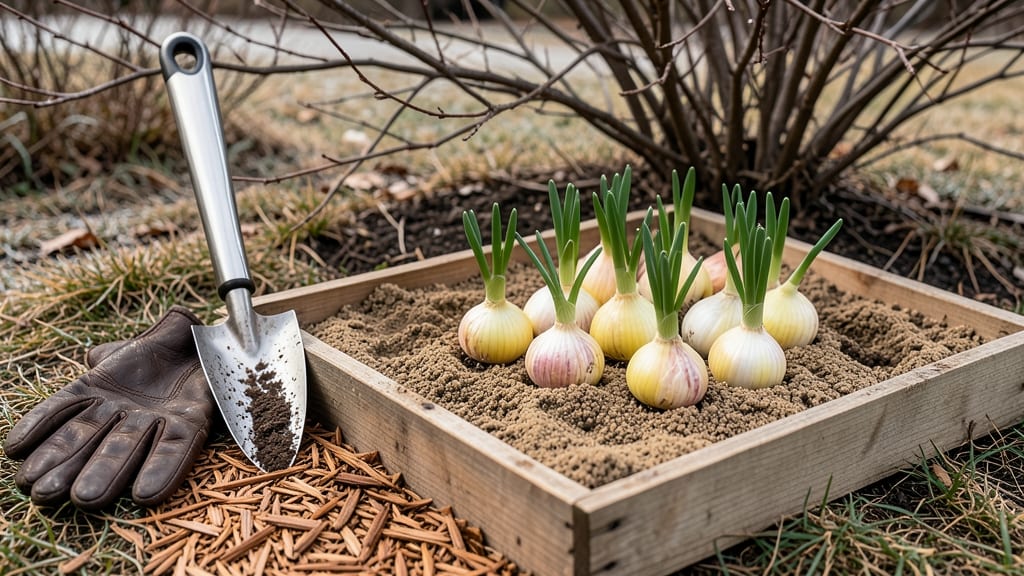
Planting daffodils in Massachusetts isn’t just about grabbing bulbs and sticking them in the ground—it’s about timing them perfectly to beat the first frost and ensure those cheerful 🌼 blooms burst through next spring.
The 5b-6b zone gives you a narrow window between October and November, but getting it wrong means soggy bulbs or wasted money.
Here’s the secret: the key is planting when soil temps hit 40-50°F, usually around early October for inland areas and a little later near the coast. Too early, and your bulbs might rot; too late, and they won’t establish roots before winter sets in.
I’ve learned the hard way—skipping this step can turn your fall prep into a spring disappointment.
Don’t stress, though. I’ll walk you through the exact dates for Boston, Worcester, and Cape Cod, plus pro tips to protect your bulbs from heaving and pests. Whether you’re a first-time gardener or a seasoned green thumb, these tricks will help you plant with confidence—and watch those daffodils thrive.
Ready to master the fall planting window? Let’s dive into the science and strategies that’ll have your garden bursting with color by April. You’ll never second-guess your timing again!
Massachusetts daffodil planting calendar: exact fall dates by region
Massachusetts’ 5b-6b hardiness zones create microclimates where a week can mean the difference between thriving daffodils and wasted bulbs. Coastal areas like Cape Cod stay milder longer, while inland spots like Worcester freeze earlier. I’ve planted in both—here’s the breakdown you need to nail your timing.
For Boston and Eastern MA, aim for early to mid-October (October 1-15) when soil temps hit 50°F. The average first frost arrives October 15, so planting 4-6 weeks before gives roots time to establish.
In Worcester and Western MA, shift to late September (September 25-October 5) since frost often hits by October 10.
Cape Cod’s cooler coastal climate delays frost until late October, so wait until October 15-30. Pro tip: Check your local USDA frost map—some Cape towns like Provincetown can be 2 weeks later than Hyannis.
I once planted in early October on the Cape and lost half my bulbs to soggy soil.
Here’s your region-specific planting window with frost-free survival strategies:
Don’t panic if you miss the ideal window—late fall planting (December) still works in Massachusetts, but use extra mulch (4-6") and plant bulbs deeper (6-8") to insulate them. I’ve had success planting as late as December 1 in protected microclimates near south-facing walls.
For early fall planting (September), only attempt it if your soil stays above 55°F consistently. Test with a soil thermometer—warm soil speeds root growth but also increases rot risk. I recommend waiting until at least September 20 for most of the state.
Regional variations matter more than you think. For example, North Shore towns like Gloucester freeze earlier than South Shore areas like Plymouth. Check your town’s last frost date (typically April 15) and count backward—planting 6-8 weeks before ensures roots establish before winter.
One trick I swear by? Plant test bulbs a week early in one spot and normal timing in another. This lets you compare which thrives better in your microclimate. Mark the locations with stakes so you remember next year!
Remember: soil temperature trumps calendar dates. A warm September might mean you can plant early, while a chilly October could push you into November. Always check 6" below soil level—that’s where your bulbs will be rooting.
🌼
How to time daffodil planting for zero-frost bulb survival
Daffodils thrive when planted in Massachusetts’ fall chill, but getting the timing right means the difference between vibrant blooms and wasted bulbs. The secret isn’t just about dates—it’s about soil temperature, moisture balance, and protecting those bulbs from winter’s worst.
I’ve lost count of the times I’ve watched daffodils fail because of one small misstep in this process.
First, aim to plant when soil temps hit 40-50°F—this is your sweet spot for root growth before dormancy. Use a soil thermometer to check 6” below the surface.
If it’s warmer than 50°F, roots grow too fast and rot; if colder than 40°F, they won’t establish before frost. I test mine every morning at dawn for accuracy.
Moisture is just as critical. Daffodil bulbs need consistent dampness but hate soggy conditions. After planting, water deeply to settle the soil, then let it drain. Overwatering in fall can lead to rot, while underwatering stresses roots.
Aim for moderate moisture—think of a well-wrung sponge. Mulch with 3-4 inches of straw or shredded leaves to insulate and retain moisture.
Here’s my 3-step checklist for post-planting care to prevent heaving (when bulbs push up through frozen soil) and ensure spring emergence:
-
Step 1: Mulch Thickly
Apply 3-4 inches of organic mulch (straw, leaves) after planting. This insulates bulbs from temperature swings and prevents heaving. Avoid pine needles—they acidify soil over time. -
Step 2: Water Deeply (Then Wait)
Water once after planting to settle soil, then let nature take over. Overwatering in winter leads to rot. Snow cover is your friend—it adds natural insulation. -
Step 3: Mark Planting Spots
Use biodegradable markers or stakes to note where bulbs went. This prevents accidental digging in spring and helps you track which varieties thrive in your microclimate.
One common mistake? Skipping the soil prep step. Daffodils love well-draining soil with a pH of 6.5-7.0. Amend heavy clay with compost or sand to prevent waterlogging. I’ve seen bulbs rot in compacted soil even when planted at the perfect time.
Test your soil’s drainage by digging a hole, filling it with water, and timing how long it takes to drain—ideal is 4-6 hours.
For extra protection in harsh winters, plant bulbs deeper (6-8 inches) in sandy soil or use bulb cages to deter voles. I’ve buried mine under a thick layer of leaves in exposed areas, and they’ve emerged just fine. The key is giving those bulbs a stable, insulated environment until spring.
Don’t forget: spring emergence depends on fall prep. If you follow these steps, your daffodils will push through snow and frost to greet you with bright blooms by April. I’ve seen gardens where bulbs planted in October emerge in March—it’s magical when it works!
🌱