
Plants
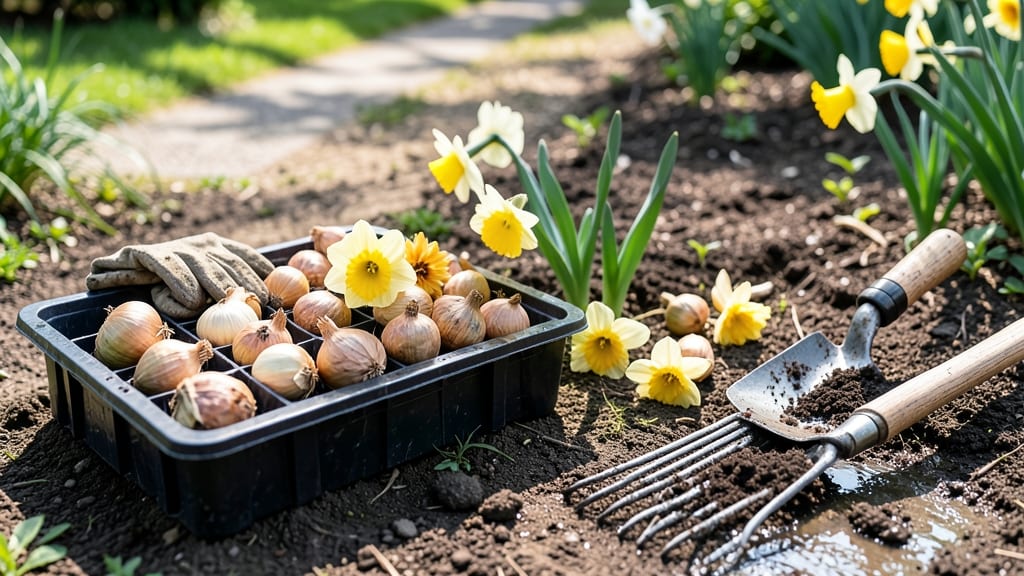
Planting daffodils at the wrong time in North Carolina can mean the difference between a garden bursting with cheerful 🌼 blooms and a missed opportunity for spring color.
The key isn't just throwing bulbs into the ground—it's understanding your specific USDA zone and when frost will arrive, because those factors change dramatically from the mountains to the coast.
If you're in zones 6a-8b, timing matters more than you might think. Too early, and your bulbs could rot; too late, and they won't establish strong roots before winter. I've learned the hard way that October-November is your sweet spot, but local microclimates can shift that window by weeks.
What you'll discover here is exactly when to plant in your corner of NC—plus soil prep tips that make all the difference.
Whether you're a first-time gardener or a seasoned pro, these zone-specific strategies will help you avoid common mistakes and get those bright yellow and white blooms popping up right on schedule.
Ready to transform your garden? Let's dive into the perfect planting calendar tailored just for North Carolina's unique climate—so you can enjoy daffodils that thrive year after year.
North Carolina daffodil planting calendar by USDA Zone (with frost date maps)
North Carolina’s diverse climate zones (7a-8b) mean your daffodil planting window can vary by 6 weeks—from the cooler mountains to the milder coastal plain. Planting too early risks rot, while waiting too late can leave bulbs vulnerable to winter freeze-thaw cycles.
The secret? Timing your bulbs to root before soil temps drop below 60°F.
Use this zone-specific calendar to pinpoint your ideal planting window, factoring in local frost dates and soil conditions. For example, in Zone 7a (Asheville), aim for mid-October, while Zone 8b (Wilmington) can wait until early December.
Always plant 4-6 weeks before ground freeze—this gives roots time to establish.
| USDA Zone | Avg Last Frost | Ideal Planting Window | Soil Temp Requirement | Depth | Spacing |
|---|---|---|---|---|---|
| 7a (Asheville, Boone) | November 15 | Mid-October to early November | 60-65°F (15-18°C) | 6 inches | 4-6 inches apart |
| 7b (Raleigh, Greensboro) | November 25 | Late October to mid-November | 60-65°F (15-18°C) | 6 inches | 4-6 inches apart |
| 8a (Charlotte, Fayetteville) | December 10 | Late November to early December | 55-60°F (13-15°C) | 6 inches | 4-6 inches apart |
| 8b (Wilmington, Outer Banks) | December 20 | Early December | 50-55°F (10-13°C) | 6 inches | 4-6 inches apart |
📍 High-Risk Frost Zones: Mountain areas (7a) need earlier planting; coastal zones (8b) can plant later.
Your soil temperature is the ultimate deciding factor. Use a soil thermometer to confirm it’s above 50°F (10°C)—this ensures bulbs won’t rot before roots establish. In Zone 7a, soil often drops below this by mid-November, while Zone 8b may stay warm until January.
For high-altitude gardens (e.g., Blue Ridge Mountains), prioritize early October planting to beat the first frost. Add a 2-3 inch mulch layer of straw or leaves to insulate bulbs during freeze-thaw cycles.
In coastal zones, where winters are milder, you can plant as late as January, but aim for December for best results.
Pro tip: Pre-chill bulbs for 4-6 weeks in your fridge (35-40°F) if planting outside the ideal window. This mimics natural dormancy and helps bulbs establish roots faster. Store them in a paper bag (not plastic) to prevent moisture buildup.
If you miss the fall window, spring planting is possible but risky—bulbs may not flower the first year. For spring planting, use smaller bulbs (size 12 or smaller) and plant as soon as soil is workable (typically February-March). Water deeply to compensate for the shorter rooting period.
Check your local NC State Climate Office for historical frost dates—some years, a late frost can delay planting by 2-3 weeks. For example, Asheville (Zone 7a) saw a late frost on November 20, 2020, pushing ideal planting to early October that year.
Always have a backup plan for high-risk areas.
After planting, mark your daffodil beds with biodegradable flags to avoid disturbing them in spring. In Zone 8b, where winters are mild, you can even plant tender varieties like 'Paperwhite' in late winter for early spring blooms. Just ensure they’re in well-draining soil to prevent rot.
🌼 Key Takeaway: Plant daffodils when soil temps are 50-65°F, 4-6 weeks before frost, and always in well-draining soil. Use the table above to find your zone’s exact window—and happy planting!
5 Critical signs your NC daffodil planting timing is wrong (and how to fix it)
Even experienced gardeners in North Carolina sometimes misjudge daffodil planting timing. The most common mistake? Planting too early in September when soil temperatures are still warm, causing bulbs to rot before winter.
I’ve seen this happen in Zone 7b gardens where gardeners rush to get bulbs in the ground before the first frost.
Another red flag is planting too late—after the ground freezes in December. Daffodils need 4-6 weeks of cool soil temperatures to establish roots before winter dormancy. If you miss this window, your bulbs may not bloom at all the following spring.
Here’s how to spot these timing mistakes before it’s too late—and how to correct them for a vibrant spring display.
Soggy Soil at Planting
If your soil feels damp or muddy when planting in October-November, you’ve waited too long. Daffodils need well-draining soil to prevent rot. Fix it: Plant in raised beds or amend soil with compost to improve drainage.
Bulbs Planting Too Shallow
Daffodils planted less than 6 inches deep in Zone 6a may heave out of the ground during freeze-thaw cycles. Fix it: Dig a trench and plant bulbs at 6-8 inches deep for mountain regions or 4-6 inches in coastal areas.
No Root Growth Before Frost
If you plant in late November and the ground freezes within weeks, bulbs won’t establish roots. Fix it: Use a soil thermometer—plant when soil temps hit 50-60°F. In Zone 8b, this could mean planting as late as December.
Fungal Growth on Bulbs
Black, mushy bulbs after planting? You planted in wet soil or used bulbs stored in high humidity. Fix it: Store bulbs in a cool, dry place (50-60°F) before planting, and avoid planting after heavy rains.
No Sprouts by Early Spring
If your garden stays frost-free but no green shoots appear by March, bulbs may have rotted or been planted too deep. Fix it: Next season, plant bulbs shallower in well-drained soil and mulch with 2-3 inches of straw after planting.
Pro tip: Use a frost risk calculator (like the one from the NC State Extension) to adjust your planting window. For example, in Asheville (Zone 6b), aim for October 15-November 1, while in Wilmington (Zone 8a), you can plant as late as December 1.
Remember, daffodils are forgiving, but timing makes all the difference. With these fixes, you’ll be well on your way to a garden bursting with bright yellow and white blooms come spring. 🌼