
Plants
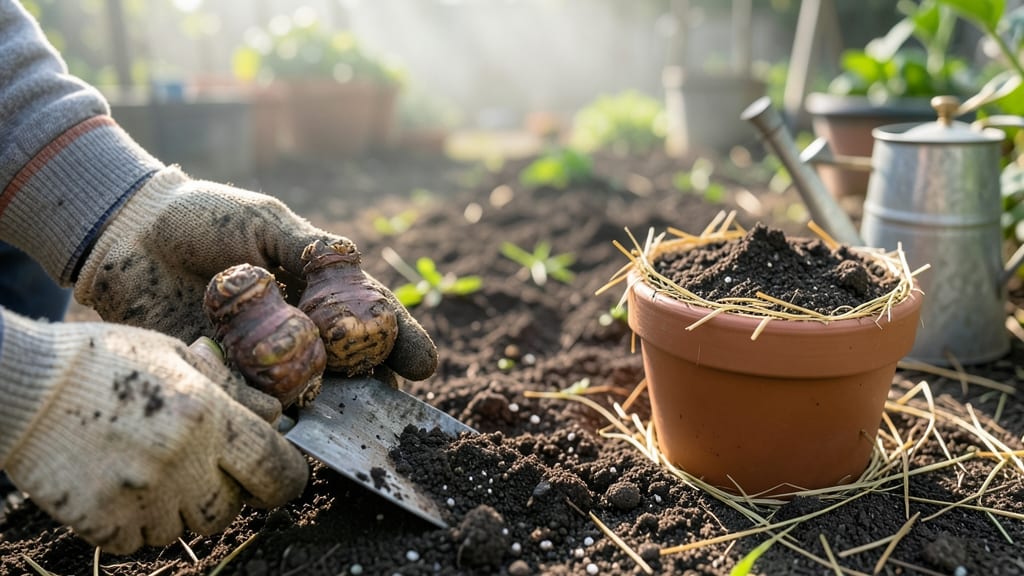
Planting dahlias in Kansas at the wrong time means either freezing tubers or missing out on those showstopping 🌼 blooms all summer.
The key window—April 15 to May 15—aligns perfectly with Kansas' 5b-7a zones after the last frost, but getting it right takes more than just a calendar check.
Most gardeners assume "spring" means "as soon as the soil looks dry," but dahlias need warmth to thrive. Tubers planted too early in chilly soil rot, while late planting delays blooms until July—cutting your viewing window short.
I’ve learned the hard way that soil temperature matters just as much as frost dates.
What if you’re new to dahlias? Don’t worry—this guide breaks down exactly when to plant tubers (not seeds), how to prep your soil for Kansas’ clay-heavy ground, and even what to do if you miss the window.
You’ll walk away knowing the 3 critical deadlines every Kansas gardener should mark on their calendar.
Ready to grow dahlias that bloom from July to October? Let’s dive into the timing secrets that’ll make your garden the talk of the neighborhood—and keep those 🌼 flowers coming all season long.
Kansas heat zone deadlines for dahlias: when to plant by region
Kansas’ USDA zones 5b-7a mean your dahlia planting window is tight—just 6-8 weeks between last frost and peak summer heat. Missing this window risks frost damage or stunted growth. Let’s break down the exact deadlines by region to ensure your 🌼 dahlias thrive.
Most of Kansas experiences its average last frost between April 15-30, but timing varies by city. For example, Wichita (Zone 7a) typically warms up faster than Topeka (Zone 6a), giving gardeners in the south a 2-week head start.
Planting too early risks tuber rot from lingering cold, while waiting too long cuts bloom time.
Soil temperature is your best guide—wait until the ground reaches 60°F (15°C) at 6 inches deep. A soil thermometer is worth the investment! In Kansas City (Zone 6b), this usually aligns with mid-May, while Hays (Zone 6a) may need to wait until late May.
🌱 Kansas Dahlia Planting Deadlines by Region
| Region | USDA Zone | Last Frost Date | Planting Window | Soil Temp Goal |
|---|---|---|---|---|
| Southwest KS (e.g., Dodge City) | 7a | April 15-20 | April 25 - May 10 | 60°F (15°C) |
| Wichita, Salina | 6b-7a | April 20-25 | May 1 - May 15 | 60°F (15°C) |
| Kansas City, Topeka | 6a-6b | April 25-May 5 | May 10 - May 25 | 60°F (15°C) |
| Northeast KS (e.g., Emporia) | 5b-6a | May 5-15 | May 20 - June 1 | 60°F (15°C) |
*Deadlines based on 30-year averages; check local forecasts for real-time adjustments.
For container gardening, you can push your window 2 weeks earlier by using heat mats or planting in black plastic pots to warm soil faster.
However, tubers must never sit in cold, wet soil—this causes rot. If you’re unsure, harden off your tubers indoors under grow lights until soil warms.
Pro tip: Mark your calendar for June 1—this is your absolute deadline for planting dahlia tubers in most of Kansas. After this, your plants won’t have enough time to establish roots before summer’s 100°F+ heat sets in. Late plantings often result in leggy, weak stems and fewer blooms.
If you’re starting from seed (not tubers), begin indoors 8-10 weeks before your last frost date. For Kansas, this means mid-February to early March. Seedlings are far less hardy than tubers, so transplant carefully after all frost risk has passed.
Use row covers for extra protection if late frosts linger.
Don’t forget: Dahlias are tender perennials—they’ll die back in frost, so dig up tubers before first frost (usually October 15 in Kansas). Store them in dry peat moss at 40-50°F (4-10°C) until next spring. This overwintering step ensures you can replant the same varieties year after year.
For extended bloom time, deadhead spent flowers weekly and fertilize with a balanced 5-10-10 mix every 4-6 weeks. In Kansas’ hot summers, mulch with 2-3 inches of straw to retain moisture and keep roots cool.
With the right timing, your 🌼 dahlias will reward you with colorful blooms from July through October.
How to prepare dahlias for Kansas planting: tubers, soil, and hardening off
Prepping dahlias for Kansas’ unpredictable spring weather starts with the tubers—not just popping them in the ground. I’ve found that soaking and cutting tubers the right way gives them a head start, while amending clay-heavy soil prevents rot. Skipping these steps means slower growth or worse, failed blooms by summer.
First, choose healthy tubers with 2-3 eyes (growth points) and no soft spots. Store them in a cool, dark place (like a garage) until planting. If you’re cutting tubers, use a sterilized knife to separate pieces, ensuring each has at least one eye.
Let cuts dry for 1-2 hours before planting to prevent rot in Kansas’ damp springs.
Now for the soil: Dahlias hate soggy roots, so mix compost or aged manure into your garden bed to improve drainage. Kansas’ clay soil can become compacted—add perlite or sand if your soil feels heavy when squeezed.
Aim for pH 6.0-7.0; test kits cost $10 and save you from guessing.
Step-by-Step Dahlia Prep for Kansas
- Soak tubers in lukewarm water for 6-12 hours to kickstart growth.
- Cut tubers if needed, ensuring each piece has 1-2 eyes and a 1-inch stem.
- Dust cuts with cinnamon or fungicide to prevent rot.
- Hardening off: Place potted tubers outside for 3-5 days before final planting.
- Plant tubers 4-6 inches deep, 12-15 inches apart in well-draining soil.
Hardening off is often overlooked but critical in Kansas. Start by placing potted tubers in a shady spot outdoors for 3-5 days, gradually moving them to morning sun.
This toughens young shoots so they don’t wilt when transplanted. I’ve seen dahlias planted without hardening off struggle in Kansas’ hot afternoons, even if the soil is perfect.
After planting, mulch heavily with straw or shredded leaves to retain moisture and regulate soil temperature. Kansas’ temperature swings can stress new plants, so mulch acts as a buffer. Water deeply but infrequently—dahlias hate wet feet but need consistent moisture during root establishment.
Pro tip: If your last frost date slips past May 1, don’t panic. Use frost blankets for the first week to protect tender shoots. I’ve extended my planting window by 2 weeks this way, ensuring blooms by July instead of August. The key is patience and prep—not rushing.