
Plants
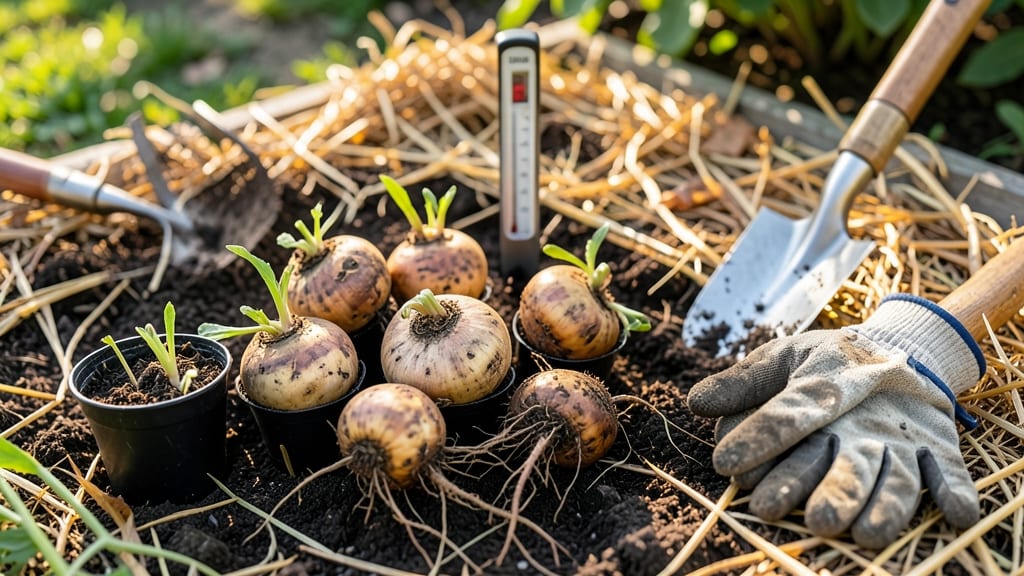
Timing matters more than you think when you're planting dahlias in Pennsylvania—get it wrong, and you could end up with wilted tubers or missed blooms. These stunning 🌸 flowers thrive best when planted after the last frost, typically between mid-April and mid-May, but there's more to it than just dates.
Pennsylvania's climate varies from zone 5b to 7a, meaning soil temperatures and frost patterns can shift dramatically even within the same state. The key is waiting until the ground warms to at least 60°F—that's when your dahlias will finally take off and reward you with those showstopping blooms.
If you're wondering whether to start tubers indoors or plant directly outdoors, I'll break down the best approach for your specific zone. Plus, I'll share how to prep your soil and protect your plants from late frosts that could sneak up on you.
Let's dive into the exact steps to ensure your dahlias get the perfect start—because in Pennsylvania, getting this right means the difference between a garden full of color and a season of disappointment.
Best planting timeline for dahlias in Pennsylvania by hardiness zones
Pennsylvania’s USDA Zones 5b-7a create a diverse climate where dahlia planting timing varies by region. The key factor? Soil temperature—dahlias thrive when soil reaches 55°F+, typically 4-6 weeks after last frost.
In northern PA (Zone 5b), this usually means late May, while southern PA (Zone 7a) gardeners can plant as early as mid-April.
Use your local last frost date as a starting point, then wait for consistent daytime highs of 60°F+. Cold soil slows tuber growth, leading to stunted plants or blackened tubers. For container dahlias, you can plant 2 weeks earlier since pots warm faster than ground soil.
Here’s how to align your dahlia planting schedule with Pennsylvania’s climate zones:
| Zone | Last Frost Date | Ideal Planting Window | Soil Temp Threshold | Notes |
|---|---|---|---|---|
| 5b (Pittsburgh, Erie) | May 1-15 | May 20-June 1 | 55°F+ | Use row covers if late frost risk |
| 6a (Harrisburg, State College) | April 20-May 5 | May 10-20 | 58°F+ | Start tubers indoors in March |
| 7a (Philadelphia, Reading) | April 1-15 | April 15-May 1 | 60°F+ | Earliest zone for direct planting |
For extra insurance, test soil temperature with a soil thermometer—dahlias won’t grow well below 55°F. In Zone 5b, consider chitting tubers indoors in late March to jumpstart growth. This method involves placing tubers near a bright window (not direct sunlight) to encourage sprout development before transplanting.
If you miss the ideal window, don’t panic! Late plantings can still succeed with row covers or black plastic mulch to warm soil. Just expect smaller blooms or a shorter flowering season.
For container dahlias, extend your season by 2-3 weeks—pots absorb heat faster and can be moved to sheltered spots at night.
Pro tip: Mark your calendar for October 15, Pennsylvania’s average first frost date. This helps you plan for digging and storing tubers before cold snaps. In Zone 7a, you might get 1-2 extra weeks of blooms, but Zone 5b gardeners should prioritize tuber protection by early October.
Remember, dahlias are hungry plants—they need rich soil and consistent watering to reward you with bold blooms. Once planted, focus on mulching to retain moisture and deadheading to encourage continuous flowering through October.
For maximum blooms, align your planting date with your last frost date and soil temperature. In Pennsylvania, this means late April to early June, depending on your zone.
With the right timing, your dahlias will thrive all summer long—just like my Zone 6a garden does every year! 🌸
How to Prepare dahlias for Pennsylvania’s climate before planting
Preparing dahlias for Pennsylvania’s unpredictable spring weather starts months before you even plant. Since dahlias are tender tubers, they need special care to survive late frosts and cool soils. The key is chitting tubers indoors and conditioning the soil to create the perfect environment for their roots.
Begin by selecting high-quality tuberous roots from a reputable nursery. Look for firm, plump tubers with multiple eye buds—these are your plant’s future growth points. Avoid any tubers that appear shriveled or mushy, as these may rot or fail to sprout.
Chitting is a game-changer for Pennsylvania gardeners. Place your tubers in a bright, cool spot (60-65°F) with the eyes facing upward. Within 2-4 weeks, you’ll see tiny green sprouts emerge, signaling they’re ready for planting. This head start ensures your dahlias won’t waste energy once they’re in the ground.
Pre-Planting Checklist for Dahlias
- ☑️ Chit tubers indoors 4-6 weeks before last frost
- ☑️ Test soil pH (aim for 6.5-7.0) and amend with compost
- ☑️ Choose a sunny spot with 6+ hours of direct sunlight
- ☑️ Pre-warm soil using black plastic mulch or row covers
- ☑️ Prepare planting holes with aged compost and bone meal
Pennsylvania’s cool, damp springs can delay planting, so focus on soil preparation first. Dahlias thrive in well-draining, nutrient-rich soil. Mix in 2-3 inches of compost or aged manure and a handful of bone meal (for phosphorus) to encourage strong root and flower development.
If your garden bed stays too cold or wet after the last frost, consider using container gardening. Large pots (12+ inches deep) filled with a lightweight potting mix let you control soil temperature and drainage.
Just ensure containers have drainage holes to prevent root rot—a common issue in Pennsylvania’s humid summers.
For extra protection against late frosts, use frost blankets or row covers until nighttime temperatures consistently stay above 50°F. Remove covers during the day to avoid overheating. With these steps, your dahlias will emerge strong and bloom beautifully from mid-summer to frost.