
Trees
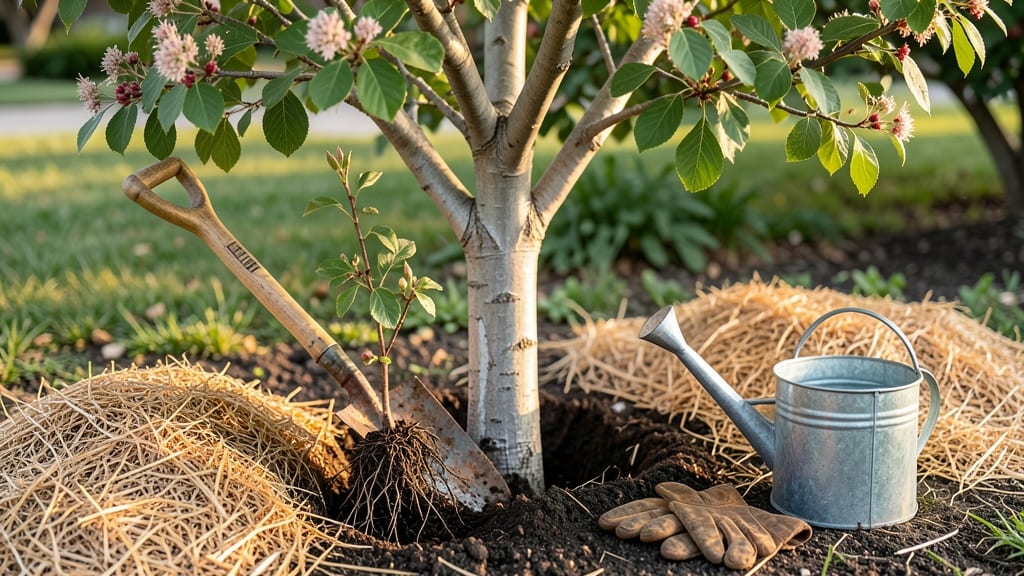
Planting your Dogwood Tree 🌳 in Texas at the wrong time could turn your dream shade tree into a battle against the heat—especially when those 100°F summers arrive. The key to success? Getting those roots established during the cooler months when the ground stays moist and the stress is minimal.
Most gardeners in Texas know timing matters, but the best window depends on where you live. Whether you're in North Texas where frost lingers into March or South Texas where the ground stays warm longer, I'll break down the exact months that give your dogwood the strongest start.
No more guessing—just science-backed advice tailored to your heat zone.
You’ll also discover how to prep your soil, when to water, and which dogwood varieties thrive best in Texas’ extremes. Let’s get your tree off to the right start so it grows into that beautiful, shade-providing centerpiece you’ve been dreaming of.
Ready to plant with confidence? The next few months are your chance to set your dogwood up for years of vibrant blooms and healthy growth—without the stress of summer heat or winter freezes getting in the way.
Best planting months for dogwood trees in Texas by heat zone
Texas' diverse climate means dogwood trees thrive best when planted during cooler months—but the exact timing depends on your USDA heat zone. North Texas (zones 7a-8a) has harder winters, while South Texas (zones 8b-10a) faces intense summer heat.
Planting outside these windows risks heat stress or frost damage.
For North Texas (7a-8a), aim for November through early March—after the last fall heatwave but before spring blooms. In Central Texas (8b-9a), stretch your window to October through April, avoiding summer's scorching temps.
South Texas (zones 9b-10a) can plant as late as April, but fall remains ideal.
Dogwoods need 6-8 weeks to establish roots before summer arrives. Planting too late means shallow roots that can't handle 100°F+ heat. Conversely, planting too early exposes young trees to winter freezes, stunting growth.
Here’s how Texas’ 8 heat zones break down for dogwood planting:
| Heat Zone | Best Planting Window | Avoid Planting | Key Risk |
|---|---|---|---|
| 7a (North Texas) | November 15 – February 15 | April–October | Spring frost or summer drought |
| 7b–8a (Panhandle) | November 1 – March 1 | May–September | Late frosts or extreme heat |
| 8b (Central Texas) | October 15 – April 15 | June–August | Summer heat stress |
| 9a (East Texas) | September 15 – March 31 | May–July | Humidity + heat combo |
| 9b–10a (South Texas) | October 1 – April 30 | June–August | Prolonged drought |
In North Texas (7a-8a), I always plant by December 1 to avoid winter freezes. For South Texas (9b-10a), I extend planting to early April—but only if I’ve mulched heavily to retain moisture. The key is soil temperature: aim for 50–65°F at planting time.
Dogwoods planted in fall (September–November) benefit from cool roots and spring blooms the following year. Spring plantings (February–March) still work but require extra watering to combat early summer heat. Avoid summer planting—dogwoods hate transplant shock during 100°F+ temps.
Pro tip: Check your local frost dates (e.g., North Texas averages last frost February 15, while South Texas sees it by January 1). Plant 4–6 weeks before your area’s last frost to give roots time to harden off before spring warmth arrives.
For container-grown dogwoods, timing is slightly flexible—you can plant up to April 15 in most of Texas—but bare-root trees need cooler soil, so stick to fall or early winter. Always water deeply after planting to eliminate air pockets in the soil.
Remember: Texas dogwoods need 6–8 weeks of consistent moisture post-planting. If you miss the ideal window, fall is the next best option—just mulch 3–4 inches deep to protect roots from summer heat.
Best planting months for dogwood trees in Texas by heat zone
Texas stretches across 8 USDA heat zones, from the chilly 7a of the Panhandle to the balmy 10b of South Texas. Your dogwood’s planting window shifts dramatically depending on where you live.
In North Texas (7a-8a), where frosts can linger until mid-March, aim for November through February to avoid winter stress. Meanwhile, in South Texas (9a-10b), you’ve got until early March before summer’s brutal heat arrives.
Why does this matter? Dogwood roots need consistent moisture and cool soil temperatures to establish. Planting in Texas summers means battling 100°F+ soil and drought stress, which can kill young trees before they even take root.
The goal? Get those roots down 6-12 inches deep before the heat kicks in.
🌱 Pro Tip: Check your local last frost date—North Texas averages February 15, while South Texas sees January 1. Plant 4-6 weeks before your typical last frost for best results.
🌡️ Texas Heat Zone Planting Guide for Dogwood Trees
| Heat Zone | Best Planting Window | Soil Temp Goal (°F) | Key Consideration |
|---|---|---|---|
| 7a (Panhandle) | November 1 - February 15 | 45-60°F | Avoid winter freezes; mulch heavily |
| 8a (North/Central) | November 15 - March 1 | 50-65°F | Watch for late frosts; protect young trees |
| 9a (East/Central) | December 1 - March 15 | 55-70°F | Longer growing season; plant early |
| 10a (South) | January 1 - March 15 | 60-75°F | Heat arrives fast; prioritize shade |
💡 Note: Container-grown dogwoods can handle slightly later planting (up to April in cooler zones) since their roots stay cooler.
If you’re in East Texas (8b-9a), where humidity spikes early, focus on December through February to avoid fungal diseases that thrive in wet conditions.
In West Texas (8a-9a), where drought is the bigger enemy, plant in late fall (November) to give roots time to establish before summer’s dry spell hits.
One common mistake? Planting in April or May. By then, the soil is often too hot, and dogwoods struggle to adapt. Instead, I recommend late winter when the ground is cool but not frozen. This gives your tree 6-8 weeks of ideal conditions before the heat ramps up.
For container-grown dogwoods, you’ve got a bit more flexibility—up to early April in cooler zones—but bare-root trees need that cooler soil. Always check the root ball before planting: if it feels warm to the touch, wait a few weeks.