
Plants
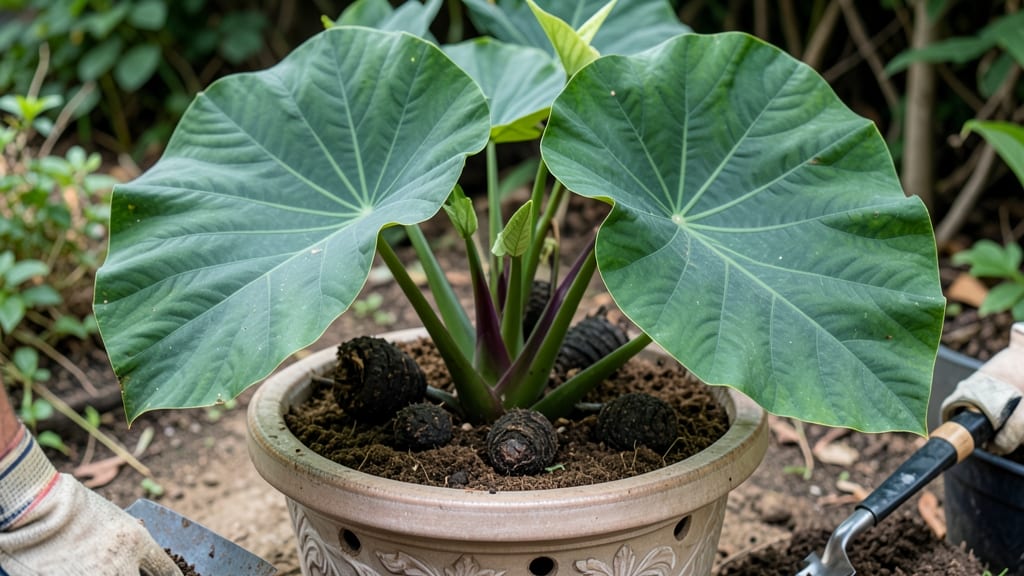
Planting elephant ear bulbs in pots at the wrong time can leave you staring at sad, wilted leaves instead of those dramatic 🌿 foliage statements you crave. The key to success? Timing it right—whether you're in Zone 6 or a warmer climate—so your tropical beauty thrives all season.
For most gardeners in Zone 6, the perfect window opens after your last frost date—typically mid-April—but tropical varieties need a different approach. Containers actually give you more flexibility than in-ground planting, but soil warmth and drainage become your new best friends.
I’ll walk you through exactly when to plant based on your microclimate, plus container-specific tips to avoid the 3 biggest mistakes that kill potted elephant ears. Spoiler: It’s not just about the calendar—soil prep and sunlight matter just as much.
Ready to grow elephant ears that steal the show? Let’s break down the ideal schedule, from frost-free dates to post-planting care that keeps your foliage lush and vibrant.
Optimal planting windows for elephant ear bulbs in pots by climate Zone
Elephant ear bulbs (Colocasia spp.) thrive in containers when planted at the right time—too early risks frost damage, while too late stunts growth before summer’s peak. Since these tropical beauties need warm soil to sprout, timing depends on your USDA zone and microclimate.
For most gardeners in Zones 7-11, the sweet spot is 2-4 weeks after your last frost date, but let’s break it down by region to avoid common mistakes.
In Zones 7-9, aim for mid-April to early May—when nighttime temps stay above 50°F (10°C). Warmer zones (10-11) can plant as early as February to March, but protect pots from cold snaps with frost cloth.
Pro tip: Use a soil thermometer—bulbs need soil at 60°F (15°C) or warmer to wake up and grow.
For tropical varieties (like Colocasia gigantea), you can even plant in late summer (August-September) to enjoy foliage through fall. These heat-lovers tolerate high humidity and intense sunlight, making them perfect for container gardens in Zone 10+.
Just ensure pots have drainage holes to prevent root rot in monsoon seasons.
Here’s the key rule: Wait until soil warms—cold pots delay sprouting, and soggy bulbs rot. If your spring is unpredictable, pre-warm pots by placing them in a sunny spot for 1-2 weeks before planting. This mimics the tropical conditions these bulbs crave.
Elephant Ear Planting Windows by USDA Zone
| Zone | Ideal Planting Month | Soil Temp Requirement | Container Prep Tip |
|---|---|---|---|
| 7-8 | Mid-April to May | 60°F+ (15°C+) | Use black pots to absorb heat |
| 9 | March to April | 55°F+ (13°C+) | Add mulch to retain warmth |
| 10-11 | February or August-Sept | 50°F+ (10°C+) | Choose lightweight pots for heat |
*Tropical varieties can handle late summer plantings for fall color.
If you’re in a cooler microclimate (like a high-elevation Zone 7), delay planting until after Memorial Day—even if your neighbors start earlier. Cold nights slow growth, and potted bulbs are more vulnerable than in-ground plants.
For extra insurance, plant in larger pots (12"+ diameter) to give roots room to warm up faster.
Another pro move: Soak bulbs overnight in lukewarm water before planting. This jumpstarts hydration and speeds up sprouting by 3-5 days. Just don’t overdo it—damp bulbs left in water rot. Drain them well and plant within 24 hours of soaking.
For container-specific timing, note that pots heat up faster than garden beds—especially dark-colored containers. If your area has late frosts, place pots on brick or gravel to insulate roots.
Conversely, in Zone 10+, shade pots during peak afternoon sun to prevent soil from overheating above 85°F (29°C).
Finally, watch for shoots—they’ll emerge in 2-4 weeks if conditions are right. If nothing appears after 6 weeks, your bulbs may be dormant or rotting. Adjust your watering (keep soil moist but not soggy) and sun exposure (partial shade helps in hot zones).
With the right timing, your potted elephant ears will reward you with bold, elephant-ear-sized leaves by early summer—perfect for container gardens, patios, or even indoor winter displays in cooler zones. 🌿
How to extend the growing season for potted elephant ears (and avoid common mistakes)
Extending your elephant ear's growing season in pots is all about strategic timing and container prep. Unlike in-ground plants, potted elephant ears can't rely on soil warmth from the earth, so you’ll need to pre-warm bulbs and protect roots during temperature swings.
I’ve learned the hard way that skipping these steps leads to stunted growth or even bulb rot—so let’s fix that.
Start by planting bulbs 4-6 weeks before your last frost date in cooler zones. This gives roots time to establish before soil temperatures rise. For tropical varieties (like Alocasia), delay until after Memorial Day when nights stay above 55°F.
Containers warm up faster than ground soil, so monitor bottom heat with a soil thermometer.
Here’s the biggest mistake I see: gardeners rush planting in spring without acclimating bulbs. Cold soil shocks roots, halting growth. To avoid this, soak bulbs in lukewarm water for 24 hours before planting, then let them sit in a 60°F+ environment for a week.
This mimics natural soil warming and jumpstarts growth.
⚠️ Callout Warning
3 Mistakes Killing Your Potted Elephant Ears:
- Planting too early – Cold soil stalls roots (wait for 60°F+ soil temps).
- Skipping drainage – Waterlogged pots rot bulbs (use perforated containers).
- Overwatering after planting – Bulbs need dryness to root; wait 7-10 days.
🌱 Pro Tip: Elevate pots on feet or bricks to improve air circulation and drainage.
For overwintering in Zones 6-8, move pots to a garage or shed when temps drop below 40°F. Keep soil slightly moist (not soggy) and reduce watering to every 3-4 weeks.
In Zones 9-11, tropical varieties can stay outside year-round if protected from freezing winds with burlap wraps or frost cloth.
Don’t forget light adjustments! Elephant ears need bright indirect light in winter. Place pots near south-facing windows or supplement with grow lights for 12 hours/day. I’ve seen plants revert to dormancy when light drops below 4 hours/day—so keep them happy with extra brightness.
By following these steps, your potted elephant ears will thrive year-round, avoiding the 3 deadly mistakes that derail most gardeners. Start with warm soil, proper drainage, and light management, and you’ll enjoy those show-stopping leaves for seasons to come. 🌿