
Plants
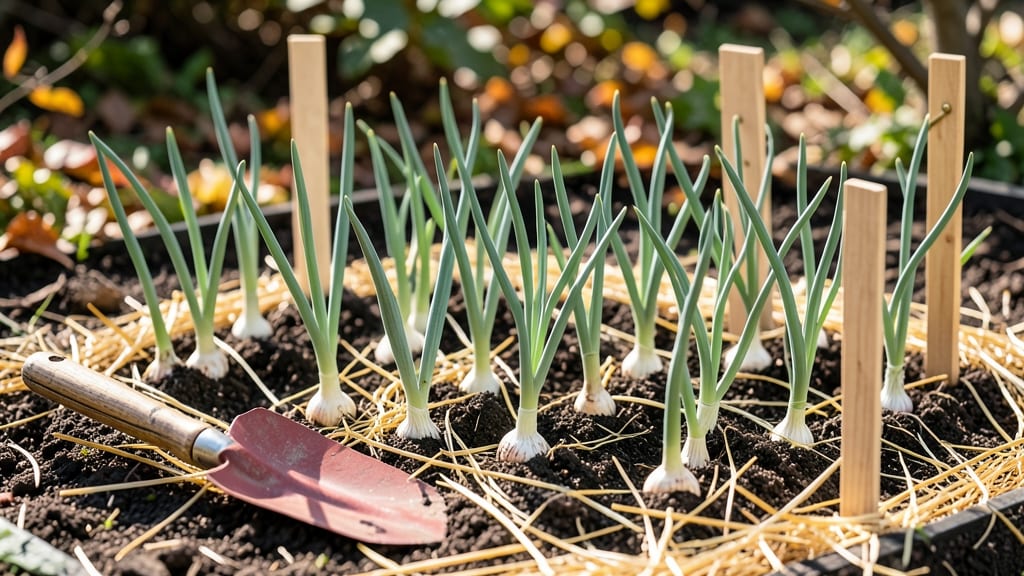
Planting fall onions in Zone 7 at the wrong time could mean the difference between a bumper crop of sweet 🧅 bulbs and a disappointing harvest—or worse, no onions at all.
The key isn't just when you plant, but whether you're using seeds or sets, since timing shifts dramatically between the two.
Most gardeners in Zone 7a-7b wait until late summer to early fall, but the exact window depends on your last frost date and whether you're starting with tiny sets or seeds.
Get it right, and you'll enjoy fresh onions all winter; get it wrong, and you might end up with stunted bulbs or wasted effort.
I’ll walk you through the exact planting schedule for both seeds and sets, plus how to adjust for your specific microclimate—whether you're in Raleigh’s humid summers or Nashville’s hotter inland conditions. No more guessing games, just proven strategies for Zone 7 success.
Ready to grow onions that actually store well? Let’s break down the best planting windows, soil prep secrets, and how to protect your crop from early frosts—so you can harvest plump bulbs next spring.
Best planting windows for fall onions in Zone 7: seed vs set timing
Timing is everything when planting fall onions in Zone 7. The key is to plant them early enough for bulbs to mature before winter, but not so early that they bolt (go to seed) in the heat.
For Zone 7, this means a 4-6 week window before your first frost date—typically mid-August to early September for most locations.
Your choice between seeds and sets (small bulbs) changes the ideal timing. Seeds need more time to grow, while sets mature faster. Understanding these differences helps you avoid bitter, undersized bulbs or wasted effort.
Here’s the breakdown: seeds take 60-90 days to mature, while sets need 90-120 days. In Zone 7, this translates to planting seeds by late July and sets by early to mid-August for a harvest the following spring.
| Planting Method | Ideal Planting Window (Zone 7) | Days to Maturity | Soil Temperature Threshold |
|---|---|---|---|
| Seeds | Late July to early August | 60-90 days | 50-60°F |
| Sets | Early to mid-August | 90-120 days | 45-55°F |
*Adjust dates 1-2 weeks earlier for inland areas (e.g., Nashville) and later for coastal regions (e.g., Wilmington).
Soil temperature is a critical factor for success. Fall onions thrive when soil temps drop below 80°F but stay above 45°F. Planting too early in hot soil can stunt growth, while waiting too long risks frost before bulbs mature.
For Zone 7a (colder microclimates), aim for mid-August planting. In Zone 7b (warmer), you can push to early September. Use a soil thermometer to confirm temps before planting—this small tool saves you from guesswork.
Another pro tip: Direct-seed onions in well-draining soil enriched with compost. Sets can be planted slightly deeper (1 inch) than seeds (½ inch) to stabilize them in wind or rain. Space seeds 1 inch apart and sets 2-3 inches apart for optimal bulb development.
If you’re unsure about your frost date, check your local USDA Zone 7 records or use a frost calendar for your city. For example, Raleigh’s first frost is typically November 15, while Nashville’s is November 5. Adjust your timeline accordingly.
Remember, fall onions are a two-year crop. Planting in late summer ensures they’ll overwinter, then produce bulbs the following spring. Skipping this step means missing out on a low-maintenance, high-yield harvest with minimal effort.
For gardeners in Zone 7, the August window is your golden opportunity. Don’t wait until September—soil cools faster then, and bulbs may not mature before frost. Plan ahead, and you’ll enjoy fresh onions straight from your garden next spring! 🌱
How to adjust planting for Zone 7’s microclimates and frost patterns
Zone 7’s climate isn’t uniform—whether you’re in humid Raleigh, hotter Nashville, or coastal Wilmington, microclimates can shift your ideal planting window by weeks. The key is understanding how early frosts, late summer heat, and local topography affect your onions.
For example, inland areas like Nashville often see frosts 2 weeks earlier than coastal spots like Wilmington, so adjust your timeline accordingly.
Start by checking your local frost dates. Most Zone 7 gardeners experience their first frost between November 5-15, but this can vary by 10-14 days depending on elevation and proximity to water.
Use a frost calendar or ask your local Cooperative Extension office for precise data—this small step prevents wasted effort.
If you’re in a warmer microclimate (like Zone 7b), you can push planting to early September for sets, but seeds must go in by mid-August. In cooler areas (like Zone 7a), shift everything 1-2 weeks earlier to avoid frost.
A soil thermometer ($10 at garden centers) is your best friend—plant when temps drop to 60°F for seeds or 55°F for sets.
⚠️ Zone 7 Frost Risk Alert
Planting too late in Zone 7 risks frost damage before bulbs mature. Here’s how to avoid it:
- Use row covers if temps drop below 35°F—they add 4-6°F of protection.
- Avoid mulching too early—wait until soil cools to 60°F to prevent rot.
- Choose fast-maturing varieties (like Texas Early White) if your frost date is early.
🌡️ Pro Tip: Monitor your local National Weather Service alerts for unexpected cold snaps.
For coastal gardeners, humidity and slower soil cooling mean you can plant 1-2 weeks later than inland areas. However, watch for salt spray near shorelines—it can stress young plants. If your garden is near water, raise beds slightly to improve drainage and reduce salt buildup.
Another trick: Succession planting in Zone 7. If you have a long enough season, plant a small batch of seeds in late July and another in early August to stagger your harvest. This ensures you always have fresh green onions or mature bulbs available, even if frost hits early.
Finally, don’t overlook soil preparation. Amend your beds with compost and a balanced fertilizer (5-10-10) before planting. Well-draining soil is critical—waterlogged conditions lead to rot, especially in Zone 7’s wetter fall months.
Test your soil’s pH (aim for 6.0-7.0) and adjust with lime or sulfur if needed.
With these adjustments, you’ll beat Zone 7’s frost patterns and enjoy plump, storage-friendly onions next spring. The secret? Know your microclimate, time your planting, and protect your crop when needed. Happy growing! 🌱