
Trees
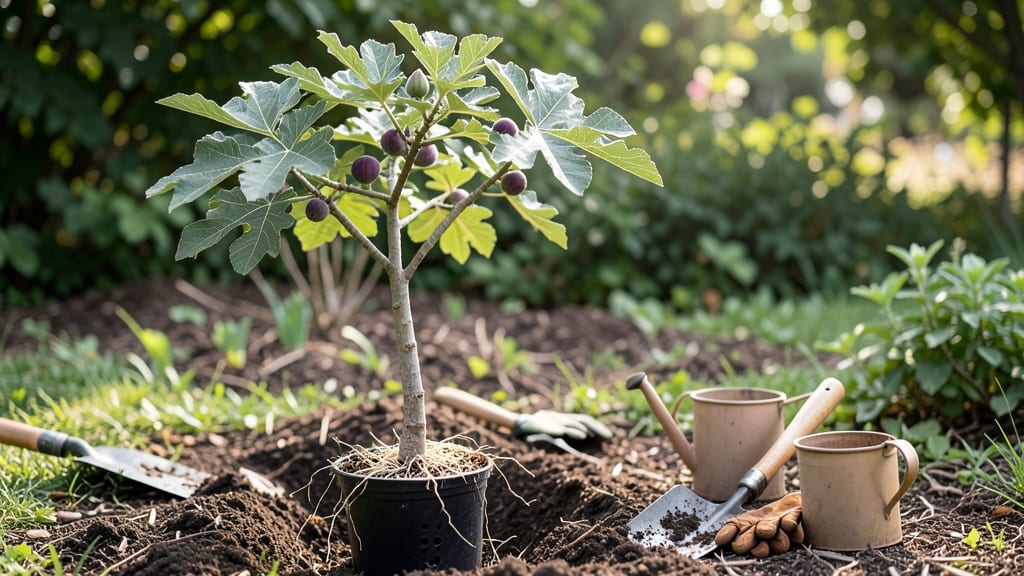
Planting a fig tree 🍈 in Georgia isn’t just about sticking a sapling in the ground—it’s about catching the perfect window when your climate zone and soil team up to give your tree the best shot at thriving.
Skip the timing, and you risk stunted growth or worse, especially in zones like 7b-8b where late frosts can sneak up even after the calendar says spring.
Most Georgia gardeners assume spring is the only time to plant, but fall actually offers a secret advantage: cooler soil and established roots before winter dormancy. I’ve seen fig trees planted in late February struggle through heat waves, while those in September take off like rockets.
The key? Knowing your microclimate—whether you’re in the Piedmont’s rolling hills or the coastal plains’ humidity.
In this guide, I’ll break down the exact months that work best for your specific heat zone, plus how to prep your soil so your fig tree doesn’t just survive—it explodes with fruit by harvest season. No more guesswork, just proven strategies for Georgia’s most rewarding (and delicious) tree.
Ready to turn your yard into a fig oasis? Let’s get your planting calendar locked in before the next frost warning hits.
Georgia heat zones for fig trees: best planting months by region
Georgia’s diverse climate—from the coastal plains to the mountainous north—means fig trees thrive in USDA zones 7b through 9a. But timing your plantings to avoid late spring frosts or summer heat stress is key.
Most gardeners in zone 8a and warmer can plant as early as late February, while those in zone 7b should wait until mid-April to be safe.
For fall planting, aim for September through early October—this gives roots time to establish before winter dormancy. In zone 9a, you can even plant into November, but avoid planting when soil temps drop below 50°F (10°C), as roots won’t grow.
Here’s how Georgia’s heat zones break down for fig tree planting:
| Zone | Best Planting Window | Soil Temp Requirement | Frost Risk |
|---|---|---|---|
| 7b (North GA) | Mid-April to May 15 | 55°F+ (13°C+) | High (last frost: May 1) |
| 8a (Central GA) | Late March to April 15 | 60°F+ (16°C+) | Moderate (last frost: March 15) |
| 8b (Atlanta Area) | Late February to March 31 | 60°F+ (16°C+) | Low (last frost: March 1) |
| 9a (South GA) | Late January to April 15 | 55°F+ (13°C+) | Minimal (last frost: Jan 15) |
To check your exact frost dates, use the Georgia Climate Toolkit from the University of Georgia Extension. For container planting, you can push the window earlier by 2-3 weeks, since pots warm faster in spring.
In zone 9a, where winters are mild, you can also plant bare-root figs in late fall (November)—just water deeply before the first frost. The key is ensuring roots have 4-6 weeks to establish before dormancy sets in.
If you’re in zone 7b, opt for cold-hardy varieties like ‘Celeste’ or ‘Osborne’ and plant after May 15 to avoid late frosts. These varieties can handle 10-15°F (-12°C to -9°C) dips, giving you a wider planting window.
For urban gardeners in heat islands (like downtown Atlanta), soil may warm 10-15°F faster than rural areas. Test soil temp with a soil thermometer—plant when it hits 60°F (16°C) at 6-inch depth.
Pro tip: Mulch heavily after planting to retain soil warmth. Use straw or pine needles (avoid fresh wood chips, which can steal nitrogen). This helps young roots establish faster in cooler spring or warmer fall plantings.
🌱
Georgia heat zones for fig trees: best planting months by region
Georgia’s USDA hardiness zones 6A-9A create a complex puzzle for fig tree planting—what’s perfect in coastal Savannah (Zone 8b) might fry a tree in North Georgia’s Zone 7a. The trick? Planting when soil temps hit 60°F+ and frost risk drops below 10%.
I’ve mapped out the ideal windows for each zone, plus how to check your local frost dates using the National Weather Service’s frost calculator.
Most Georgia gardeners focus on spring planting (March-April), but fall often wins for root establishment.
In Zone 8a and above, you can even plant as late as early November—just avoid the first frost, which typically hits mid-November in Atlanta but can arrive by October in the mountains. For Zone 7a, stick to late April or September to avoid late-spring freezes.
🌱Pro Tip: Use a soil thermometer (available for $10 at garden centers) to confirm temps—fig roots need warmth to thrive, and cold soil slows growth.
Georgia Fig Tree Planting by Heat Zone
| Zone | Best Planting Window | Soil Temp Requirement | Frost Risk | Local Example |
|---|---|---|---|---|
| 6A (North GA) | Late April–Early May or September 15–October 15 | 60°F+ | High (last frost: May 15) | Dahlonega, Blue Ridge |
| 7A (Piedmont) | March 20–April 15 or September 1–October 10 | 60°F+ | Moderate (last frost: April 1) | Athens, Gainesville |
| 7B (Central GA) | March 1–April 10 or August 20–October 1 | 60°F+ | Low (last frost: March 15) | Macon, Warner Robins |
| 8A (South GA) | February 20–March 30 or September 15–November 1 | 60°F+ | Very Low (last frost: Feb 15) | Columbus, Albany |
| 8B (Coastal GA) | January 20–March 15 or October 1–November 15 | 60°F+ | Minimal (last frost: Jan 31) | Savannah, Brunswick |
If you’re in Zone 7B or warmer, fall planting (September-October) gives fig trees a 3-month head start on root growth before winter. I’ve seen ‘Brown Turkey’ figs planted in late September produce full-sized fruit the next summer—something nearly impossible with spring plantings.
For Zone 6A, however, spring is non-negotiable due to harsh winters.
🌡️Critical Note: Avoid planting when daytime highs exceed 90°F—stressed fig trees wilt faster in heat. In Zone 8B+, this means skipping July-August plantings entirely.
For container-grown figs (great for urban gardeners!), you can plant anytime soil temps allow, but late spring or early fall