
Flowers
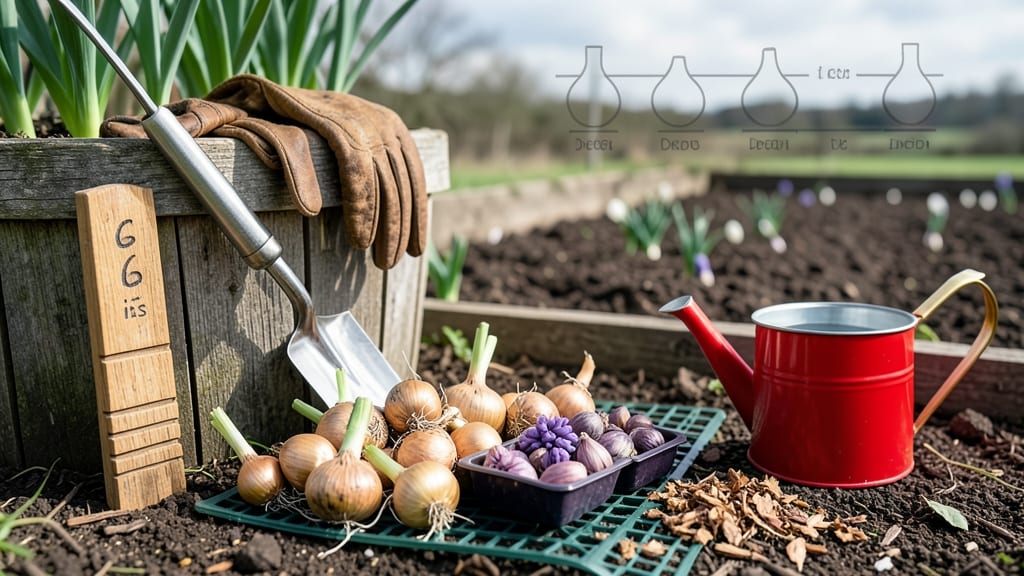
Planting flower bulbs 🌷 in spring might seem straightforward, but timing it right makes all the difference between a vibrant garden and disappointment. The key isn’t just waiting for warm weather—it’s understanding when the soil is workable and the frost threat has passed in your zone.
For most gardeners in Zone 6a, like me, the perfect window opens in early spring—typically after your last frost date, which for many falls around mid-April.
But here’s the catch: rushing too early can leave bulbs vulnerable to cold snaps, while waiting too long might delay those showstopping blooms you’re dreaming of.
What if I told you there’s a science-backed way to boost your bulbs’ success? Aligning planting with moon phases can strengthen roots and encourage healthier growth. Let’s break down the exact timing and secrets to make your flower bulbs thrive this season.
Whether you’re planting tulips, daffodils, or hyacinths, these tips will help you avoid common mistakes and get the most out of your spring garden. Ready to dig in?
Optimal moon phases for planting flower bulbs in spring
Planting flower bulbs in spring isn’t just about the calendar—it’s about harnessing the moon’s phases to give your bulbs a competitive edge. The moon’s gravitational pull influences soil moisture and root development, and aligning your planting with the right phase can mean stronger roots and more vibrant blooms.
For spring planting, focus on the waxing moon (the period between the new moon and full moon), as this phase encourages root growth, which is critical for bulbs.
Bulbs like tulips, daffodils, and hyacinths thrive when planted during the waxing crescent or first quarter phases. These phases boost water absorption and nutrient uptake, helping bulbs establish roots before the rush of spring growth.
Avoid planting during the waning moon (after the full moon), as this phase can lead to weaker root systems and less robust blooms.
Here’s the science behind it: during the waxing moon, the moon’s pull draws moisture upward, making it easier for bulbs to absorb water and nutrients. This is especially important in spring, when soil can be unevenly moist after winter.
Planting during this time gives your bulbs the best chance to thrive before the heat of summer sets in.
| Moon Phase | Best For | Planting Time | Bulb Types |
|---|---|---|---|
| Waxing Crescent | Root growth | Early spring (after last frost) | Tulips, Daffodils, Hyacinths |
| First Quarter | Strong roots | Mid-spring (soil warmed) | Crocus, Allium, Snowdrops |
| Full Moon | Bloom stimulation | Late spring (avoid if frost risk) | Lilies, Fritillaria |
| Waning Moon | Avoid planting | Not recommended | All bulbs |
If you’re planting in Zone 6 or warmer, aim for the waxing crescent phase in early spring (March-April). For cooler zones (like Zones 3-5), wait until the first quarter phase after the last frost date, usually late April or early May.
This timing ensures the soil is warm enough to support root development without the risk of a late frost.
Pro tip: Check a lunar planting calendar for your region to pinpoint the exact dates. Many gardeners swear by planting bulbs during the waxing moon’s root phase, which typically lasts about 7-8 days.
This short window is your best bet for maximizing root strength before the bulbs start pushing up shoots.
Don’t overlook the importance of soil temperature when aligning with moon phases. Even the best moon phase won’t help if the soil is too cold. Wait until the ground reaches at least 50°F (10°C)—a simple soil thermometer can save you from planting too early.
Combine warm soil with the right moon phase, and you’ll set your bulbs up for successful blooms.
For container gardening, the same moon phase rules apply, but you’ll need to monitor moisture more closely. Containers dry out faster, so water deeply after planting during the waxing moon to encourage root expansion. Mulch with straw or shredded leaves to retain moisture and protect bulbs from temperature swings.
One common mistake is planting bulbs during the full moon, thinking it’s ideal for blooms. While the full moon can stimulate flowering, it’s not the best time for root establishment. Save full-moon planting for transplanting or harvesting tasks, not for initial bulb planting.
Finally, if you miss the waxing moon window, don’t panic. Planting during the new moon is still better than waiting until the next waxing phase. Just be prepared to give your bulbs extra care—like consistent watering and protection from pests—to compensate for the less-than-ideal timing.
Spring planting timing by climate Zone: when to act
Spring bulb planting isn’t a one-size-fits-all task—your USDA climate zone dictates the perfect window. In Zone 6a, where I garden, we aim for early April after the last frost, typically around April 15.
But gardeners in Zone 3 might plant weeks earlier, while those in Zone 10 could start as late as February. The key is soil temperature: bulbs need 40-50°F soil to sprout safely.
For tulips and daffodils, the most popular spring bulbs, timing varies slightly. Tulips prefer cooler soil, so I plant mine in early spring (March-April), while daffodils, which are hardier, can handle slightly warmer soil and often bloom earlier.
Hyacinths, on the other hand, thrive when planted in late winter to early spring—just as the ground becomes workable.
Here’s the critical rule: Never plant when frost is forecasted. A late freeze can kill emerging shoots, leaving you with brown stems and no blooms. Use your local frost date as your guide—wait until at least 2 weeks after the last expected frost.
In my experience, rushing leads to disappointment, while patience rewards you with stronger, healthier plants.
| Zone | Ideal Planting Window | Soil Temp | Bulb Examples |
|---|---|---|---|
| 3-4 | Late March–Early April | 40-45°F | Tulips, Daffodils |
| 5-6 | Early–Mid April | 45-50°F | Hyacinths, Alliums |
| 7-8 | February–March | 50-55°F | Crocuses, Snowdrops |
| 9-10 | January–February | 55-60°F | Fritillaries, Grape Hyacinths |
If you’re unsure about your zone, check the USDA Plant Hardiness Zone Map—it’s a game-changer for timing. For example, gardeners in Zone 9 can plant as early as January, while those in Zone 4 might wait until May.
The goal is to plant when the ground is workable but not soggy. A simple soil thermometer ($10 at garden centers) ensures you’re planting at the perfect temperature.
Pro tip: Mark your calendar with your last frost date and add 2-3 weeks as a buffer. This gives bulbs time to establish roots before summer heat arrives.
I’ve learned the hard way—planting too late in Zone 6a often means bulbs struggle to bloom before the heat sets in. Timing is everything!
Finally, don’t overlook microclimates in your garden. A sunny, south-facing spot warms up faster than a shady corner, so adjust your planting schedule accordingly. For instance, I plant bulbs in my sunniest bed a week earlier than in my partially shaded area.
Small adjustments like this make a big difference in bloom success.