
Flowers
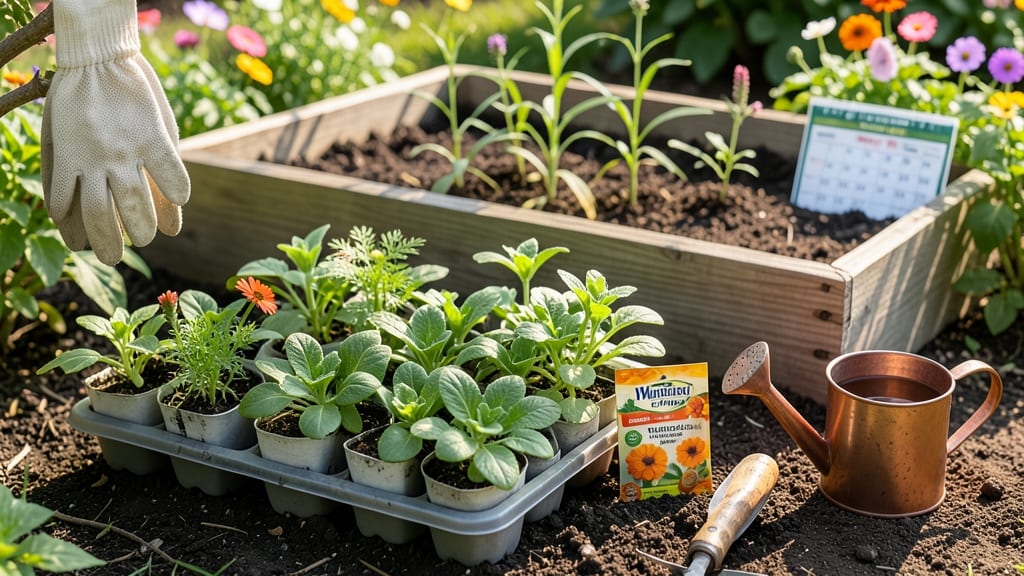
When to plant flower seeds in Michigan just right can mean the difference between a garden bursting with color and a season of empty soil. With last-frost dates shifting from mid-April in southern regions to early May in the Upper Peninsula, getting it wrong could leave your blooms waiting for warmer weather that never comes.
I’ve learned the hard way that Michigan’s hardiness zones 5-6 demand precision—whether you’re sowing cool-loving pansies in early spring or heat-tolerant zinnias in late summer.
The key isn’t just memorizing dates but understanding how soil temperature and microclimates (like urban heat islands vs. rural chill) tweak the perfect window for each variety.
In this guide, I’ll break down the exact planting schedule for your region, from frost-free probabilities to backup dates for finicky flowers. You’ll discover which seeds thrive when started indoors in March and which can wait for direct sowing after Memorial Day—plus how to adjust for Michigan’s infamous late frosts.
Ready to transform your garden into a year-round showstopper? Let’s dive into the science (and shortcuts) that’ll have your flower seeds sprouting with confidence, no matter where in the state you’re planting.
Michigan flower seed planting timeline by hardiness zones (5-6a)
Michigan spans USDA Hardiness Zones 5 and 6a, meaning your planting timeline depends heavily on whether you're in southern Michigan (Zone 6a) or northern Michigan (Zone 5).
The average last frost date ranges from April 15 in Detroit to May 15 in Traverse City, but Mother Nature rarely follows averages. I’ve planted cosmos and zinnias too early in northern Michigan only to watch frost nip them back to the ground—a heartbreaking lesson.
For cool-season flowers like pansies and sweet peas, you can start seeds indoors 8-10 weeks before your last frost date. But for warm-season favorites like marigolds and sunflowers, wait until the soil temperature consistently stays above 60°F (15°C).
A soil thermometer is your best friend here—trust me, I’ve learned the hard way!
Here’s the critical timeline you need to know, broken down by zone and flower type to avoid frost damage and maximize blooms:
| Zone & Region | Last Frost Date (Avg.) | Best Planting Window | Flowers for Early Start | Flowers for Late Start |
|---|---|---|---|---|
| Zone 6a (Detroit, Kalamazoo) | April 15 | Mid-April to May 1 | Pansies, Snapdragons, Sweet Alyssum | Marigolds, Zinnias, Sunflowers |
| Zone 5 (Grand Rapids, Traverse City) | May 1 | Late April to May 15 | Lobelia, Calendula, Stock | Cosmos, Nasturtiums, Black-Eyed Susans |
| Northern Michigan (Zone 5) | May 15 | Late May to June 1 | Sweet Peas (hardy) | Dahlias, Gladiolus, Petunias |
| Fall Planting (All Zones) | Late July to Aug 15 | 8-10 weeks before first frost | Pansies, Calendula, Stock | Asters, Chrysanthemums, Snapdragons |
🌱 Pro Tip: Use row covers to extend your planting window by 2-3 weeks in early spring!
If you’re in southern Michigan (Zone 6a), you can push the envelope and plant cool-season flowers like lettuce and radishes as early as March under cold frames or cloches. But for flower seeds, stick to the mid-April to early May window for most varieties.
I’ve seen cosmos self-seed and thrive when planted in late May, but marigolds need that warmer soil to germinate reliably.
For northern Michigan gardeners, patience is key. Wait until after May 15 to plant warm-season flowers, and consider starting petunias and geraniums indoors in March to get a head start.
I once planted zinnias too early in Zone 5, and they bolted from the cold soil—a lesson that cost me a summer of blooms!
Don’t forget about fall planting! Many annuals and perennials thrive when sown in late July or August for autumn and early winter blooms. Pansies and calendula are my go-to choices for fall color, and they often outlast summer flowers in Michigan’s cool autumns. 🌸
To stay on track, bookmark your local frost date and adjust by 1-2 weeks based on your microclimate. Urban areas like Detroit tend to warm up faster than rural farmland, so monitor your garden’s specific conditions.
And if you’re unsure? Plant a few extra seeds—you can always thin them later!
Finally, keep a gardening journal to track your actual frost dates year after year. Michigan’s weather is unpredictable, and your notes will help you refine your planting schedule.
I’ve adjusted my cosmos planting from late May to early June after three years of data—now I get bigger, healthier blooms every season. 🌻
Best flowers to plant by month in Michigan (indoor vs outdoor starts)
Timing is everything when planting flower seeds in Michigan, where spring frost dates can shift dramatically from year to year. To maximize blooms, I’ve broken down the best month-by-month planting schedule, distinguishing between flowers that thrive from indoor starts and those perfect for direct sowing outdoors.
This ensures your garden stays vibrant from early summer through fall.
For cold-hardy annuals like snapdragons and pansies, I recommend starting seeds indoors in February or March—they’ll tolerate light frosts once transplanted. Meanwhile, heat-loving flowers such as marigolds and cosmos can wait until late May or June for direct sowing, when soil temperatures consistently stay above 60°F (15°C).
🌱 March-April: Begin indoor sowing for petunias, geraniums, and impatiens (8-10 weeks before last frost). Harden off seedlings by mid-April for outdoor transplanting. Direct-sow sweet peas and lupines outdoors—they handle cooler soil.
🌿 May: After the last frost date (typically mid-April to early May in most of Michigan), sow directly outdoors for zinnias, sunflowers, and nasturtiums. These fast-growing annuals thrive in warm soil and tolerate brief chills. For perennials like black-eyed Susans, plant seeds in late May for fall blooms.
🌸 Month-by-Month Planting Guide
- 📅 February-March (Indoor): Start petunias, geraniums, snapdragons, and dahlias indoors under grow lights. Keep soil 65-70°F (18-21°C) for germination.
- 📅 April (Indoor/Outdoor): Transplant hardened-off seedlings (e.g., pansies, violas) after last frost. Direct-sow sweet peas and lupines outdoors.
- 📅 May-June (Outdoor): Sow marigolds, cosmos, zinnias, and sunflowers directly into warm soil. Avoid planting tomatoes or peppers (they’re veggies, not flowers—but worth noting!).
- 📅 July-August (Fall Blooms): Plant late-season flowers like asters, goldenrod, and black-eyed Susans for autumn color. These thrive with 8-10 weeks of growth before frost.
Pro Tip: Use row covers for early spring sowings to protect tender seedlings from late frosts (common in Zone 5 areas like Detroit and Grand Rapids).
Don’t overlook perennials like coneflowers and bee balm, which can be sown directly in late spring (May-June) for long-term blooms. These low-maintenance plants return year after year, making them a Michigan gardener’s best friend.
For urban gardeners, container-friendly flowers like pansies and calendulas are perfect for balconies or small yards.
If you’re in northern Michigan (Zone 5), like Traverse City, err on the side of planting later—frost risks linger longer. In southern Michigan (Zone 6a), such as Ann Arbor, you can push early spring sowings by 1-2 weeks.
Always check your local Almanac’s frost predictions for precise timing.
For extended blooms, stagger plantings every 2-3 weeks from May through July. This ensures a continuous parade of color in your garden, from early spring bulbs to late-summer perennials. With this schedule, your Michigan garden will be the neighborhood envy—no frost-related disappointments included!