
Flowers
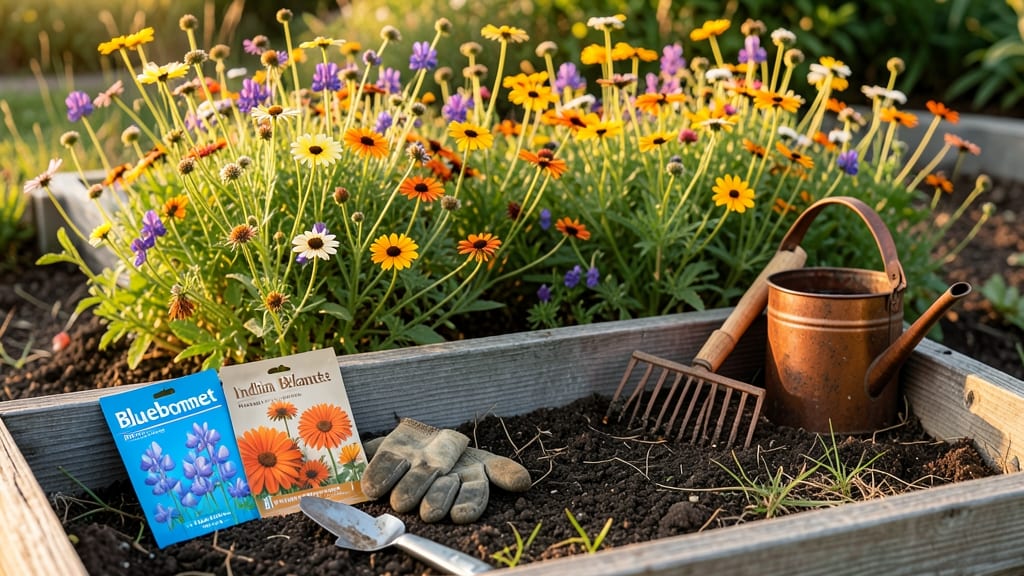
Planting flower seeds 🌸 in Texas at the wrong time can turn your dream garden into a crispy memory before it even starts.
The state’s brutal heat and unpredictable freezes mean timing is everything—get it right, and you’ll enjoy blooms all year; get it wrong, and you’re left with wilting disappointment.
Texas gardeners know the struggle: North Texas freezes can linger into March, while South Texas might already be sweltering by April. Cool-season flowers like pansies thrive in winter, but warm-season favorites like marigolds need to wait until the soil warms. Without a clear plan, even the hardiest seeds can fail.
I’ve cracked the code with a heat-zone chart that maps out the perfect planting windows for your region—whether you’re in the Hill Country or the Gulf Coast.
You’ll learn exactly when to start seeds indoors, when to direct-sow, and how to adjust for microclimates that can shift frost dates by weeks.
Skip the guesswork and start blooming like a pro. By the end, you’ll know the exact months to plant for zero-frost risk, plus pro tips for soil prep and heat tolerance. Let’s get those seeds in the ground the right way!
Texas heat-Zone planting calendar: best months for flower seeds by region
Texas isn’t one-size-fits-all when it comes to planting flower seeds. The North Texas chill contrasts sharply with South Texas heat, while Central Texas sits in the middle. Your last frost date (North: February 15–March 15, South: January 15–February 15) dictates when to start seeds indoors or direct-sow outdoors.
Miss these windows, and you risk wasted seeds or stunted blooms.
For cool-season flowers like pansies, snapdragons, and sweet alyssum, aim for February–March in North Texas and January–February in South Texas. These hardy annuals thrive in 50–70°F soil and can handle light frosts.
Meanwhile, warm-season favorites—marigolds, zinnias, and cosmos—wait until April–May in North Texas and March–April in South Texas, when soil temps hit 60°F+.
Fall planting is your second chance for season-long color. Start warm-season seeds in August–September to beat the 100°F+ heat of late summer. Sunflowers and celosia germinate best when soil cools slightly after monsoon rains.
Pro tip: Use shade cloth for new seedlings to protect them from intense afternoon sun.
Don’t overlook perennial flowers, which establish roots in fall or early spring. Black-eyed Susans and coneflowers planted in September–October will reward you with years of blooms. For direct sowing, wait until soil temps are consistently above 60°F—use a soil thermometer to avoid guesswork.
Texas summers demand heat-tolerant varieties. Zinnias and marigolds handle 90°F+ with ease, while pansies bolt quickly in 80°F+ heat. If you’re in Zone 10b, you can plant warm-season flowers year-round, but monsoon rains (July–September) create ideal germination conditions for fast-growing annuals.
For container gardening, adjust timing by 2–4 weeks earlier—pots heat up faster. Use lightweight potting mix and self-watering pots to prevent root stress. In rocky soils (common in Hill Country), amend with compost to improve water retention and seedling establishment.
Remember: Texas heat isn’t just about temperature—it’s about humidity, wind, and soil moisture. Mulch with straw or pine bark to retain soil moisture and keep roots cool. Drip irrigation beats overhead watering to prevent fungal diseases like powdery mildew, which thrives in hot, humid conditions.
Start seeds indoors 4–6 weeks before your last frost date for head starts. Use grow lights to supplement short winter days, and harden off seedlings for 7–10 days before transplanting. Seedling shock is a common killer—give them time to adjust!
Finally, track your garden’s microclimate. A shady spot under a tree might stay 10°F cooler than your sunny border. Use this to extend planting windows for heat-sensitive flowers like impatiens or
How to adjust planting times for Texas microclimates and soil conditions
Texas isn’t just one climate—it’s a patchwork of microclimates that can shift planting windows by weeks. For example, El Paso (Zone 8a) might still see frost in March, while Houston (Zone 9a) could be 100°F by May.
Adjust your schedule based on these key factors: elevation, urban heat islands, and soil type. Rocky Hill Country soils dry out faster than Gulf Coast clay, so amend yours with compost or sand to improve drainage.
Urban areas like Dallas or Austin trap heat, making late afternoon planting risky for heat-sensitive seeds like pansies or snapdragons. Instead, sow these in early spring (February–March) or late summer (August–September) when temps dip slightly.
For drought-prone zones, opt for native wildflowers (e.g., blackfoot daisy or Mexican hat)—they thrive with half the water of imported varieties.
🌱
Soil temperature is just as critical as air temperature. Use a soil thermometer—most flower seeds need 60–70°F soil to germinate.
In North Texas, wait until mid-April for direct sowing; in South Texas, you can start as early as February. Mulch heavily (2–3 inches of straw or wood chips) to keep roots cool in summer and warm in winter.
For container gardening, adjust timing by 2–4 weeks earlier than in-ground planting. Pots heat up faster, so water deeply every morning and avoid plastic containers (they trap heat). Terracotta pots cool roots better but dry out quicker—balance is key.
If you’re in Zone 10b (e.g., Brownsville), you can plant year-round, but avoid peak summer (June–August) for most annuals.
🌿 Pro Tip: Test your soil’s pH and nutrients before planting. Texas soils often lack phosphorus (critical for root growth) and organic matter. A balanced fertilizer (10-10-10) at planting time gives seeds a boost. For acid-loving plants like azaleas or gardenia, amend with sulfur to lower pH.
Finally, monitor local weather trends. Tools like the Texas A&M AgriLife Extension’s Frost Forecast or NOAA’s Heat Index can help you fine-tune dates. For example, if a 90% chance of rain is predicted, delay sowing heat-sensitive seeds like snapdragons—they rot in soggy soil.
Adjust, observe, and your Texas garden will reward you with blooms all year!