
Flowers
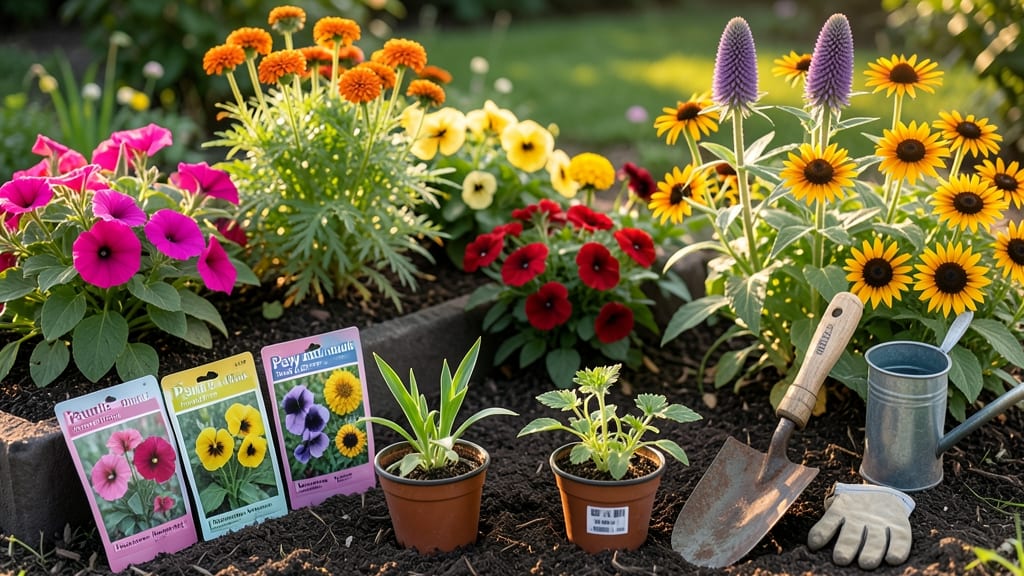
Timing your flower planting in Pittsburgh isn’t just about waiting for spring—it’s about beating the last frost by April 15 while accounting for the city’s tricky microclimates where a sunny South Side plot might thaw weeks before the chilly North Hills.
With USDA Zone 6a conditions, you’ve got a narrow window to plant annuals like pansies or snapdragons without risking frost damage. But here’s the game-changer: fall planting in August lets perennials like coneflowers establish roots before winter—so you’re not just guessing, you’re strategizing.
I’ll break down the exact deadlines for your neighborhood, whether you’re in the urban heat island or a cooler pocket, plus how to stretch your season with row covers and mulch. No more waiting until it’s too late—just vibrant blooms from June to October.
Ready to turn your Pittsburgh garden into a year-round showstopper? Let’s get those 🌸 planted right the first time.
Pittsburgh’s microclimate zones: when to plant flowers by neighborhood
Pittsburgh’s varied terrain—from the North Hills to the South Side—creates distinct microclimates that shift last frost dates by up to 2 weeks. These differences mean your neighbor’s perfect planting time might spell disaster for your garden. Understanding your zone is the first step to frost-proof blooms.
Most of Pittsburgh falls in USDA Hardiness Zones 6a and 6b, but elevation changes and urban heat islands create pockets with earlier or later frost risks. For example, Mt. Washington (Zone 6a) often sees frost 2 weeks later than Homestead (Zone 6b).
This means your spring planting window could be April 15 in one neighborhood and May 1 just miles away.
Here’s how to match your planting timeline to Pittsburgh’s microclimate zones, including average last frost dates and urban heat island effects that can push warm-season flowers to maturity faster.
If you’re unsure about your exact microclimate, consider these universal rules for Pittsburgh: Annual flowers should wait until after May 1 in most areas, while perennials and bulbs can go in as early as mid-April if the soil is workable. Cold-hardy annuals like pansies or snapdragons can handle light frosts and may even thrive if planted in early April.
For fall planting, aim for August 15–September 1 across all zones. This gives flowers time to establish roots before the first frost, typically hitting around October 15. Native perennials, like black-eyed Susans or coneflowers, are excellent choices for fall planting—they’re drought-tolerant and frost-resistant.
One critical mistake Pittsburgh gardeners make is ignoring the urban heat island effect. Areas like Downtown or The Strip District can be 5–10°F warmer than the North Hills, allowing you to plant heat-loving flowers like marigolds or zinnias 2 weeks earlier.
Use this to your advantage by choosing fast-maturing varieties for these zones.
To test your local frost risk, place a frost-sensitive plant (like basil) outdoors on April 1. If it survives 3 nights below 32°F, you’re likely in a warmer microclimate and can safely plant earlier.
This DIY frost test is a gardener’s secret weapon for Pittsburgh’s unpredictable spring.
Remember: Soil temperature matters just as much as air temperature. Use a so
Best flowers to plant in Pittsburgh for maximum frost resistance
Pittsburgh’s USDA Zone 6a means we’re playing a delicate balancing act: planting flowers too early risks frost damage, but waiting too long cuts your blooming season short. The key is choosing cold-hardy varieties that thrive in temperature swings and knowing their exact planting windows.
For annuals, focus on varieties that can handle light frosts—like pansies and snapdragons—which you can plant as early as mid-April in sheltered spots. Perennials like coneflowers and black-eyed Susans are even more forgiving, tolerating fall planting until early September.
🌸
Cold-Hardy Annuals
- Pansies: Plant mid-April to May; thrives in 32°F+ temps
- Snapdragons: Sow late March (indoors) or plant mid-April outdoors
- Sweet Alyssum: Direct sow April 15+; self-seeds easily
Perennial Powerhouses
- Coneflowers: Plant April-May or August-September; drought-tolerant
- Black-Eyed Susans: Fall planting (August-September) for stronger roots
- Daylilies: April-May or September planting; handles heat well
Bulbs for Early Color
- Daffodils: Plant October-November for March blooms
- Tulips: October planting; choose Darwin Hybrid for heat tolerance
- Crocus: September-October planting; blooms through snow
Native plants like wild columbine and Virginia bluebells are your secret weapons—they’ve evolved to handle Pittsburgh’s temperature swings and variable soils. Plus, they attract pollinators from day one, giving your garden an instant ecosystem boost.
Pro tip: If you’re itching to plant tender annuals like marigolds or petunias before the last frost, start them indoors in early March. By mid-April, they’ll be ready to transplant safely, giving you a head start on color.
For fall planting, aim to get perennials in the ground by early September. This gives roots time to establish before winter, so they burst into bloom next spring with minimal effort. Just remember: well-draining soil is non-negotiable in Pittsburgh’s clay-heavy areas.
🌿