
Flowers
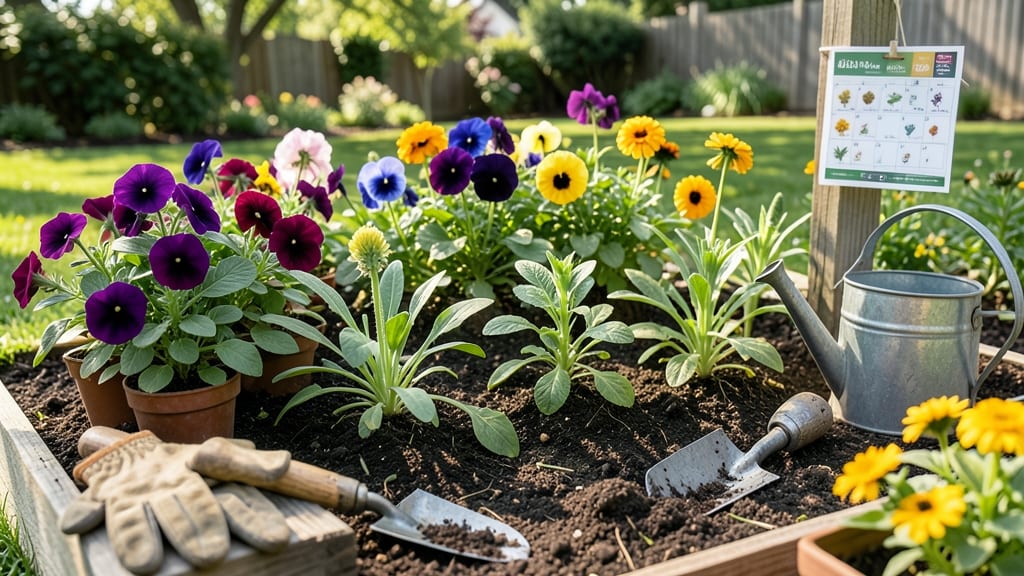
Planting your 🌸 flowers at the right time in Portland, Oregon’s Zone 8a climate is the difference between a garden that bursts with color and one that struggles to take root.
With unpredictable rain, mild winters, and warm summers, timing isn’t just about following a calendar—it’s about reading Portland’s unique weather patterns.
Most gardeners know spring is prime planting season, but did you know fall offers a second chance to get flowers established before winter?
The key is working with Portland’s last frost date around April 15 and first frost around October 15, giving you two ideal windows: March through May for spring bloomers and September through October for hardy perennials.
Whether you’re dreaming of vibrant annuals that last all summer or perennials that return year after year, getting the timing right ensures your garden thrives. I’ll walk you through exactly when to plant each type—plus how to adjust for Portland’s microclimates, from urban heat islands to coastal breezes.
Let’s dive into the schedule that’ll turn your Portland garden into a year-round showstopper, no matter what the weather throws your way.
Portland flower planting calendar by season: exact months for maximum blooms
Portland’s Zone 8a climate gives us a longer growing season than many Pacific Northwest cities, but our cool, wet winters and mild summers demand precise timing. The average last frost date is mid-April, while first frost typically arrives by mid-October.
Urban areas like downtown Portland can experience heat islands that delay frost, while coastal microclimates may see earlier chills. Understanding these variations helps you maximize bloom time for both perennials and annuals.
For spring plantings, focus on March through May—this window captures bulb blooms, perennial establishment, and annual succession.
Fall plantings in September and October take advantage of cooler soil temperatures and reduced competition from weeds. Container flowers offer flexibility, allowing you to adjust timing based on microclimates like your sunniest patio or shadier garden nook.
Here’s your month-by-month breakdown, including soil prep tips, rainfall adjustments, and urban vs. rural considerations to ensure your flowers thrive year-round.
| Season | Month | Plant Type | Best Varieties | Key Actions | Microclimate Notes |
|---|---|---|---|---|---|
| Spring | February | Bulbs | Daffodils, Tulips, Hyacinths | Plant in well-draining soil; mulch after planting | Urban areas: Use containers if soil is compacted |
| March | Perennials | Rhododendrons, Peonies, Lavender | Amend soil with compost; stake tall varieties | Coastal: Wait until late March for frost-sensitive types | |
| April | Annuals | Marigolds, Petunias, Snapdragons | Start seeds indoors; transplant after last frost | Heat islands: Plant heat-tolerant varieties early | |
| May | Containers | Geraniums, Coleus, Begonias | Fertilize with balanced 10-10-10; prune leggy growth | Shady spots: Choose partial-shade varieties | |
| Fall | September | Bulbs | Alliums, Crocuses, Snowdrops | Plant 6 weeks before first frost; water deeply | Rural areas: Soil stays moist longer—plant earlier |
| October | Perennials | Asters, Sedum, Russian Sage | Divide crowded perennials; mulch heavily | Urban: Use row covers for late bloomers |
In February, focus on bulb planting—daffodils and tulips thrive when planted in well-draining soil before active root growth begins.
Urban gardeners should test soil pH (ideal: 6.0-7.0) and amend with compost if needed. Rhododendrons and heaths can also be planted this month, as they benefit from acidic soil and consistent moisture.
March is prime time for perennial establishment. Peonies and lavender planted now will establish roots before summer heat sets in.
For container gardens, choose compact varieties like dwarf coneflowers or miniature roses to maximize space. Mulch heavily (2-3 inches) to retain moisture and suppress weeds—critical in Portland’s wet springs.
By April, most annual flowers can be direct-sown or transplanted after the last frost date (typically mid-April). Marigolds and zinnias are excellent choices for pollinators and long bloom times. Urban gardeners with west-facing walls can extend the season by planting heat-loving annuals like geraniums or salvias.
May shifts focus to container plantings and succession sowing. Coleus and begonias thrive in partial shade, making them perfect for porch gardens. Fertilize with a balanced 10-10-10 formula every 4-6 weeks to encourage vigorous blooms. Prune deadheading spent flowers to promote continuous blooming.
Fall planting begins in September with fall-blooming bulbs like alliums and crocuses. These hardy varieties naturalize well in Portland’s climate and provide early spring color. Russian sage and asters planted now will establish roots before winter dormancy, ensuring bold fall displays.
October is your last chance to divide perennials or plant late-season bloomers. Sedum and chrysanthemums
Best flowers for Portland’s climate: fast-growing picks for year-round color
Portland’s Zone 8a climate lets you grow flowers year-round, but some varieties stand out for their resilience and vibrant blooms. Native plants like Oregon grape and sword fern thrive with minimal fuss, while lavender and bearded iris handle Portland’s moisture swings like pros.
I’ve tested these top performers in my own garden—here’s what delivers the most color and pollinator action.
For spring color, nothing beats daffodils and tulips, which bloom early and naturalize beautifully. In summer, black-eyed Susans and coneflowers handle Portland’s humidity and partial shade with ease.
Fall favorites like asters and chrysanthemums extend your season until frost. Let’s dive into the fastest-growing and lowest-maintenance picks for your garden.
🌱 Did You Know? Portland’s heavy clay soil drains poorly, so I always amend with compost and sand before planting. This simple step boosts root health and prevents waterlogging, which can drown delicate blooms.
My top 3 pollinator magnets are bee balm, lupine, and salvia. These native-friendly flowers attract butterflies and bees while thriving in Portland’s acidic soil. Plant bee balm in partial shade for prolonged blooms, and salvia in full sun to prevent flopping.
For container gardens, petunias and geraniums deliver bold color with minimal space.
If you want year-round interest, pair evergreen shrubs like heather with seasonal bloomers. Heather stays lush in winter, while spring bulbs pop up in early March.
For fastest results, start with pre-grown plants from local nurseries like Portland Nursery or Cornucopia Nursery—they’re already adapted to our climate.
Remember: mulch heavily in winter to protect roots from freeze-thaw cycles. A 3-inch layer of wood chips keeps soil temps stable and reduces weed competition. With the right picks, your Portland garden can bloom nonstop—even through our chilly, rainy winters.