
Plants
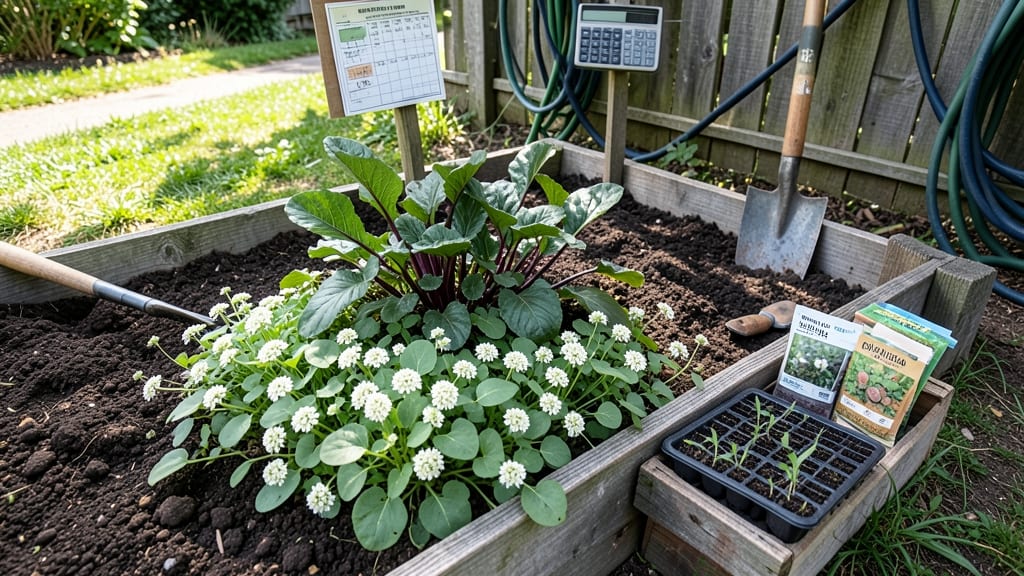
Planting food plots in Florida at the wrong time can turn your hard work into a soggy, pest-riddled mess—especially when humidity and storms throw off even the best-laid plans.
The 9a-11 climate means you’ve got two prime windows to nail it: spring and fall, but timing matters more than you think.
I’ve seen firsthand how a 5-day delay in spring planting can mean the difference between lush clover and a failed crop. Florida’s subtropical quirks—like no frost but brutal summer heat—demand a smarter approach.
Whether you’re growing brassicas for early deer browsing or warm-season grasses for late-season forage, the calendar is your secret weapon.
In this guide, I’ll break down the exact deadlines for North vs. South Florida, the fastest-germinating varieties for your region, and how to avoid common mistakes that ruin plots. No guesswork—just proven strategies to turn your food plots into a wildlife magnet.
Ready to stop wasting seed and start growing? Let’s get those 🌱 plots planted right the first time.
Florida food plot planting deadlines by season: spring vs fall timelines
Florida’s subtropical climate creates two perfect windows for planting food plots: spring and fall. Unlike northern states, you won’t deal with frost, but timing still matters—plant too early in summer and face heat stress, too late in fall and risk hurricane season.
The key is aligning your planting with soil temperatures (aim for 55°F+) and rainfall patterns to avoid drought or flooding.
North Florida’s cooler microclimate (USDA zones 8a–9a) has slightly later deadlines than South Florida’s zone 10–11 heat. For example, brassicas like turnips need cooler soil in spring, while warm-season grasses like millet thrive when temps climb above 80°F.
Let’s break down the exact deadlines by variety and region to maximize your food plot’s success.
🌱 PRO TIP: Use a soil thermometer—most seeds need 60–70°F soil temps to germinate reliably. Florida’s summer heat can push soils to 90°F+, which kills many cool-season seeds.
| Variety Type | Spring Deadline (North FL) | Spring Deadline (South FL) | Fall Deadline (North FL) | Fall Deadline (South FL) | Critical Notes |
|---|---|---|---|---|---|
| Brassicas (Turnips, Radishes, Rye) | Feb 15–Mar 15 | Feb 1–Mar 10 | Aug 1–Sep 15 | Jul 15–Aug 30 | Plant when soil temps drop below 85°F |
| Clover (Crimson, Dutch White) | Feb 1–Mar 15 | Jan 15–Feb 28 | Aug 15–Sep 30 | Jul 30–Sep 15 | Avoid extreme heat; mulch heavily |
| Warm-Season (Sorghum, Millet, Peanuts) | Apr 15–May 15 | Mar 15–Apr 30 | Sep 1–Sep 30 | Aug 15–Sep 15 | Requires 80°F+ soil temps |
For spring plantings, North Florida’s cooler winters mean you can start brassicas as late as mid-March, while South Florida’s earlier warmth lets you plant clovers by late January. Miss these deadlines, and you’ll face bolting (premature flowering) or heat stress—both kill forage quality for deer.
Fall is trickier due to hurricane season (June–October), but planting 4–6 weeks before peak storms (late August for North FL, mid-August for South FL) gives seeds time to establish before rains arrive. Warm-season grasses like millet are your best bet for late-summer plantings—they germinate fast in 80°F+ soil and tolerate brief flooding.
🌿 REGIONAL ADJUSTMENT: Central Florida (Orlando/Tampa) falls between North and South deadlines. Use South FL dates for areas south of Lake Okeechobee and North FL dates for regions north of Gainesville. Microclimates near coastlines (e.g., Panhandle) may need adjustments too—test soil temps locally!
After planting, monitor soil moisture—Florida’s summer downpours can cause seed rot, while droughts stunt growth. Drip irrigation is ideal for young plots, and mulching (straw or wood chips) helps retain moisture without smothering seedlings.
Aim for 1–2 inches of water weekly, delivered in the early morning to prevent fungal diseases.
One final tip: Cover crops like rye can be planted in late fall (October–November) to suppress weeds and improve soil health before your next spring food plot. Just avoid planting rye too early—it can outcompete tender brassicas if not terminated properly.
Florida food plot planting deadlines by season: spring vs fall timelines
Florida’s subtropical climate gives you two clear windows to plant food plots—spring and fall—but the deadlines shift dramatically between North Florida’s cooler highlands and South Florida’s steamy lowlands.
In my experience, planting brassicas like turnips in March works perfectly in North Florida, while the same crop in South Florida needs to hit the ground by late February to avoid summer’s brutal heat.
The key difference? Soil temperature. Most food plot seeds need 55°F+ soil temps to germinate, but warm-season varieties like sorghum won’t sprout until temps hit 80°F+. Florida’s microclimates mean you’ve got to adjust your calendar by 2–4 weeks depending on where you’re planting.
Here’s the breakdown you need to avoid wasted seed and missed browsing opportunities:
| Variety Type | Spring Deadline (North FL) | Spring Deadline (South FL) | Fall Deadline (North FL) | Fall Deadline (South FL) | Critical Notes |
|---|---|---|---|---|---|
| Brassicas (Turnips, Radishes, Rye) | Feb 15–Mar 15 | Feb 1–Mar 10 | Aug 1–Sep 15 | Jul 15–Aug 30 | Plant when soil temps drop below 85°F |
| Clover (Crimson, Dutch White) | Feb 1–Mar 15 | Jan 15–Feb 28 | Aug 15–Sep 30 | Jul 30–Sep 15 | Avoid extreme heat; mulch heavily |
| Warm-Season (Sorghum, Millet, Peanuts) | Apr 15–May 15 | Mar 15–Apr 30 | Sep 1–Sep 30 | Aug 15–Sep 15 | Requires 80°F+ soil temps |
Notice how warm-season varieties like millet get planted earlier in South Florida? That’s because the ground warms up faster in the southern panhandle. Meanwhile, cool-season clovers need to be in the ground by late January in South Florida to escape the summer slump.
Pro tip: Use a soil thermometer to confirm temps before planting—don’t rely on air temperature alone. I’ve seen too many hunters rush planting in May only to watch their seeds rot in the heat.
For fall plantings, aim to finish by mid-September in North Florida to give plants time to establish before winter rains. In South Florida, you’ve got until late September, but watch for hurricane season disruptions after August.
Timing isn’t just about the calendar—it’s about soil prep, rainfall patterns, and even deer behavior. Plant too late, and you’ll miss the fall rut.
Plant too early, and your plot might bolt or get smothered by weeds. Get it right, and you’ll have lush forage when bucks are most active.