
Plants
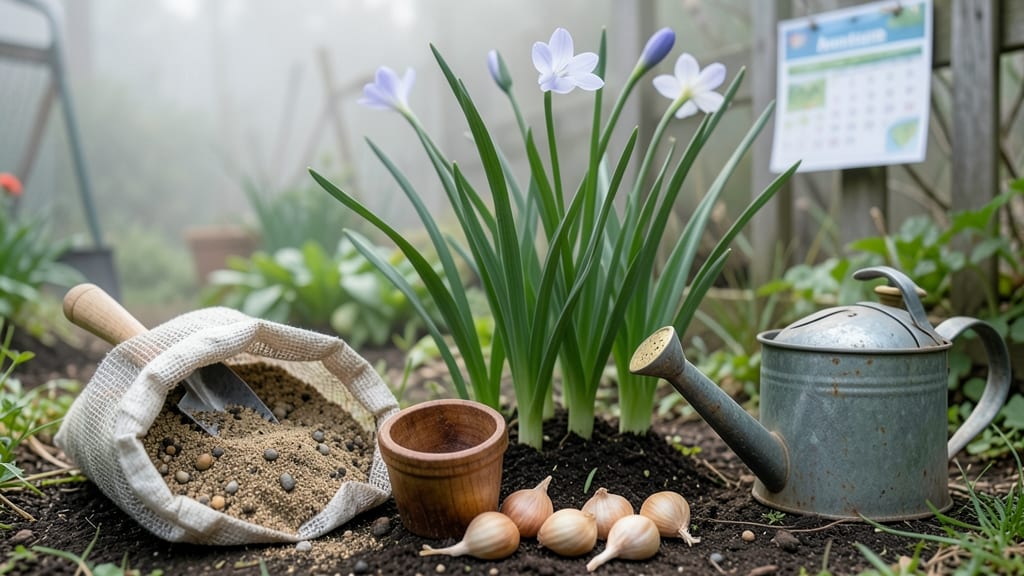
Planting freesias at the wrong time in the UK could mean frost-killed bulbs and wasted effort—but timing it right guarantees fragrant, vibrant blooms year after year. The secret lies in understanding your region’s climate, whether you’re in milder southern areas or cooler northern zones where frost arrives earlier.
For most UK gardeners, the ideal window is between September and November, when soil is still warm enough to encourage root growth before winter sets in. This timing ensures your freesias 🌸 develop strong roots while avoiding the first frost, which typically hits by mid-October in many areas.
But what if you missed the fall window? Don’t worry—spring planting is also an option, though it requires extra care to protect young shoots from late frosts. I’ll walk you through both methods, including soil prep, depth, and spacing tricks to maximize survival and blooming success.
With the right approach, you’ll enjoy those signature freesia scents and colors from April to June—no frost-related disappointments. Let’s dive into the exact steps for your UK garden.
UK freesia planting calendar: spring vs fall timing for frost-free growth
Timing is everything when planting freesias in the UK, where first frosts can strike as early as mid-October in northern regions. The golden window for fall planting is September through November, giving bulbs 6-8 weeks to establish roots before winter.
In milder southern areas, you might extend this to early December, but northern gardeners should aim earlier to avoid frost damage.
For spring planting, wait until March or April—after the last frost date in your area (typically mid-May in most zones). This method works but requires extra care, like using cloche protection for young shoots. I’ll break down both approaches in detail, including regional adjustments for the UK’s diverse climate.
Here’s how to match your location to the best planting time:
| Region | Fall Planting Window | Spring Planting Window | Key Consideration |
|---|---|---|---|
| Southern England (e.g., London, Brighton) | Late September – December | March – Early April | Milder winters; extend fall window |
| Midlands (e.g., Birmingham, Manchester) | September – Early November | Late March – Mid-April | Moderate frost risk; prioritize early fall |
| Northern England/Scotland (e.g., Edinburgh, Newcastle) | August – October | April – Early May | Early frosts; plant ASAP in fall |
| Wales | September – November | March – April | Varies by elevation; highland areas plant earlier |
Soil temperature is the real secret to success. Freesia bulbs need soil temps above 10°C (50°F) to sprout. In the UK, this usually means waiting until late August or September for fall planting.
Use a simple soil thermometer to check—if it’s cooler, delay planting or use a cold frame for protection.
For spring planting, focus on late March or April when soil warms naturally. This method is riskier because young shoots are vulnerable to late frosts, but it’s your backup if you missed the fall window.
I recommend starting bulbs indoors in February for a head start, then transplanting outdoors after frost dates pass.
Regardless of timing, always plant freesias in well-draining soil with a slightly acidic pH (6.0–7.0). Amend heavy clay soils with compost or sand to prevent rot. Mulch with straw or leaves after planting to insulate bulbs from temperature swings and retain moisture.
Pro tip: If you’re in a cooler microclimate (like a shaded garden), opt for earlier fall planting or use a greenhouse to extend the season. Freesias thrive with 6+ hours of sunlight daily, so choose a south-facing spot for best results.
Watch for first flower buds in April or May, signaling successful planting. Deadhead spent blooms to encourage more flowers, and reduce watering in late summer to let bulbs prepare for dormancy. With the right timing, you’ll enjoy fragrant freesia blooms for weeks—no frost-related disappointments! 🌸
How to prepare freesia bulbs for UK planting: soil, depth, and spacing secrets
Preparing freesia bulbs properly is the key to avoiding rot, frost damage, and poor flowering in UK gardens. Start by selecting firm, plump bulbs with no soft spots or mold—these are your best bet for surviving the UK’s unpredictable autumns.
I always inspect my bulbs under bright light to catch any early signs of rot before planting.
Freesias need well-draining soil to thrive, especially in the UK’s damp climate. If your garden soil is heavy clay, mix in 20% sand or grit and 30% compost to improve drainage.
A soil test kit (available for under £10) helps check your pH level (6.0–7.0)—freesias prefer slightly acidic to neutral soil.
Here’s my step-by-step prep checklist to ensure your bulbs are ready for UK conditions:
- ✂️ Trim damaged roots – Gently remove any mushy or discolored roots with sterilized scissors.
- 🌱 Soak bulbs for 30 mins – Place in lukewarm water to hydrate before planting (skip if soil is already moist).
- 🪴 Choose planting depth – Bury bulbs 2 inches deep (3 inches in heavy soil) with the pointed end up.
- 🌡️ Check soil temperature – Wait until soil reaches 10°C (50°F) or use a cold frame for earlier planting.
- 🌿 Space bulbs 3 inches apart – This prevents fungal diseases by improving airflow between plants.
For container growing (ideal for UK balconies or patios), use pots with drainage holes and fill with a mix of 50% peat-free compost and 50% perlite. Plant 2-3 bulbs per 6-inch pot—they’ll naturalize beautifully over time. Remember to place containers in south-facing spots for maximum sunlight exposure.
After planting, apply a 2-inch layer of mulch (straw or shredded leaves) to insulate bulbs from temperature fluctuations and retain moisture. In northern UK regions, add an extra layer of mulch or use fleece covers for winter protection.
Water lightly after planting, then reduce watering in late autumn to simulate dormancy conditions.
One common mistake UK gardeners make is planting freesias too deep—this can cause rot in wet winters. Always double-check your depth with a ruler or stick.
If you’re unsure about your soil’s drainage, do the "squeeze test": Grab a handful of moist soil—if it holds its shape, it’s too clay-heavy. If it crumbles, it’s perfect for freesias.
With these prep steps, your freesia bulbs will establish strong roots before winter, ensuring vibrant blooms next spring—no frost-related surprises! 🌸