
Trees
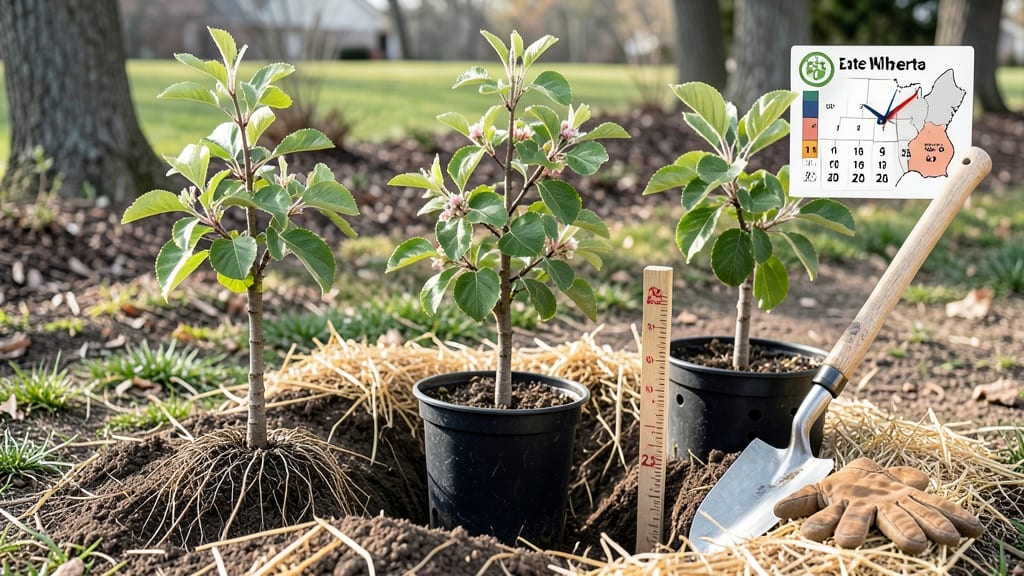
Planting your 🍎 fruit tree at the wrong time in Illinois could mean struggling with weak roots, stunted growth, or even losing your tree before it bears fruit—but getting the timing right is the secret to strong, healthy trees that produce for decades.
If you've ever wondered why some fruit trees thrive while others barely survive, the answer often comes down to when they hit the ground. Illinois' 5a-6b zones give you two prime windows: late winter/early spring or fall, each with its own advantages for root establishment and winter hardiness.
I'll break down exactly when to plant—whether you're working with bare-root saplings or container-grown trees—and what to watch for to avoid common mistakes that derail new plantings. Let's get your fruit tree off to the best possible start.
From soil prep to post-planting care, we'll cover everything you need to know to make your fall or spring planting pay off with a tree that grows strong and produces bountiful harvests year after year.
Best planting seasons for fruit trees in Illinois: spring vs fall guidelines
Timing is everything when planting fruit trees in Illinois, where USDA Zones 5a-6b bring distinct seasonal challenges. The best planting windows are late winter to early spring (February–April) or fall (October–November), but each season offers unique advantages for root establishment and tree health.
Let’s break down the optimal months and why they matter.
Spring planting (March–April) gives young trees time to establish roots before summer heat, while fall planting (October–November) allows roots to grow undisturbed in cool soil before winter dormancy.
Both strategies work, but your choice depends on tree type, local frost dates, and whether you’re planting bare-root or container-grown trees.
🌱 Pro Tip: Always check your last frost date (typically April 15 in Illinois) and first frost date (October 15) to avoid planting too early or late.
| Season | Ideal Months | Tree Types | Key Advantages | Risks to Avoid |
|---|---|---|---|---|
| Spring | March–April | Bare-root, container-grown | Roots grow before summer heat; full growing season ahead | Planting too early (frost damage); dry soil |
| Fall | October–November | Container-grown (bare-root needs winter protection) | Cool soil encourages root growth; less competition from weeds | Planting too late (roots don’t establish before freeze) |
For bare-root trees, spring planting (late March–April) is ideal because roots can replenish moisture before summer droughts hit. These trees are dormant, so they tolerate cooler temps, but avoid planting when buds begin to swell—this signals new growth that can’t handle frost.
Container-grown trees, however, are more flexible and can be planted in fall (October) or spring (April). Their established root balls reduce transplant shock, making them a great choice for fall plantings. Just ensure the soil stays cool and moist until winter dormancy begins.
🌿 Regional Note: Northern Illinois (Zone 5a) has shorter growing seasons, so spring planting (April) is safer. Southern Illinois (Zone 6b) can extend fall planting to mid-November if soil temps stay above 40°F.
If you’re planting stone fruits like peaches or cherries, prioritize spring planting—these trees need time to harden off before Illinois’ hot summers. Apples and pears, on the other hand, handle fall plantings well due to their cold-hardy roots.
💧 Watering Tip: After planting, water deeply to settle soil around roots, and mulch with 3–4 inches of organic mulch to retain moisture and regulate soil temperature.
Finally, avoid planting in extreme heat or cold. Summer plantings in Illinois (June–August) stress trees with high evaporation rates, while winter plantings (December–February) risk frost-heaving roots. Stick to the recommended windows, and your fruit trees will thrive for decades.
Best planting seasons for fruit trees in Illinois: spring vs fall guidelines
Timing is everything when planting fruit trees in Illinois, where USDA zones 5a-6b create a unique balance between cold winters and warm summers. The two best windows—late winter/early spring and fall—each offer distinct advantages depending on your tree type and region.
Let’s break down the ideal months and what each season brings to the table.
For bare-root trees, spring planting (February through April) is ideal because it aligns with natural root growth before buds swell. Container-grown trees, however, can handle either season, giving you flexibility.
Fall planting (October through November) allows roots to establish before winter dormancy, but you’ll need to protect them from freezing temperatures.
🌱 Illinois Planting Windows by Season
| Season | Best Months | Tree Type | Key Advantages |
|---|---|---|---|
| Spring | February - April | Bare-root, container-grown | Roots grow with soil warming; avoids winter stress |
| Fall | October - November | Container-grown (bare-root needs protection) | Establishes roots before dormancy; less competition |
Northern Illinois (zones 5a-5b) favors spring planting due to colder winters, while southern Illinois (zones 6a-6b) can handle fall plantings more reliably. Always check your local last frost date (around April 15) to avoid early-season freezes that can damage tender new growth.
If you’re planting in fall, focus on container-grown trees or use root protection methods like mulch and burlap wraps for bare-root varieties. Spring plantings, on the other hand, benefit from the tree’s natural growth cycle, reducing transplant shock.
For peach and cherry trees, spring is critical—they’re less cold-hardy and need time to establish before summer heat arrives.
Regardless of season, prioritize well-draining soil and full sun exposure (6+ hours daily). Avoid planting during extreme heat or drought, as stressed trees struggle to recover. With the right timing, your fruit tree will thrive for decades, producing bountiful harvests year after year.