
Trees
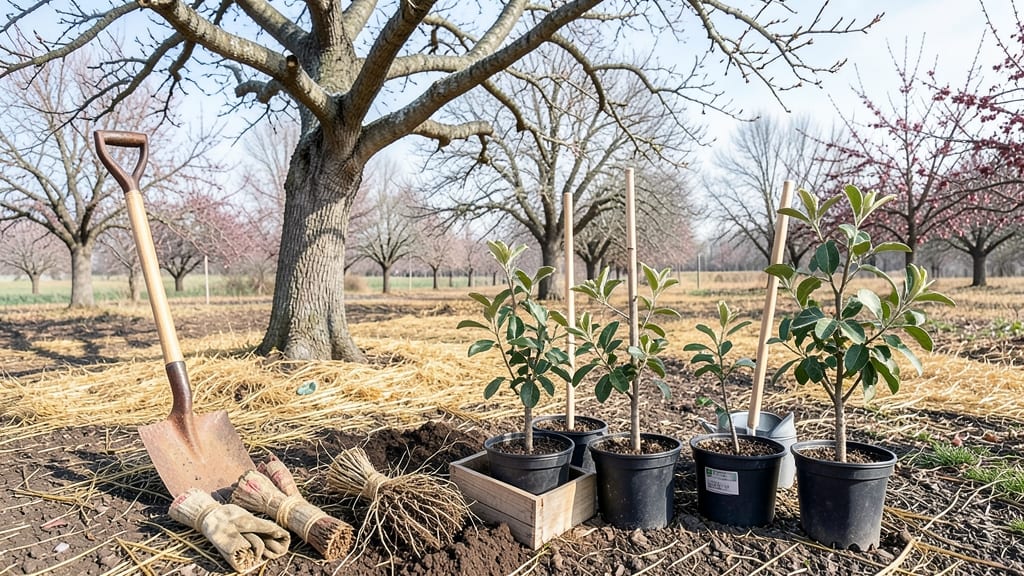
Planting fruit trees in Massachusetts at the wrong time can mean struggling with stunted growth—or worse, losing your entire sapling before it ever bears fruit.
The key isn't just picking a season, but understanding your specific USDA zone and the chill-hour needs of your chosen varieties, whether it's crisp apples or sweet cherries.
I've learned the hard way that timing matters more than most gardeners realize. Too early, and frost will damage tender roots; too late, and your tree won't establish strong roots before winter hits.
But get it right, and you'll be enjoying homegrown harvests in just a few years with minimal effort.
For Massachusetts growers, the best planting windows are early spring (as soon as the ground is workable) or early fall (before the first frost). This gives roots time to establish before extreme temperatures arrive.
Let me show you exactly when to plant based on your location—whether you're in Boston, Worcester, or the Berkshires—and which varieties thrive best in each microclimate.
We'll cover everything from soil preparation to variety-specific tips, so you can avoid common mistakes and give your fruit trees the best possible start. Let's make sure your orchard dreams don't freeze before they even begin to grow.
Massachusetts fruit tree planting deadlines by chill-hour requirements
Massachusetts fruit tree planting success starts with understanding chill-hour requirements. These hours of cold temperatures (below 45°F) trigger blooming and fruiting. Most apple varieties need 400-1,000 chill hours, while peaches thrive with 200-500 hours.
Planting too early risks frost damage, while waiting too long can delay fruit production.
In Zone 5-6 (covering most of MA), average last frost dates range from April 15-30. However, coastal areas like Cape Cod may see later frosts, while inland regions like Worcester often warm earlier. Always check your local USDA frost map before planting.
Here's how chill hours dictate your planting window for popular varieties:
| Variety | Chill Hours | Best Planting Window | Frost-Free Deadline |
|---|---|---|---|
| Apples (e.g., Honeycrisp, Fuji) | 600-1,000 | Late April - Early May | May 15 (Boston), May 1 (Springfield) |
| Pears (e.g., Bartlett, Anjou) | 400-600 | Early April - Mid-May | May 1 (Coastal), April 20 (Inland) |
| Cherries (Sweet & Tart) | 500-900 | Late April - Early June | May 10 (All Regions) |
| Peaches & Nectarines | 200-500 | Early Spring (March-April) | April 15 (All Regions) |
| Plums & Apricots | 300-600 | Late March - Early May | April 25 (Coastal), April 10 (Inland) |
For bare-root trees, plant as soon as soil is workable (around 40°F) but before buds swell. Container-grown trees can handle slightly later planting since their roots aren't dormant. Always avoid planting when frost is forecast within 7-10 days.
Pro tip: Use local nurseries for region-specific varieties. For example, Liberty apples (disease-resistant) thrive in MA's humid climate, while Elberta peaches need protected sites. Check with UMass Extension for your county's specific chill-hour data.
Remember, fall planting (October-November) works for some varieties like pears, but spring planting gives roots more time to establish before summer heat. Test your soil's pH (6.0-7.0 ideal) and amend with compost before planting.
If you're in Western MA, aim for 2-3 weeks earlier than coastal areas. The Connecticut River Valley often has earlier last frosts than Boston, so adjust your timeline accordingly.
For dwarf varieties, plant slightly later (May) since they establish faster. Just ensure they get 6+ hours of sun daily—they're more sensitive to shade than standard trees. Mulch heavily to retain moisture during MA's unpredictable spring showers.
Best months to plant fruit trees in MA: soil prep & variety-specific tips
Massachusetts gardeners know timing is everything—especially when planting fruit trees. While spring planting (April-May) gives roots the longest growing season before winter, fall planting (October-November) works for hardy varieties like pears. The key is matching your tree type (bare-root vs. container-grown) with the right soil conditions and microclimate.
For bare-root trees, plant as soon as soil reaches 40°F—usually late March to early April in inland areas, but 2-3 weeks later near the coast.
These trees are dormant, so they tolerate cooler soils better than container-grown saplings. Container-grown trees, however, can wait until soil warms to 50°F (typically mid-April to May) since their roots are active.
- 🌱 Early Spring (March-April): Ideal for peaches, plums, and nectarines (low chill-hour varieties). Plant bare-root trees as soon as soil thaws.
- ☀️ Late Spring (May): Best for apples, cherries, and container-grown trees. Soil should be warm and frost-free for 7-10 days.
- 🍂 Fall (October-November): Perfect for pears and hardy apple varieties. Plant 6-8 weeks before first frost to allow root establishment.
- 🌡️ Soil Temp Check: Use a soil thermometer—bare-root trees need 40°F, container-grown need 50°F.
- 🌧️ Rainy Days: Avoid planting in soggy soil. Wait for ground to dry slightly to prevent root rot.
Massachusetts’ clay-heavy soils often need amendment before planting. Test your soil’s pH (6.0-7.0 ideal) and mix in compost or aged manure to improve drainage. For sandy soils (common in Cape Cod), add organic matter to retain moisture.
Dig a hole twice as wide as the root ball but only as deep—planting too deep can suffocate roots.
Variety-specific timing matters too. Peaches and nectarines (low chill-hour needs) should go in early spring to avoid late frosts damaging blossoms. Apples and cherries (higher chill hours) can wait until late spring when frost risk drops. Pears are unique—they handle fall planting well since they’re less frost-sensitive.
Pro tip: If you’re in Western MA, plant 1-2 weeks earlier than coastal areas. The Connecticut River Valley warms faster, but Nantucket or Martha’s Vineyard may need to wait until May due to later frosts. Always check UMass Extension’s frost maps for your exact location.
For dwarf varieties, plant slightly later (May) since they establish faster. Just ensure they get 6+ hours of sun daily—they’re more sensitive to shade than standard trees. Mulch heavily with wood chips to retain moisture and regulate soil temperature during MA’s unpredictable spring showers.