
Planting
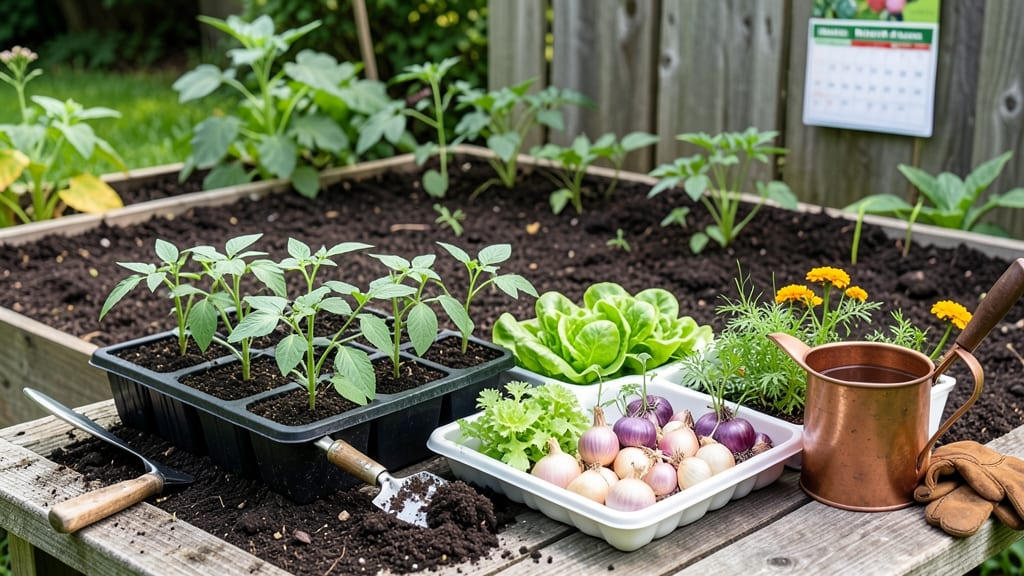
When to plant a garden in Indiana means the difference between a thriving harvest and wasted effort—especially in USDA Zones 5b-6a, where frost can strike as late as April 15 or return by October 15.
I’ve learned the hard way that planting too early risks frost damage, while waiting too long can leave you scrambling for fall crops. The key? Aligning your schedule with Indiana’s 165 frost-free days and soil temperatures that finally cooperate after that last stubborn cold snap.
In this guide, I’ll break down exactly when to plant everything from cool-loving peas to heat-craving tomatoes—plus how to adjust for Indiana’s famously fickle weather. No more guessing games, just peak yields and fewer bolted lettuces.
Ready to turn your garden dreams into reality? Let’s dive into the perfect planting windows that actually work for Indiana’s climate—no more trial and error.
Indiana planting calendar by USDA zone 5-6: exact dates for cool vs warm-season crops
Indiana's USDA Zones 5b-6a offer a 165-day growing season, but timing is everything. The average last frost date is April 15, while the first frost typically arrives October 15.
However, these dates can shift by 2-3 weeks depending on your specific location—northern Indiana may face frost a week earlier than southern counties.
To maximize your harvest, divide crops into cool-season (early spring/fall) and warm-season (after last frost) categories. Cool-season crops like spinach, peas, and kale thrive in 45-60°F soil, while warm-season favorites such as tomatoes, peppers, and cucumbers need 60-70°F soil to germinate properly.
Pro Tip: Use a soil thermometer ($10-$15) to verify soil temperatures before planting warm-season crops. 50°F is the minimum for most seeds to sprout reliably.
Indiana Planting Timeline by Crop Type
| Plant Type | Cool-Season Window | Warm-Season Window | Frost Tolerance | Notes |
|---|---|---|---|---|
| Leafy Greens (Lettuce, Spinach, Kale) | March 15 - April 15 September 1 - September 30 |
N/A | High (survives light frost) | Bolt-resistant varieties like 'Winter Density' kale perform best. |
| Root Vegetables (Carrots, Beets, Radishes) | March 20 - May 1 August 15 - September 15 |
N/A | Medium (protect from hard frost) | Sow radishes first—they germinate in 3-5 days and mark soil warmth. |
| Peas & Peas (Snap, Snow, Shelling) | March 1 - April 10 | N/A | Very High (thrive in cool weather) | Plant 'Sugar Snap' peas early for a spring harvest and again in July for fall. |
| Tomatoes & Peppers | N/A | May 1 - June 1 (after last frost) | Low (kill frost-sensitive) | Use black plastic mulch to warm soil and speed germination. |
| Cucumbers & Squash | N/A | May 15 - June 15 | Low | Wait until soil reaches 70°F+ to prevent blossom-end rot. |
| Herbs (Basil, Cilantro, Parsley) | March 15 - April 15 (cilantro) May 1 - June 1 (basil) |
June 15 - July 15 (basil) | Medium (except basil) | Basil bolts in heat—plant in partial shade in July. |
| Flowers (Marigolds, Zinnias, Sunflowers) | April 15 - May 15 | May 1 - June 15 | High (marigolds tolerate frost) | Sunflowers can be direct-sown in late May for fall blooms. |
*Dates based on Indiana average frost dates; adjust 1-2 weeks for your microclimate.
For fall planting, start 4-6 weeks before your first frost (typically September 15). Cool-season crops like broccoli, cabbage, and Brussels sprouts actually sweeten in cold weather, making them perfect for late-season harvests. Use row covers to extend the season by 2-4 weeks if frost threatens.
One common mistake I see in Indiana gardens? Planting warm-season crops too early. Seedlings left in 50°F soil can develop damping-off disease (a fungal rot). Always wait until nighttime temps stay above 55°F before transplanting tomatoes or peppers.
Use this 3-step rule for foolproof timing:
- Check frost dates (Indiana Extension provides county-specific data),
- Verify soil temperature, and
- Monitor plant hardiness.
How to adjust planting times for Indiana’s unpredictable weather patterns
Indiana’s weather is famous for whiplash-inducing shifts—one day it’s 60°F and sunny, the next it’s 32°F with frost. To beat this unpredictability, I’ve learned to use three key strategies: extending seasons, protecting seedlings, and reading microclimates.
These tactics let me plant with confidence, even when the forecast is chaotic.
The first rule? Never plant warm-season crops before May 1—even if the soil looks warm. I’ve seen tomato seedlings wilt overnight when a late frost hits. Instead, use black plastic mulch to raise soil temps by 5-10°F and get a head start on the season.
Pro Tip: For cool-season crops, start seeds indoors 4-6 weeks before your last frost date. This gives you a jump on spinach, lettuce, and kale, which can handle light frosts once established. I’ve had ‘Winterbor’ kale survive 20°F temps with just a row cover.
5 Ways to Outsmart Indiana’s Weather
- 🌡️ Use a soil thermometer—warm-season crops need 60°F+ soil to germinate. 50°F = risk of damping-off.
- 🛡️ Row covers extend spring/fall seasons by 2-4 weeks. Try floating row covers for broccoli and cabbage.
- 🌱 Succession plant every 2 weeks for continuous harvests. Example: Bush beans every 14 days from May to July.
- 🏙️ Urban vs rural microclimates matter! City gardens stay 5°F warmer at night—plant heat-lovers like peppers 1 week earlier.
- ☀️ Cold frames let you start spinach and peas in February—just remove the lid when temps rise above 50°F.
Don’t overlook microclimates—your garden’s location can shift planting times by 1-2 weeks. For example, south-facing slopes warm up 3-5 days earlier than low-lying areas. I’ve planted tomatoes on a sunny hillside in late April and avoided frost damage, while my neighbor’s flat yard waited until May 10.
For fall planting, I swear by the “50/50 rule”: Wait until 50% of your first frost dates have passed (so October 1 instead of September 15 for safety). This gives cool-season crops like Brussels sprouts time to mature before winter sets in.
Finally, keep a gardening journal to track your local frost dates and soil temps. After 3 years of notes, you’ll spot patterns—like when your area’s last frost actually occurs. I’ve adjusted my pepper planting from May 15 to May 1 based on my data, and my yields doubled.