
Planting
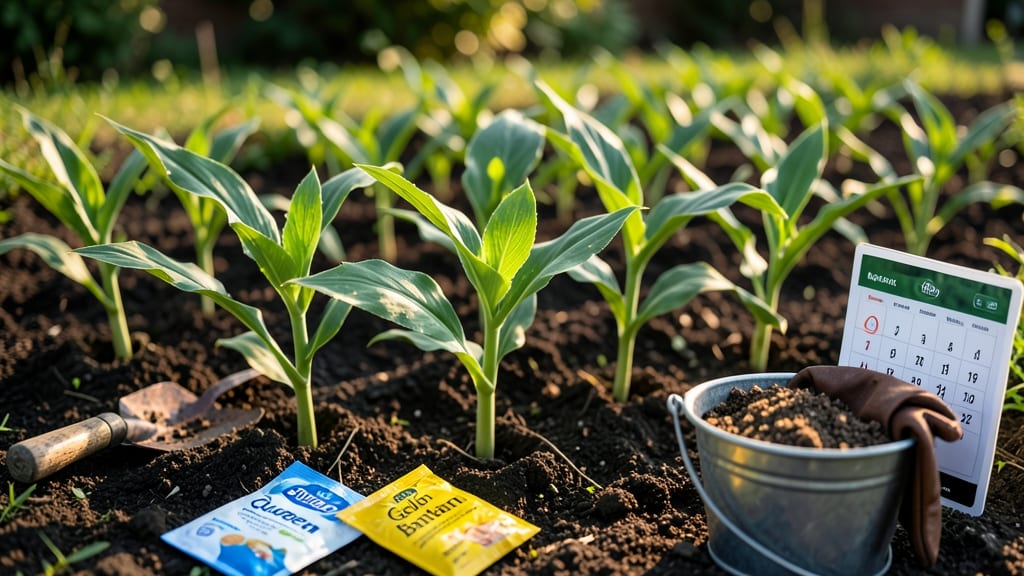
Planting your garden at the right time in Iowa isn't just about following a calendar—it's about unlocking the full potential of your 🌱 Garden before unpredictable Midwest weather throws a curveball.
The average last frost date can vary by up to 2 weeks between northern and southern counties, meaning planting too early in Zone 4 could leave your seedlings vulnerable, while waiting too long in Zone 5 might shorten your harvest window.
I've spent years tracking Iowa's frost patterns, and the key to success lies in understanding your specific county's timeline. Whether you're growing heat-loving tomatoes or cool-season spinach, knowing when to plant ensures you avoid the heartbreak of frost damage or wasted space.
Let me walk you through the exact dates and strategies that work for Iowa gardeners.
What most gardeners don't realize is that soil temperature matters just as much as air temperature. Planting too soon when the ground is still cold can stunt root growth, while waiting for perfect conditions might mean missing your ideal planting window.
I'll show you how to check soil warmth and adjust your schedule for maximum yield.
From early spring peas to late-season kale, we'll cover the best planting windows for every major crop in Iowa. You'll learn how to use row covers to extend your season, which varieties thrive in Iowa's climate, and how to create a planting calendar tailored to your specific location.
Let's get your garden off to the best possible start!
Iowa last frost dates by county: the critical timeline for planting
Iowa's last frost dates vary dramatically by county, with southern regions like Appanoose and Lee often seeing frost-free conditions by April 15, while northern areas like Winneshiek or Winnebago may wait until May 10.
These dates determine when to plant warm-season crops like tomatoes and peppers versus cool-season crops such as spinach or peas. The first frost in fall also shifts—southern Iowa can extend harvests until October 20, while northern counties may face frost by September 25.
For precision, I rely on Iowa State University Extension data, which categorizes counties into early, mid, and late frost zones. For example, Adair County (early zone) has an average last frost date of April 20, while Plymouth County (late zone) typically sees its last frost around May 5.
This 15-day difference can mean the difference between a thriving garden and lost seedlings.
Here’s how I use these dates: Cool-season crops (like lettuce or radishes) go in 4–6 weeks before the last frost, while warm-season crops (tomatoes, peppers) wait until 2 weeks after the last frost. Fall planting for crops like kale or carrots starts 6–8 weeks before the first frost.
Adjusting for microclimates—like urban heat islands or river valleys—can shift these windows by a week or more.
🌱
To find your county’s exact dates, I recommend using the Iowa State University’s Frost Date Calculator or checking your local agricultural extension office.
For example, Des Moines (Polk County) falls in the mid-zone, with a last frost around May 1, while Cedar Rapids (Linn County) is slightly earlier at April 28.
These nuances help me avoid planting tomatoes too soon in northern Iowa, where late frosts can still occur in early May.
For urban gardeners, city heat can push last frost dates 3–5 days earlier than rural areas. I’ve noticed this firsthand in Davenport, where my south-facing raised beds often warm up faster than neighboring yards.
Conversely, river valleys like the Mississippi River corridor can delay last frosts by a week due to moisture retention. Always scout your garden’s microclimate by monitoring soil temperatures—aim for 50°F for cool crops and 60°F+ for warm crops.
Another pro tip: Use frost-sensitive plants like marigolds or basil as natural indicators. If they survive overnight, your risk of frost has dropped significantly.
For high-value crops like peppers or eggplants, I err on the side of caution and wait until two weeks after the average last frost date, even if the soil is warm. This extra buffer accounts for Iowa’s unpredictable late frosts, which can still occur in early June.
🌿
Understanding these frost dates also helps with fall planting. In southern Iowa, I can direct-sow spinach or radishes as late as September 15, while northern gardeners should finish by August 20 to avoid frost damage.
For perennials like asparagus, I plant crowns in early spring (March–April) to establish roots before summer heat, or in early fall (September) to avoid winter stress.
Finally, don’t overlook historical weather patterns. I cross-reference 10-year averages with real-time forecasts from the National Weather Service to fine-tune my planting schedule.
For instance, if the forecast predicts a cold snap in late April, I delay planting cucumbers or squash until after May 10, even if the soil is ready. This flexibility is key to Iowa gardening—where one week can make or break your harvest.
☀️
How to adjust planting dates for Iowa’s unpredictable weather patterns
Iowa’s weather is famously unpredictable—one day brings 60°F sunshine, the next delivers a 28°F frost. As a gardener here, I’ve learned that rigid planting schedules fail when Mother Nature throws curveballs.
The key is flexibility: adjusting your timeline based on soil temperature, microclimates, and real-time weather forecasts. Even a 10-day delay can mean the difference between a bumper crop and wasted seeds.
Start by using the Iowa State University frost-free date calculator (available online) to get a baseline. But don’t stop there—check your local USDA Zone 4 or 5 guidelines, then tweak based on your yard’s unique conditions.
Urban areas like Des Moines often warm up faster than rural counties, while river valleys can linger cold longer. I’ve seen 3-week differences in frost dates just 20 miles apart.
🌱 5 Critical Adjustments for Iowa’s Weather
- 1. Soil Temperature > Air Temperature: Use a soil thermometer—roots need 50°F+ for warm-season crops like tomatoes, even if air feels warm.
- 2. Row Covers Extend Spring: Add floating row covers to protect seedlings 2–3 weeks earlier than official last frost dates.
- 3. Cold-Hardy Varieties: Choose ‘Early Girl’ tomatoes or ‘Sugar Sprint’ peas for faster maturity if frost threatens.
- 4. Succession Planting: Sow lettuce or radishes every 2 weeks to hedge against late frosts.
- 5. Fall Planting Deadline: Stop sowing warm-season crops 6–8 weeks before first frost (usually mid-September in Zone 4).
One common mistake? Planting peppers or basil too early because the air feels warm. These heat-lovers need 70°F+ soil—wait until late May in most of Iowa. I once lost a $50 seed packet of jalapeños by planting them in early April. Lesson learned: Patience wins.
For cool-season crops like spinach or kale, you can plant 4–6 weeks before last frost—they thrive in 40–50°F soil. But if a hard freeze (-10°F+) is forecasted, cover them with lightweight blankets or straw.
I’ve harvested frost-sweetened kale after a -5°F night—it’s delicious and tougher than unfrosted leaves.
Pro tip: Sign up for local weather alerts (like the National Weather Service’s Iowa office) and use frost prediction tools like The Old Farmer’s Almanac. In 2022, a late-May frost hit parts of northern Iowa—gardeners who’d planted tomatoes too soon lost their entire crop.
The difference between success and failure? Staying 2 weeks ahead of the calendar.
Finally, don’t forget fall planting. Many crops (like garlic and carrots) need 6–8 weeks of cool weather to mature. Plant them 6 weeks before first frost, and you’ll have a harvest even when snow flies.
My October-planted garlic always outperforms spring-sown bulbs—proof that Iowa’s short season can still deliver big rewards with the right timing.