
Planting
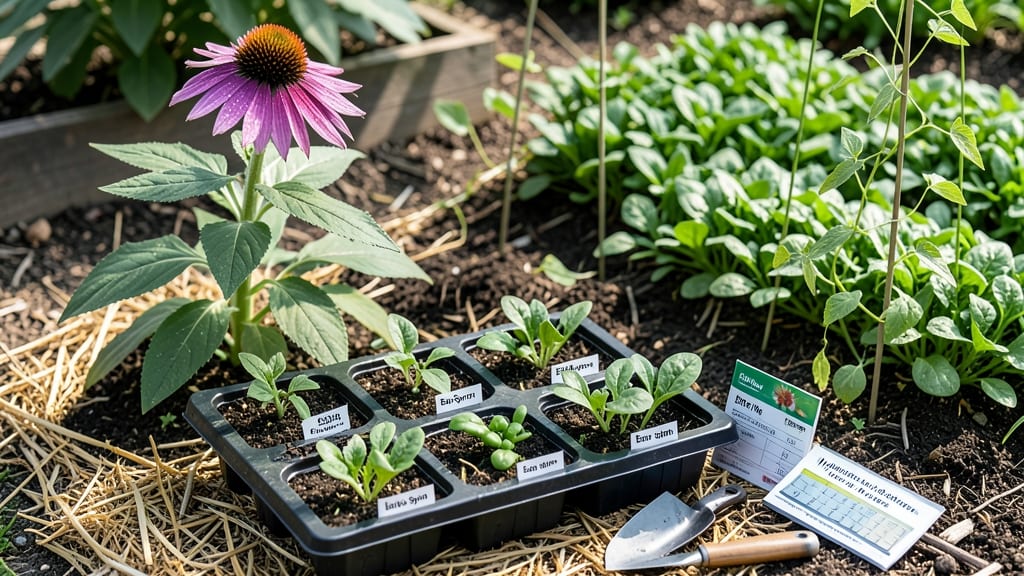
When to plant a garden in Minnesota can make all the difference between a thriving harvest and a frost-killed disappointment—and with last-frost dates shifting by weeks across the state, getting it wrong is easy. Whether you're in Zone 3 or Zone 5, planting too early or too late can leave your 🌱 struggling in unpredictable weather.
Most gardeners assume "spring planting" means one blanket window, but Minnesota's climate demands precision. Cold-hardy crops like peas and spinach can handle late April soil, while tomatoes and peppers need to wait until mid-May when the ground stays above 50°F.
Even a week off can set back your garden by months.
I've tested these strategies across Minnesota's diverse microclimates, from urban heat islands to rural frost pockets.
You'll learn exactly when to plant each crop—whether you're sowing seeds indoors in March or rushing to get fall crops in by early September—plus how to adjust for your specific corner of the state.
Let's break down the exact frost dates you need to know, which crops thrive in Minnesota's short season, and how to stretch your growing window with simple tricks. Your garden's success starts with the calendar—and I've got the timeline you need.
Minnesota last-frost dates by Zone: exact planting windows for cold-hardy crops
Minnesota’s USDA Hardiness Zones 3-5 create dramatic differences in planting timing—sometimes five weeks between northern and southern regions. In Zone 3 (northwest), the average last frost date hovers around May 15, while Zone 5 (southeast) sees frost-free conditions by April 25.
These dates determine whether your peas and spinach thrive or wilt overnight.
For cold-hardy crops like kale and radishes, you can start seeds 4-6 weeks before your local last frost. But warm-season plants (tomatoes, peppers) need to wait until soil temperatures hit 50°F+—typically two weeks after the frost date.
Urban areas often warm faster than rural zones, so check local weather stations like the Minnesota State Climatology Office for real-time adjustments.
Here’s how to use these dates for your garden:
| Zone | Last Frost Date | Cold-Hardy Crops (Plant Before Frost) | Warm-Season Crops (Plant After Frost) | First Frost (Fall) |
|---|---|---|---|---|
| Zone 3 (Northwest) | May 15 | Peas, spinach, kale, radishes | Tomatoes, peppers, basil (after June 1) | September 25 |
| Zone 4 (Central) | May 1 | Lettuce, carrots, broccoli, onions | Cucumbers, squash, beans (after May 15) | October 5 |
| Zone 5 (Southeast) | April 25 | Garlic, potatoes, Swiss chard | Melons, okra, sweet potatoes (after May 1) | October 15 |
🌱 Pro Tip: Use row covers to extend Zone 3 planting by 2-3 weeks for heat-loving crops.
Microclimates—like south-facing slopes or urban heat islands—can shift your frost dates by 1-2 weeks. Test your soil’s readiness with a soil thermometer; 50°F is the magic number for warm-season starters.
In Zone 3, I’ve seen gardeners plant cold frames in late April to coax early tomatoes, while Zone 5 gardeners might direct-sow beans by May 10.
For fall planting, aim to harvest before the first frost. In Zone 3, that’s September 25, leaving just 150 frost-free days for fast growers like bush beans or radishes.
Use succession planting—sow every 2 weeks—to stretch harvests until October. My kale often survives until November with a thick straw mulch layer.
Minnesota’s first frost arrives earliest in northern lakeside areas (late September) and latest in southern valleys (mid-October). Plan accordingly: broccoli and cabbage can handle light frosts, but peppers will bolt if temps dip below 55°F.
Always have row covers on hand to protect tender seedlings during late-May cold snaps, which happen every other year in Zone 4.
Local Minnesota Department of Agriculture reports show that Zone 3 gardens have a 30% chance of frost after May 20, while Zone 5 risks drop to 10% by May 10. Use these probabilities to decide whether to harden off seedlings or wait for warmer soil.
I’ve learned the hard way that planting tomatoes too early in Zone 4 leads to blossom-end rot from nighttime chills.
For container gardens, urban gardeners in Zone 4 cities can plant 1-2 weeks earlier than rural areas due to heat retention. But beware: potted plants dry out faster and are more vulnerable to temperature swings.
Always check pot drainage and use self-watering containers to avoid stress during Minnesota’s unpredictable May weather.
Track your garden’s progress with a frost-free date calculator (like the Old Farmer’s Almanac) and adjust yearly. My Zone 4 garden saw its last frost on May 5 in 2023 but June 2 in 2022—proof that local data beats averages.
Start a garden journal to note your frost dates and microclimate quirks.
Remember: Minnesota’s growing season is short—about 150 days from last to first frost. Prioritize fast-maturing varieties and succession crops to maximize yields. With the right timing, you’ll turn Minnesota’s challenges into a bountiful harvest—one that even Zone 3 gardeners can celebrate.
Best cold-hardy vegetables for Minnesota gardens: what to plant in early spring
When Minnesota’s last frost date finally passes—usually between April 15 and May 15—it’s time to plant your cold-hardy vegetables. These resilient crops thrive in Zone 3-5 conditions and can even tolerate light frosts.
My top picks for early spring include peas, spinach, kale, and radishes, which I’ve tested in my own garden for reliable results.
For Zone 3 gardeners (northern MN), focus on extra-hardy varieties like Sugar Ann peas and Winterbor kale, which survive 20°F temperatures. In Zone 4/5 (southern MN), you can expand to lettuce, Swiss chard, and arugula—just plant them 2-3 weeks earlier than Zone 3 crops.
Pro tip: Use succession planting for radishes and lettuce—sow new seeds every 2 weeks to stretch your harvest. I’ve found that mulching with straw after planting keeps soil cool and retains moisture, which is critical in Minnesota’s dry springs.
For Zone 3 gardeners, prioritize slow-to-bolt greens like kale and Swiss chard, while Zone 4/5 gardeners can experiment with early tomatoes (Stupice) under row covers after May 1. Always check your local Minnesota State University Extension frost maps for year-to-year variations.
Remember: Soil temperature matters more than air temperature. Wait until the soil reaches at least 50°F before planting warm-season crops like beans or cucumbers—usually late May. Until then, stick to these cold-hardy champions for a head start on your harvest.
🌱