
Plants
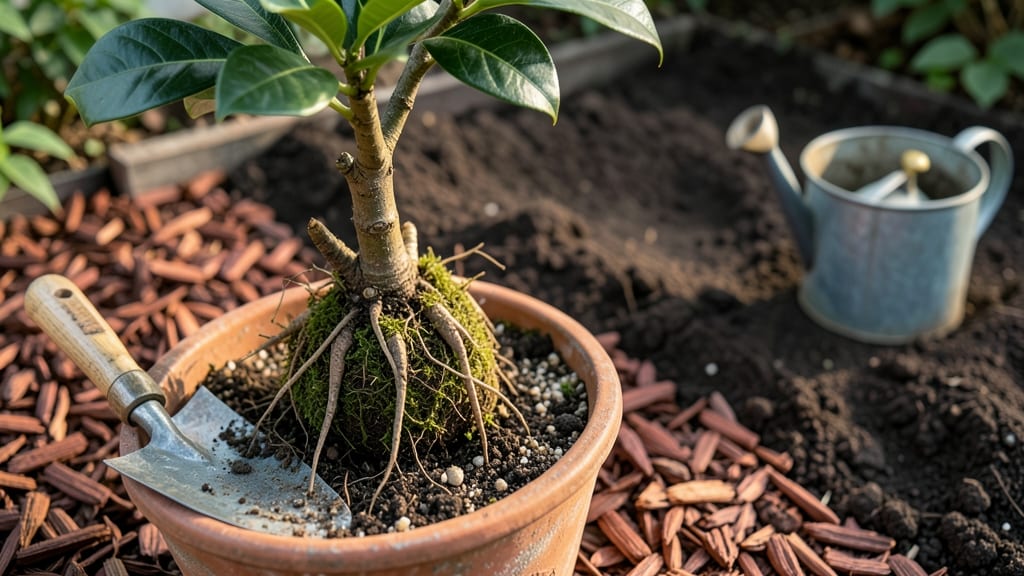
Planting your 🌸 gardenia at the wrong time in North Carolina could mean the difference between a thriving shrub and a sad, frost-bitten loss—especially in zones 7a-8b where late frosts linger into April.
The key isn’t just waiting for spring; it’s knowing the exact window when soil warms enough to protect those delicate roots while avoiding the 3 PM heat that can stress young plants.
Most gardeners in NC make one of two mistakes: planting too early in February when frost still lurks, or waiting until May when the shrubs miss their prime growing window. I’ve learned the hard way that timing isn’t just about the calendar—it’s about reading your microclimate.
Coastal areas might be safe by March 15, while Piedmont zones often need to wait until April 1.
What if you could plant your gardenia and guarantee it survives the first year? That’s the goal here: a foolproof guide to choosing the right moment, whether you’re dropping a potted plant into the ground or starting from bare roots.
We’ll cover soil prep, frost protection, and even how to tell if your gardenia is truly ready to go in.
By the end, you’ll know not just when to plant, but how to give your gardenia the best shot at becoming that fragrant, blooming centerpiece of your NC yard—without the guesswork. Let’s get those roots in the ground the right way.
North Carolina frost zones & exact planting months for gardenias
North Carolina’s USDA zones 7a-8b create distinct planting windows for gardenias, where timing directly impacts survival. In zone 7a (western mountains), your last frost typically hits March 20-25, while zone 8b (coastal areas) enjoys frost-free soil by March 5-10.
Planting too early in zone 7a risks frost damage, while coastal gardeners can start 2 weeks earlier.
For zero-frost risk, aim to plant gardenias between mid-March and mid-April across most of NC. This window gives roots time to establish before summer heat arrives. Coastal gardeners in zone 8a/b can push planting to late February if soil temps stay above 60°F.
Gardenias thrive in warm soil—wait until soil temperatures reach 65°F+ at 4 inches deep. Use a soil thermometer to verify; cold soil slows root growth by 50%.
In Piedmont regions, this usually aligns with late March, while mountain zones may need to wait until early April.
Here’s your zone-by-zone planting calendar for NC gardenias, including frost dates and ideal windows:
| USDA Zone | Last Frost Date | Ideal Planting Window | Soil Temp Requirement | Key Microclimate Note |
|---|---|---|---|---|
| 7a (Mountains) | March 20-25 | Late March - Early April | 65°F+ | Cooler nights; mulch heavily |
| 7b (Piedmont) | March 10-15 | Mid-March - Late March | 65°F+ | Moderate humidity; watch for fungal risks |
| 8a (Coastal) | March 5-10 | Late February - Mid-March | 60°F+ | High humidity; improve drainage |
| 8b (Coastal) | February 25 - March 5 | Late February - Early March | 60°F+ | Warmest zone; monitor for heat stress |
If you’re in zone 7a, avoid planting before April 1—even if soil looks warm, a late frost can kill tender gardenia roots. For container gardenias, you can plant 2 weeks earlier since pots warm faster, but still monitor soil temps.
Coastal gardeners in zone 8b have the most flexibility, but don’t rush—soil prep takes 2-3 weeks before planting.
Pro tip: Use black plastic mulch to warm soil faster in cooler zones. Lay it down 2 weeks before planting to raise soil temps by 5-10°F. This trick lets mountain gardeners plant 1-2 weeks earlier without frost risk. Just remove it after planting to avoid overheating roots.
For maximum blooms, time your planting to align with NC’s humid summer kickoff (mid-May). Gardenias planted in late March-April enter their growth phase just as humidity rises, reducing transplant shock. In drought-prone Piedmont, prioritize planting by April 15 to ensure deep root establishment before summer dry spells.
Remember: Gardenias are not frost-tolerant—even young
Signs your gardenia is ready for planting (and 3 critical pre-planting checks)
Before you dig that hole for your 🌸 gardenia, take a moment to check if your plant—and your soil—are truly ready. I’ve planted gardenias in NC’s 7b zone only to watch them struggle because I missed these three key signs.
A gardenia that’s not ready will wilt, drop buds, or even die back within weeks of planting. The good news? These checks take less than 10 minutes and could save your shrub from a slow, miserable death.
First, examine the root system. Healthy gardenia roots should be white or light tan, firm to the touch, and free of mushy spots or blackened areas.
If you see dark, slimy roots, your plant has been overwatered or is rotting—time to repot it in fresh, well-draining soil before attempting to plant outdoors. Roots that are dry and brittle? Soak the plant in water for 24 hours to rehydrate them gently.
🌱 Did You Know?
Next, check the buds and leaves. Your gardenia should have at least 3-5 healthy buds showing signs of swelling—these indicate the plant is breaking dormancy and ready to grow.
If buds are still tight and green, the plant isn’t ready; if they’re already opening, you’ve got a 2-week window to plant before they drop. Also, look for dark green, glossy leaves. Yellowing or crispy edges? That’s a sign of stress, often from low humidity or over-salty soil.
Finally, test your soil temperature—this is the most critical check. Gardenias won’t thrive in cold soil. Use a soil thermometer (or your elbow—if it feels colder than your wrist, wait). Ideal soil temps for planting are 60°F or above.
In NC’s Piedmont region, this usually means waiting until mid-April, while coastal areas might hit this mark by late March. Pro tip: Mulch your planting area 2-3 weeks before to warm the soil faster.
Here’s the 3-step pre-planting checklist I swear by:
- Roots: White/tan, firm, no rot
- Buds: 3+ swollen buds, dark green leaves
- Soil: 60°F+, well-draining, pH 5.0-6.0
Skipping these checks is how you end up with a gardenia that looks like it’s gasping for air all summer. Trust me—I’ve been there. But when you nail these three signs, your gardenia will take off like a rocket, blooming within its first year.
Now, let’s talk about how to give it the perfect home once it’s in the ground.