
Plants
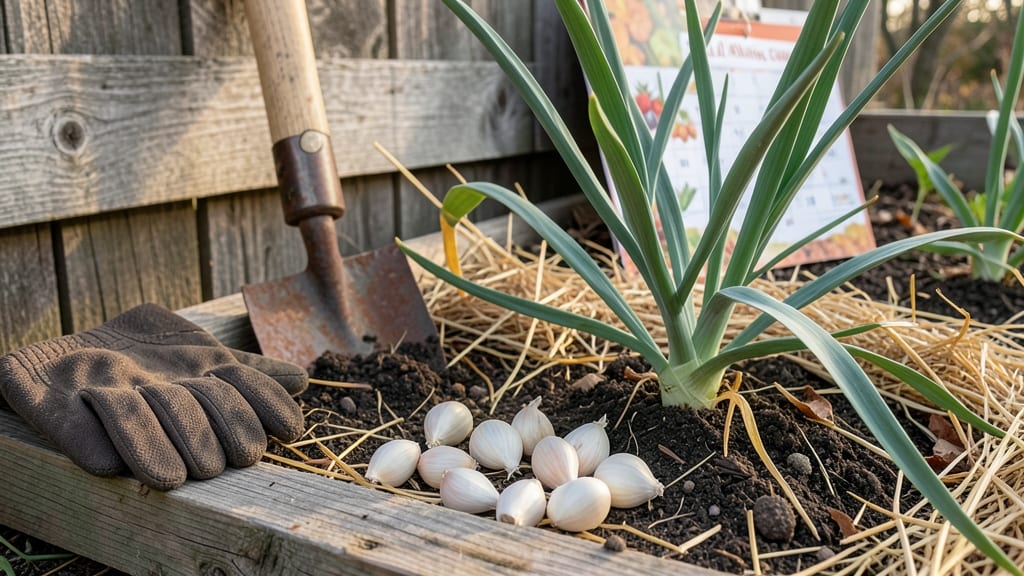
Planting garlic in Delaware at the wrong time can mean the difference between a bumper crop of 🧄 and wasted effort—especially when you’re working with hardneck varieties that need cold winters to form bulbs.
The key window for success is narrow, and missing it by even a few weeks can leave your garlic struggling to establish roots before the ground freezes.
In Delaware’s USDA Zone 7a, fall is the only time to plant garlic, with the ideal window stretching from mid-October through mid-November. This timing ensures the cloves have 4-6 weeks to root before winter dormancy sets in.
If you wait too late, frost can heave the bulbs out of the soil, while planting too early gives them too much time to sprout before cold weather arrives.
Why does this matter? Because garlic planted at the right time in Delaware develops stronger roots, better bulb size, and higher yields come harvest season. I’ll walk you through the exact steps—from soil prep to spacing—to make sure your garlic thrives from planting to harvest, even in Delaware’s variable climate.
Whether you’re a first-time gardener or a seasoned grower, getting the timing right is the most important factor. Let’s break down how to nail it for your Delaware garden.
Delaware’s ideal garlic planting window: fall deadlines by variety
Delaware’s USDA Zones 6b-7a create the perfect balance for growing hardneck garlic, but timing is everything. The 4-6 week window before the ground freezes—typically mid-October to mid-November—lets garlic establish roots before winter dormancy. Plant too late, and you risk frost heave or stunted growth.
For Delaware gardeners, the optimal planting window is between October 15 and November 15. This aligns with soil temperatures dropping below 50°F (10°C), signaling garlic to start rooting.
Coastal areas like Rehoboth Beach may extend this window slightly due to milder microclimates, while inland regions like Wilmington should plant earlier.
Here’s the golden rule: Garlic needs 6-8 weeks of root development before winter sets in. If you miss the November 15 deadline, consider spring planting (though yields may be smaller). Use this summary-table to align your planting with Delaware’s climate zones and variety needs.
| Variety | Ideal Planting Window | Soil Temp Threshold | Notes for Delaware |
|---|---|---|---|
| Hardneck (Rocambole, German White) | Oct 15–Nov 15 | Below 50°F (10°C) | Best for cold winters; needs vernalization. |
| Softneck (Artichoke) | Sep 15–Oct 30 | Above 60°F (15°C) | Rare in DE; plant early for mild winters. |
| Elephant Garlic | Oct 1–Nov 10 | Below 55°F (13°C) | Larger cloves; plant slightly earlier. |
If you’re a late starter, don’t panic. You can still plant garlic in early December, but expect smaller bulbs and slower growth. Use row covers or mulch heavily to insulate the soil.
For coastal Delaware, where winters are milder, you might push the deadline to late November—but monitor soil temperatures closely.
Delaware’s clay-heavy soils can slow root growth, so amend with compost before planting. Aim for a pH of 6.0–7.0 and ensure well-draining beds.
Hardneck varieties like ‘German White’ or ‘Rocambole’ thrive in these conditions, while softneck garlic (like ‘Silverskin’) is less common but can work in southern Delaware’s warmer microclimates.
Pro tip: Break apart garlic bulbs into individual cloves and plant them 2 inches deep, 4–6 inches apart, with 8 inches between rows. This spacing prevents disease spread and ensures each clove gets enough nutrients.
Label your rows now—garlic takes 9–10 months to mature, and you’ll want to remember where you planted!
After planting, mulch with straw to protect cloves from frost heave and retain moisture. In January–February, you’ll see green shoots emerge—this confirms your garlic is established. Avoid fertilizing until spring, when shoots reach 6 inches tall. Over-fertilizing now can lead to foliar diseases like rust.
Delaware’s humid summers mean garlic harvests typically occur in late July–August. Watch for lower leaves turning brown and bulbs firming up—these are your cues to dig.
Cure harvested garlic in a shady, dry place for 2–3 weeks before storing. With the right timing, you’ll enjoy plump, flavorful bulbs straight from your Delaware garden!
🌱
Delaware’s ideal garlic planting window: fall deadlines by variety
Delaware’s USDA Zone 7a climate creates the perfect conditions for growing hardneck garlic, but timing is everything. The ideal planting window is between October 15 and November 15, when soil temperatures drop below 60°F but haven’t yet frozen.
This ensures garlic cloves establish roots before winter dormancy begins. Planting too early risks premature sprouting, while late planting may leave bulbs vulnerable to frost heave.
For Delaware gardeners, the first frost typically arrives around November 15, so aim to plant at least 4-6 weeks before this date. If you miss the window, you can still try planting in early December, but yields may suffer.
Hardneck varieties like Rocambole and German White thrive in Delaware’s climate, while softneck types are less common due to their longer growing season needs.
Soil temperature is your best guide—use a soil thermometer to confirm it’s between 40°F and 60°F before planting. Cooler temperatures slow garlic growth, preventing early sprouting and ensuring energy is directed toward root development. If your soil is still warm in late November, hold off until conditions align.
🌱 Delaware Garlic Planting Timeline
| Stage | Action | Notes |
|---|---|---|
| Soil Prep | Test pH (6.0-7.0), amend with compost | Delaware’s clay soil needs organic matter |
| Planting Window | October 15–November 15 | Avoid frost heave by planting early |
| Depth | 2 inches, pointy-end up | Cloves need space to root |
| Spacing | 4–6 inches apart, rows 12 inches apart | Prevents disease and improves airflow |
| Winter Care | Mulch with straw (4–6 inches) | Insulates roots from freeze-thaw cycles |
Delaware’s coastal regions (like Sussex County) often experience milder winters, allowing for a slightly later planting window—up to December 1—while inland areas (New Castle County) should stick to the October-November deadline.
If you’re unsure about your local frost date, check the Delaware Climate Office for historical data tailored to your area.
Once planted, garlic enters dormancy and won’t sprout until spring. In Delaware, shoots typically emerge in March or April, signaling the start of active growth. During this time, focus on weed control and light fertilization (like a balanced 10-10-10) to support bulb development.
Avoid heavy nitrogen, which encourages leafy growth at the expense of bulb size.
Harvest time in Delaware usually falls between July and August, when lower leaves turn brown and crispy. At this stage, the bulbs are fully formed and ready for curing. If you miss the harvest window, bulbs may split or rot in the ground.
Keep an eye on your garlic beds and act quickly when you see these signs—timing is everything! 🧄