
Plants
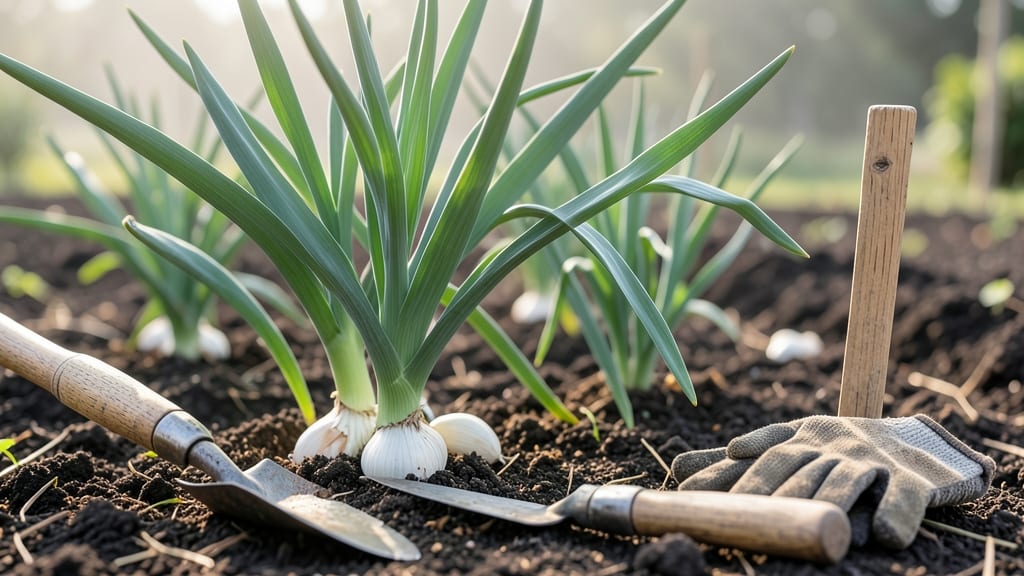
Timing your spring garlic planting in North Carolina can make or break your harvest—especially when those unpredictable March winds shift between frost and warmth. Unlike fall planting, spring garlic 🧄 thrives when soil temperatures hit 40°F but stay above freezing, a delicate window that varies across zones 7a-8b.
Most gardeners in NC rush to plant too early, only to watch their cloves rot in cold soil. The sweet spot is late February to early March, but even that shifts depending on your county’s last frost date—think March 15 on average, but always check local forecasts.
Here’s the game-changer: hardneck varieties (like Rocambole) need 100-120 days to mature, while softnecks (like Silverskin) take longer. Planting at the right time ensures bulbs form before summer’s heat zaps their energy.
I’ll walk you through exact weeks for your zone, soil prep tricks, and how to adjust if Mother Nature throws a curveball. Let’s get those cloves in the ground the right way.
Best planting weeks for garlic in NC’s spring zones (5a-8a)
North Carolina’s spring garlic planting success hinges on hardiness zones and soil temperatures. Unlike fall planting, spring garlic requires warmer soil (at least 40°F) to sprout reliably.
Most NC gardeners fall into USDA Zones 5a-8a, where timing shifts from late February in Zone 8a to early April in Zone 5a.
For hardneck varieties (like Music or German White), aim for 4-6 weeks before your last frost date.
In NC, this typically means mid-March in the mountains (Zone 5a) to early March in the Piedmont (Zone 7a). Softneck varieties (like Silverskin) tolerate slightly later planting but still need consistent warmth.
Soil temperature is your best guide. Use a soil thermometer to confirm readings of 40°F or higher at 4-inch depth. If temperatures dip below 32°F after planting, cover with mulch to protect emerging shoots. Mountain regions (Zone 5a-6a) often face delays, while coastal areas (Zone 7b-8a) can plant earlier.
Here’s how NC’s microclimates affect timing:
- Western NC (Asheville, Boone): Wait until late March due to late frosts.
- Central NC (Raleigh, Greensboro): Plant by early March for optimal bulb size.
- Eastern NC (Wilmington, Outer Banks): Start as early as mid-February if soil warms quickly.
🌱 NC Garlic Planting Timeline by Zone
| Zone | Ideal Planting Window | Soil Temp Requirement | Notes |
|---|---|---|---|
| 5a (Mountains) | Late March – Early April | 40°F+ at 4" | Use mulch for frost protection |
| 6a (Piedmont) | Early March – Mid-March | 40°F+ at 4" | Hardnecks preferred |
| 7a (Coastal) | Mid-February – Early March | 38°F+ at 4" | Softnecks tolerate earlier planting |
| 8a (Outer Banks) | Late February – Early March | 40°F+ at 4" | Longer growing season |
💡 Pro Tip: Check your local frost dates via NC State Extension for precision.
Spring-planted garlic in NC rarely matches fall-planted bulbs in size or flavor, but it’s still productive. Hardneck varieties (like Rocky Mountain) perform best in cooler spring climates, while softnecks (like Artichoke) handle warmer coastal springs better.
Always break apart bulbs into individual cloves and plant the pointy end up for consistent sprouting.
If you’re in Zone 7a or warmer, consider interplanting garlic with early spring greens like spinach or peas. The garlic’s slow start won’t compete for space until late March. For Zone 5a gardeners, extend the season with row covers if nights remain chilly after planting.
One common mistake is planting too early when soil is still cold. Dormant cloves won’t sprout until temperatures rise, wasting your planting window.
Test soil with your finger—if it feels cold and damp, wait 1-2 weeks. Warmth triggers germination, so patience pays off for larger bulbs.
For maximum bulb development, aim to harvest by late July.
Spring-planted garlic in NC typically matures 2-3 weeks later than fall-planted garlic, so adjust your schedule accordingly. Hardneck varieties may produce scapes (curly flower stalks) by June, which you should snip and eat to redirect energy to bulb growth.
🌱 Final Tip: Mark your
Best planting weeks for garlic in NC’s spring zones (5a-8a)
North Carolina’s USDA zones 5a-8a create a 4-week window for spring garlic planting, but timing shifts dramatically from the mountains to the coast. In zone 5a (Western NC), aim for late February to early March—soil must reach 40°F+ for roots to establish.
Meanwhile, zone 8a (Eastern NC) can wait until mid-March, thanks to milder winters.
Hardneck varieties like Rocambole need 100-120 days to mature, so planting too late risks smaller bulbs. Softnecks (e.g., Silverskin) take 130+ days, making early planting critical. My rule? Plant by March 15 in most of NC to avoid summer heat stress.
Here’s how your county’s last frost date dictates timing:
| Zone | Best Planting Window | Soil Temp Goal | Variety Fit |
|---|---|---|---|
| 5a (Western NC) | Late February - Early March | 40°F+ | Hardneck (Rocambole, Porcelain) |
| 6a (Piedmont) | Early March - Mid-March | 45°F+ | Hardneck or Softneck |
| 7a (Coastal Plain) | Mid-March - Early April | 50°F+ | Softneck (Silverskin, Artichoke) |
| 8a (Outer Banks) | Late March - Early April | 55°F+ | Softneck (Artichoke) |
Pro tip: Use a soil thermometer to confirm temps—cold soil delays sprouting. In zone 5a, I’ve seen cloves rot if planted before 40°F, even if the air feels warm. For zone 8a, wait until April 1 if nights still dip below freezing.
Microclimates matter too! South-facing slopes warm faster than valleys, so adjust your window by 1-2 weeks if your garden sits in full sun. Container growers? Start indoors in late February under grow lights, then transplant after last frost.
Remember: Spring garlic bulbs won’t match fall-planted giants, but with the right timing, you’ll still harvest 3-4 cloves per bulb—perfect for summer recipes. The key? Plant early, but don’t rush—your garlic’s future depends on it 🌱.