
Plants
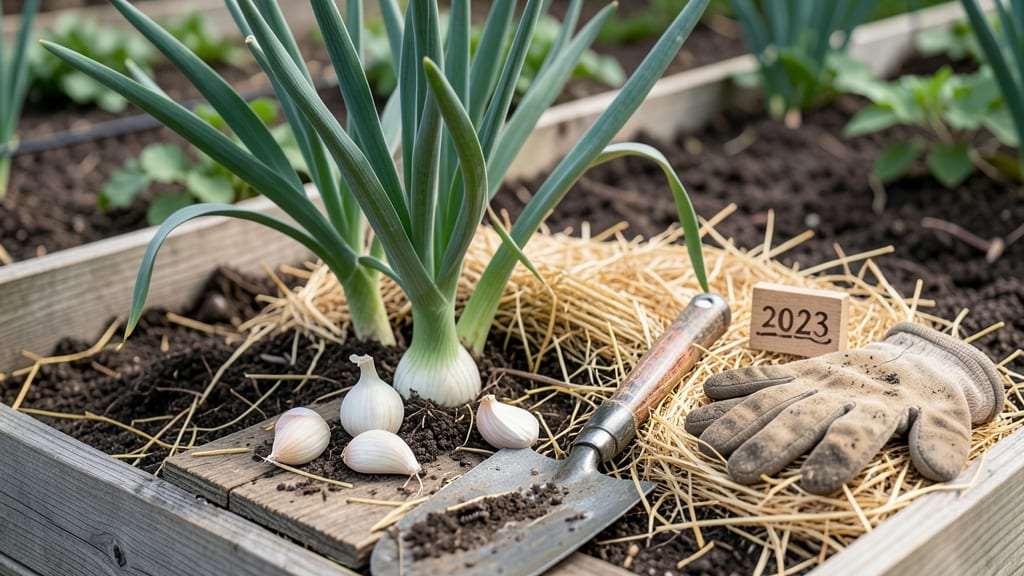
Planting garlic in the spring might seem straightforward, but timing this cold-hardy crop wrong can mean the difference between a bountiful harvest and a total flop.
Unlike traditional spring vegetables, garlic thrives when planted before the soil warms up—ideally, you want to get those cloves in the ground as early as February or March, depending on your zone.
Most gardeners assume spring means March or April, but for 🧄 garlic, "spring planting" actually refers to the window before summer heat sets in. In USDA Zone 6a (like mine), that means planting as soon as the ground is workable, often while snow still lingers.
The key is to beat the soil warming past 50°F, which triggers premature sprouting and weak bulbs.
Why does this matter? Because garlic grows best in cool weather, forming strong roots before the heat of summer. If you wait until true spring arrives, you might miss the boat—literally. Late plantings often result in small, pungent bulbs that lack the flavor and size of properly timed harvests.
Don’t worry, though—I’ll walk you through exactly when to plant in your specific zone, how to prep the soil, and the 3 critical mistakes that sabotage even the most well-intentioned gardeners. Let’s get those cloves in the ground the right way.
Best spring planting window for garlic by USDA hardiness zones
Most gardeners know garlic thrives when planted in fall, but spring planting is absolutely possible—especially for cold-hardy varieties like Rocambole or Purple Stripe. The key is understanding your USDA zone and adjusting timing to match your last frost date.
In Zones 3-5, you have a wider window, while Zones 6-10 require earlier action to avoid summer heat stress.
Garlic needs 6-8 weeks of cool soil temperatures (below 70°F) to establish roots before summer heat arrives. Planting too late in spring can lead to bolting (premature flowering) or small, weak bulbs.
For best results, aim to plant when soil temps hover around 50-60°F—this usually means late February to early April in most regions.
Here’s how to determine your perfect planting window based on your zone:
If you’re in a warmer zone (7-10), spring planting is trickier because garlic struggles with summer heat. To mitigate this, plant in a shady spot or use drip irrigation to keep soil consistently moist.
In cooler zones (3-6), focus on soil preparation—garlic loves well-draining, slightly acidic soil with plenty of organic matter.
Pro tip: Use a soil thermometer to check temps before planting. Garlic cloves won’t sprout until soil reaches 40°F, but roots need those 50-60°F temps to establish properly. If your soil is still cold, wait a few weeks—patience pays off with bigger bulbs!
One common mistake is assuming "spring" means March or April. For cold-hardy varieties, "spring planting" often means planting in late winter (January-February) to give roots time to grow before summer. In Zone 5, for example, planting in early February gives you a 6-month growing window before harvest.
For gardeners in Zone 6 and below, aim to plant garlic 4-6 weeks before your last frost date. This ensures cloves have time to root deeply before summer heat arrives.
In Zone 7+, you’ll need to plant earlier—sometimes as early as January—to avoid bolting. Always check your local frost dates and adjust accordingly.
If you’re unsure about your zone, use the USDA Plant Hardiness Zone Map to find your exact location. Even a 1-zone difference can shift your planting window by 2-4 weeks.
For example, a gardener in Zone 5b might plant in late February, while one in Zone 6a should wait until early March.
Remember, garlic planted in spring won’t mature as large as fall-planted garlic, but with the right variety and care, you can still harvest flavorful, usable bulbs.
The key is to choose hardneck varieties, plant at the right depth (2 inches deep), and keep the soil moist but not soggy.
For extra insurance, consider planting a small test batch a few weeks early. This helps you gauge how your soil and climate respond to spring garlic. If the test batch thr
Best spring planting window for garlic by USDA hardiness zones
Spring planting for garlic isn’t about waiting for warm weather—it’s about beating the heat. The ideal window is when soil temperatures stay below 50°F, typically February to early April, depending on your USDA zone.
In colder zones (3-5), you can plant as early as February, while warmer zones (8-10) should aim for January to March.
Why? Garlic needs cool weather to establish roots before summer heat triggers premature sprouting. Planting too late—like in May—often results in small, weak bulbs or even no harvest at all. The goal is to give your garlic 6-8 weeks of cool soil before temperatures rise above 70°F.
Here’s the breakdown by zone, including frost timing and soil prep cues:
| USDA Zone | Planting Window | Soil Temp Goal | Key Cue |
|---|---|---|---|
| 3-5 | February–March | Below 45°F | Ground thawed, no frost forecast |
| 6-7 | March–Early April | Below 50°F | Daffodils blooming |
| 8-10 | January–March | Below 55°F | No heatwaves forecasted |
Pro tip: Use a soil thermometer to confirm temperatures. If your soil hits 50°F consistently, it’s time to plant. In my Zone 6a garden, I aim for mid-March—right when crocuses pop up. This gives my garlic enough time to bulb up before summer’s heat arrives.
For late spring plantings (after April), consider shade cloth or container growing to protect bulbs from heat stress. But honestly? The earlier, the better. My best harvests come from cloves planted in February, not May.
Remember: Garlic planted in spring won’t mature as large as fall-planted garlic, but with the right timing, you’ll still get flavorful, usable bulbs. The key is patience—don’t rush the process! 🌱