
Plants
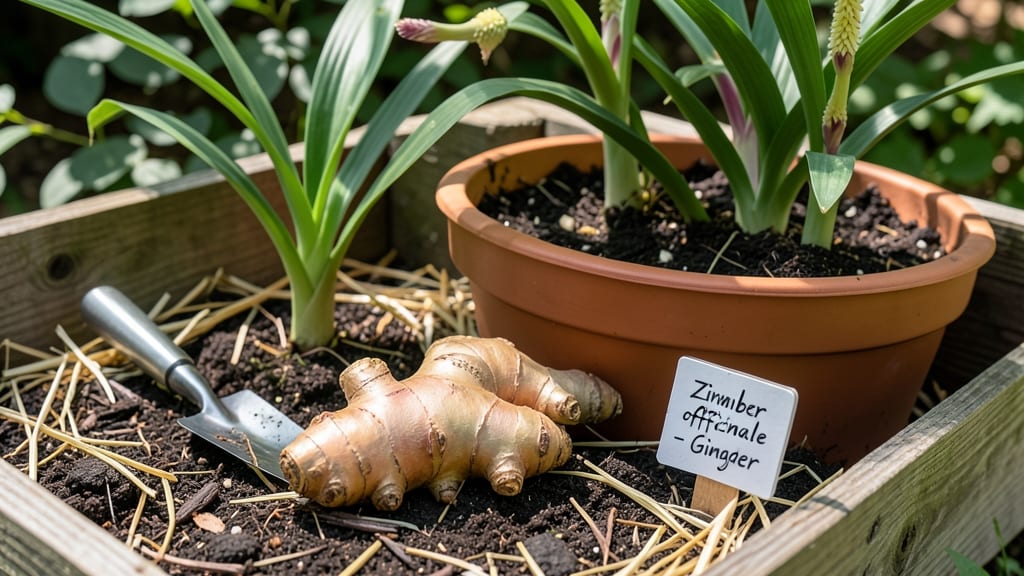
Planting ginger in Zone 9 at the wrong time means waiting a whole extra year for your harvest—unless you know the exact months to start.
Unlike cooler climates, Zone 9’s frost-free winters and scorching summers demand precision, and missing the window can turn your rhizomes into sad, stunted nubs instead of plump, harvest-ready roots.
I’ve grown ginger in Zone 9 for years, and the difference between a failed crop and a bountiful one comes down to timing. The sweet spot?
Late winter to early spring, when soil temperatures hit that golden 60°F range—just warm enough to coax those rhizomes into action without frying them in summer heat.
Here’s the game-changer: Plant in February or March, and you’ll harvest in October or November—just as the weather cools. Skip this window, and you’ll either bake your ginger in summer or risk it bolting before it’s ready. Let’s break down the step-by-step approach to nailing it.
From soil prep to pest watch, I’ll show you how to turn Zone 9’s challenges into your ginger’s greatest advantage. No more guesswork—just reliable harvests, year after year.
Best planting months for ginger in Zone 9: exact timeline for 8-10 month harvests
Zone 9’s frost-free climate means you can grow ginger year-round, but timing matters for the plumpest, most flavorful roots. Unlike cooler zones, ginger thrives best when planted in late winter to early spring—specifically February through April—to align with natural rainfall patterns and avoid summer heat stress.
This schedule ensures an 8-10 month harvest window before the next growing season begins.
Ginger rhizomes need consistent soil temperatures between 70-80°F to sprout reliably. In Zone 9, soil temps naturally hit this range in March and April, making these the ideal planting windows.
Southern California’s coastal areas can plant as early as February, while inland desert regions like Arizona should wait until late March to avoid premature drying.
Here’s the critical timeline for a successful harvest: Plant in February-March → Sprouts in 4-6 weeks → Mature foliage by June → Harvest in October-November. This rhythm lets ginger establish roots before summer’s peak heat, while still maturing before winter’s cooler temps trigger dormancy.
If you miss the spring window, fall planting is possible—but with caveats. Planting in September-October risks slower growth due to shorter daylight hours, and harvests may shrink to 6-8 months. For maximum yield, stick to spring.
Microclimates within Zone 9 add another layer. Coastal areas like San Diego or Miami can push planting to January-February thanks to milder winters, while Phoenix or Tucson should delay until April to avoid extreme heat.
Always check your local last frost date—though Zone 9 rarely sees frost, sudden cold snaps can stunt growth.
🌱 Zone 9 Ginger Planting Timeline
| Stage | Action | Best Months | Soil Temp |
|---|---|---|---|
| Plant Rhizomes | Prepare soil, plant 2" deep | Feb-Apr | 70-80°F |
| Sprouting | Keep soil moist, thin seedlings | Mar-May | 75-85°F |
| Active Growth | Fertilize, mulch, monitor pests | Jun-Sep | 80-90°F |
| Harvest Ready | Yellow leaves, firm rhizomes | Oct-Nov | 70-75°F |
⏰ Pro Tip: Coastal Zone 9 gardeners can extend planting to January for an earlier harvest.
For container growing, adjust timing slightly. Pots heat up faster, so plant 1-2 weeks later than in-ground to avoid stress. Use black plastic pots to retain heat if planting in early February, or opt for terracotta to cool roots in late April plantings.
Regional adjustments matter. In Florida’s humid climate, ginger may bolt (flower) prematurely if planted too early. Delay until mid-March to avoid this. Meanwhile, Arizona’s low humidity means you’ll need to water more frequently after planting in April to prevent rhizome dehydration.
Missed the spring window? Don’t panic. A fall planting in September can still yield roots by January-February, though they’ll be smaller. The key is consistent moisture and protection from winter winds, which can dry out young plants in exposed areas.
Remember: Ginger is a perennial in Zone 9, but most gardeners treat it as an annual for harvests. For continuous yields, stagger plantings every 6-8 weeks from February to May. This ensures fresh ginger roots year-round without waiting for a full cycle.
Your Zone 9 ginger harvest depends on these three critical factors: planting in ideal soil temps, adjusting for local microclimates, and avoiding summer heat stress. Get these right, and you’ll enjoy homegrown ginger in 8-10 months—no waiting years required! 🌱
How to prepare soil and plant ginger rhizomes for maximum yield in Zone 9
Ginger rhizomes thrive in Zone 9 when planted in well-amended, moist soil with partial shade protection—but the devil’s in the details. I’ve learned the hard way that Zone 9’s heat can turn your ginger into a sad, shriveled mess if you don’t prep the soil right.
The key? A loose, humus-rich mix that mimics their tropical roots while ensuring drainage to prevent rot.
Start by choosing a spot with dappled sunlight—ginger hates direct afternoon sun in Zone 9’s intense heat. My best harvests come from planting under mature fruit trees or near a north-facing fence.
If you’re container-growing, pick a large pot (at least 12 inches deep) with drainage holes, because rhizomes need room to spread.
Now for the soil prep: Ginger loves organic matter, so mix compost or well-rotted manure into your garden bed until the soil is dark, crumbly, and slightly acidic (pH 6.0–7.0).
If your soil is sandy, add peat moss or coconut coir to retain moisture. Zone 9’s dry spells will fry ginger roots if they’re not hydrated properly.
⚠️ Zone 9 Planting Mistake: Timing + Soil Combo
Planting ginger in summer (June–August) in Zone 9 is a recipe for failure—rhizomes bolt (flower) before maturing. Even worse? Overwatering in clay soil turns your harvest into mushy sludge. The sweet spot is February–March, when soil temps hit 60–65°F and humidity is higher. If you must plant later, mulch heavily to keep roots cool.
Before planting, soak your ginger rhizomes in lukewarm water for 6–8 hours to kickstart root growth. Then, plant them horizontally, about 2 inches deep, with the buds (eyes) facing upward.
Space them 6–8 inches apart in rows 12 inches apart—this gives roots room to plump up without crowding. In containers, plant 2–3 rhizomes per pot to maximize yield.
Watering is where most Zone 9 gardeners go wrong. Ginger needs consistent moisture, but not soggy soil. After planting, water deeply every 5–7 days, aiming for 1–2 inches of water per week.
Let the top 2 inches of soil dry between waterings to prevent fungal diseases like rhizome rot. In summer, switch to morning watering to reduce evaporation and fungal risks.
Mulch is your secret weapon in Zone 9. Apply a 3-inch layer of straw or wood chips around plants to lock in moisture, regulate soil temps, and suppress weeds. Replenish mulch every 2–3 months to keep it effective.
Avoid synthetic mulches—they can bake the soil and stress your ginger. With this setup, you’ll see sprouts in 2–3 weeks and harvest-ready rhizomes in 8–10 months.
Pro tip: If your Zone 9 summers are extreme (100°F+), provide afternoon shade with a lightweight shade cloth (30–50%). I’ve seen ginger bolt prematurely when stressed by heat—so don’t skip this step if your harvest is worth it. 🌱