
Plants
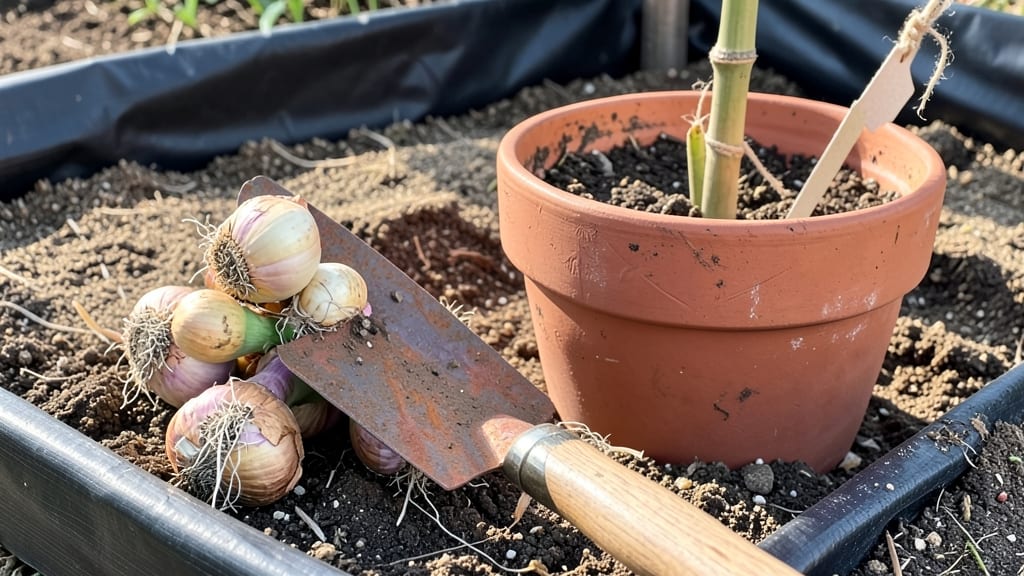
Timing your gladiolus 🌸 bulbs just right in Colorado could mean the difference between a stunning summer display and a frost-killed disappointment—because planting too early risks cold damage, while waiting too long might leave you scrambling for blooms.
In USDA Zones 5-7, the sweet spot for planting these showstopping flowers is mid-April to mid-May, once the soil warms to 60°F and the danger of frost has passed.
But with Colorado’s unpredictable spring swings—especially at higher elevations—getting this window wrong can derail your garden plans before they even begin.
I’ve tested the best strategies for Colorado gardeners, from Denver’s Front Range to the Western Slope, to help you avoid common mistakes like planting too deep or overwatering in dry climates. Whether you’re a first-time grower or a seasoned pro, these insights will ensure your gladioli thrive all summer long.
Let’s dive into the exact planting timeline, soil prep hacks, and cold-hardy varieties that will give you zero-frost blooms—no matter where you garden in the Centennial State.
Optimal gladiolus planting dates by Colorado microclimate (Zone 5-7)
Colorado’s USDA Zones 5-7 create unique challenges for gladiolus lovers—Denver’s high-altitude chill clashes with the Western Slope’s dry heat. The key? Planting after your area’s last frost date, which can vary by 10-14 days across the state.
For Denver and Boulder (Zone 5), aim for mid-April to early May, while Colorado Springs (Zone 6) can start 2 weeks earlier.
Western Slope gardeners in Grand Junction or Durango (Zone 7) have a 3-week window advantage, often planting by late March. Always check your local Almanac frost dates—a late frost can turn your gladioli into frost-killed sticks in days.
Use a soil thermometer to confirm 60°F+ soil before planting.
Gladiolus bulbs need 165 frost-free days to mature, so late May plantings risk stunted blooms. In Zone 5, this means a July 15 deadline for full-season color. Use this microclimate guide to pinpoint your perfect planting window:
| Location | USDA Zone | Last Frost | Planting Window | Soil Temp Threshold |
|---|---|---|---|---|
| Denver/Boulder | 5 | April 15-May 1 | Mid-April to early May | 60°F+ |
| Colorado Springs | 6 | April 1-May 15 | Late March to mid-April | 55°F+ |
| Fort Collins | 5 | April 20-May 5 | Early May | 60°F+ |
| Grand Junction | 7 | March 20-April 5 | Late March | 50°F+ |
| Durango | 6 | April 5-May 10 | Late March to early April | 55°F+ |
For high-altitude gardens above 7,000 feet, like those near Leadville or Aspen, wait until May 1—cold nights delay soil warming. Use black plastic mulch to raise soil temps by 5-10°F and speed up growth.
In dry climates like Pueblo, water deeply before planting to prevent bulb desiccation.
Pro tip: Stagger plantings every 2 weeks from April to June for continuous blooms through September. Early plantings (April) yield taller stems, while June plantings produce shorter, late-season blooms. Always plant 4-6 inches deep—shallower depths risk frost heave in Colorado’s freeze-thaw cycles.
Colorado’s unpredictable weather demands flexibility. If a late frost hits after planting, cover bulbs with row fabric until danger passes. Monitor your garden’s microclimate—south-facing beds warm faster than north exposures. With the right timing, your gladioli will reward you with 3-5 foot spikes of color from July to frost.
Remember: No two Colorado springs are alike. Use your local CoCoRaHS station data to track soil temps, and adjust your planting date if needed. The perfect gladiolus starts with perfect timing—and Colorado’s variable climate makes that timing your greatest ally.
🌸
How to extend gladiolus season in Colorado: cold-hardy varieties and soil prep hacks
Colorado’s unpredictable spring frosts can sabotage gladiolus blooms if you don’t plan ahead. The key? Choosing cold-tolerant varieties and prepping soil to warm faster. I’ve grown gladioli in Denver’s Zone 5 for years—here’s my foolproof method to beat the chill and extend your bloom time by 3-4 weeks.
Start with early-blooming cultivars like ‘Picasso’ or ‘Green Gauntlet’—they tolerate cooler soil better than late varieties. Pair them with black plastic mulch or compost blankets to raise soil temps by 10°F+. Pro tip: Plant bulbs in raised beds if your yard has heavy clay, which stays colder longer.
Here’s how I prep soil for a head start: Work in aged compost to improve drainage (critical in Colorado’s rocky soil), then cover with clear plastic tunnels 2 weeks before planting. This creates a microclimate that warms soil to 60°F faster—gladiolus’ ideal planting temp.
| Method | Soil Temp Boost | Bloom Extension | Ease of Use |
|---|---|---|---|
| Black Plastic Mulch | 10-15°F | 2-3 weeks earlier | Moderate |
| Compost Blankets | 8-12°F | 1-2 weeks earlier | Easy |
| Raised Beds | 5-10°F | 3-4 weeks earlier | High (initial setup) |
| Clear Plastic Tunnels | 12-18°F | Up to 4 weeks earlier | Moderate |
Spacing is another game-changer in Colorado’s dry climate. Plant bulbs 4-6 inches apart in rows 12 inches apart to prevent rot from poor airflow. I’ve seen gladioli planted too tightly in humid years develop fungal issues—don’t let that happen to you!
For late-summer blooms, try succession planting: Install a second batch of bulbs in early June (after Memorial Day weekend). Use heat-tolerant varieties like ‘White Friendship’ or ‘Aphrodite’—they handle Colorado’s July heat better than delicate hybrids.
Remember: Gladiolus bulbs need 60°F soil to sprout reliably. Check temps with a soil thermometer—if it’s below 55°F, wait another week. Patience here means zero frost-damaged blooms later.