
Plants
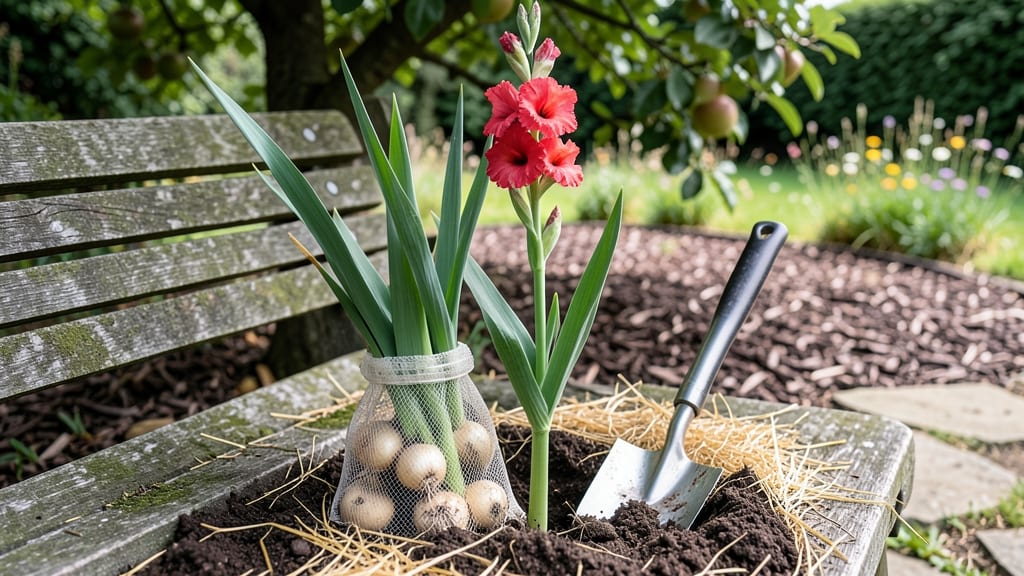
Timing your gladiolus planting in Colorado wrong could mean the difference between a showstopping summer display of 🌸 and a sad, frost-nipped disappointment. The mid-April to mid-June window isn't just a suggestion—it's a climate-driven deadline that varies wildly from Denver's plains to the high-altitude Front Range.
Here's the catch: Colorado's USDA zones 5-7 (with Denver at 5b-6a) create microclimates where last frost dates can shift by weeks. Plant too early in zone 5, and your corms might rot waiting for warmth; too late in zone 7, and your blooms could miss peak summer color.
I'll show you exactly how to read your local frost forecasts and adjust planting dates to match your elevation.
Beyond the calendar, soil temperature matters more than most gardeners realize. Gladiolus corms need 60°F+ soil to sprout consistently, which can mean waiting until late May in mountain valleys.
We'll cover soil prep tricks—like using black plastic mulch—to give your plants a head start when Mother Nature plays hard to get.
Ready to transform your Colorado garden into a vibrant gladiolus paradise? Let's break down the exact planting strategies that work for your specific zone, plus how to protect your young shoots from those sneaky late frosts that love to ruin all the hard work.
Colorado heat zone deadlines for planting gladiolus bulbs
Colorado’s diverse USDA zones 4-7 create unique challenges for gladiolus growers. In the Front Range (Denver, Boulder), where last frosts typically hit mid-April, you’ll want to plant by May 1 for reliable blooms.
Meanwhile, Western Slope areas like Grand Junction (Zone 6b) can start as early as late March, while high-altitude gardens above 8,000 feet (Zone 4) should wait until mid-May.
Soil temperature is your best guide—gladiolus corms need 60°F+ soil to sprout consistently. Use a soil thermometer to confirm readiness, especially in cooler microclimates.
In my Denver garden, I’ve found that planting after Memorial Day (when soil reliably hits 60°F) gives my glads a 120-day growing season before first frost.
Timing isn’t just about frost dates—it’s also about daylength sensitivity. Gladiolus need 14+ hours of daylight to trigger flowering. In Colorado, this means planting after June 1 in northern zones (like Steamboat Springs) may result in shorter stems and fewer blooms.
For maximum impact, aim to plant 4-6 weeks before your area’s longest day.
🌱 Colorado Gladiolus Planting Timeline by Zone
| USDA Zone | Last Frost Date | Ideal Planting Window | Soil Temp Threshold | First Blooms |
|---|---|---|---|---|
| 4 (High Altitude) | Mid-May | May 15-June 1 | 60°F+ | Late July |
| 5 (Front Range) | Mid-April | April 20-May 15 | 55°F+ | Early July |
| 6 (Western Slope) | Late March | March 25-April 15 | 50°F+ | Mid-June |
| 7 (Lower Elevations) | Early March | March 1-April 1 | 45°F+ | Late May |
Note: Adjust dates 1-2 weeks later for higher elevations or northern exposures.
For container gardening in Colorado, extend your planting window by 2-3 weeks—pots warm up faster and can be moved to protected microclimates.
I’ve successfully grown gladiolus in black plastic pots on my patio in Zone 5b Denver by planting April 15 and moving them to a south-facing wall during cool snaps.
Pro tip: Pre-warm your soil in cooler zones by covering beds with clear plastic mulch 1-2 weeks before planting. This raises soil temps by 5-10°F, letting you plant 2 weeks earlier without frost risk. Just remove the plastic right before planting to avoid overheating.
Colorado’s dry climate also affects timing—gladiolus need consistent moisture to establish roots. In arid zones (Zone 6b+)**, I recommend planting 1-2 weeks later than the table suggests and using drip irrigation to prevent corms from drying out during establishment.
Don’t forget about late-season varieties! If you miss the spring window, you can still plant late-June to early July for fall blooms. These won’t flower until September-October, but they’re perfect for extended-season gardens and cut flower arrangements before frost.
To track your local frost dates, bookmark the NOAA’s Colorado Frost Calculator or check your local Cooperative Extension office. In my experience, mountain valleys (like the San Luis Valley) can have 30+ days later frost dates than nearby foothills—always verify with hyper-local data.
Finally, remember that gladiolus are not cold-hardy. Even if you plant early, unpredictable late frosts can kill emerging shoots. Keep a row cover handy for Zone 4-5 gardens—it’s your best insurance against April’s whiplash weather.
Colorado heat zone deadlines for planting gladiolus bulbs
Colorado’s USDA zones 4-7 create unique challenges for gladiolus planting, where last frost dates can shift by 4-6 weeks between Denver’s plains and the high-altitude Front Range.
In zone 5 (Denver area), aim for mid-April to early May after the average last frost, while zone 7 (Colorado Springs) gardeners can plant as early as late March if soil warms quickly.
Don’t rely solely on calendar dates—soil temperature is critical. Gladiolus corms need 60°F+ soil to sprout consistently. Use a soil thermometer to confirm readiness, especially in higher elevations where cold soil delays growth. In zone 4 (mountain valleys), wait until late May to avoid frost damage to emerging shoots.
Here’s how Colorado’s microclimates break down for gladiolus planting:
| Zone | Last Frost Date | Ideal Planting Window | Soil Temp Threshold |
|---|---|---|---|
| 4 (Mountain Valleys) | May 15 | Late May - Early June | 60°F+ |
| 5 (Denver, Fort Collins) | April 15 | Mid-April - Early May | 55°F+ |
| 6 (Colorado Springs) | March 20 | Late March - April | 50°F+ |
| 7 (Western Slope) | March 5 | Late February - March | 45°F+ |
For gardeners in zone 5-6, the 15-day window after last frost is your sweet spot. Plant too early, and frost will kill tender shoots; too late, and your gladiolus may not bloom before Colorado’s mid-October first frost.
Pro tip: In zone 4, consider starting corms indoors in late March to extend your growing season.
Elevation also plays a role. Gardens above 7,000 feet (common in the Rockies) should wait until after Memorial Day to ensure soil warmth. Use black plastic mulch to raise soil temperature by 5-10°F if needed. This trick is a game-changer for high-altitude gardeners struggling with cool soils.
Remember, gladiolus corms are not frost-tolerant once shoots emerge. If late frosts are forecasted, use frost cloth to protect young plants until they reach 6 inches tall. This simple step can save your entire crop from unexpected cold snaps that hit Colorado hard in May.