
Plants
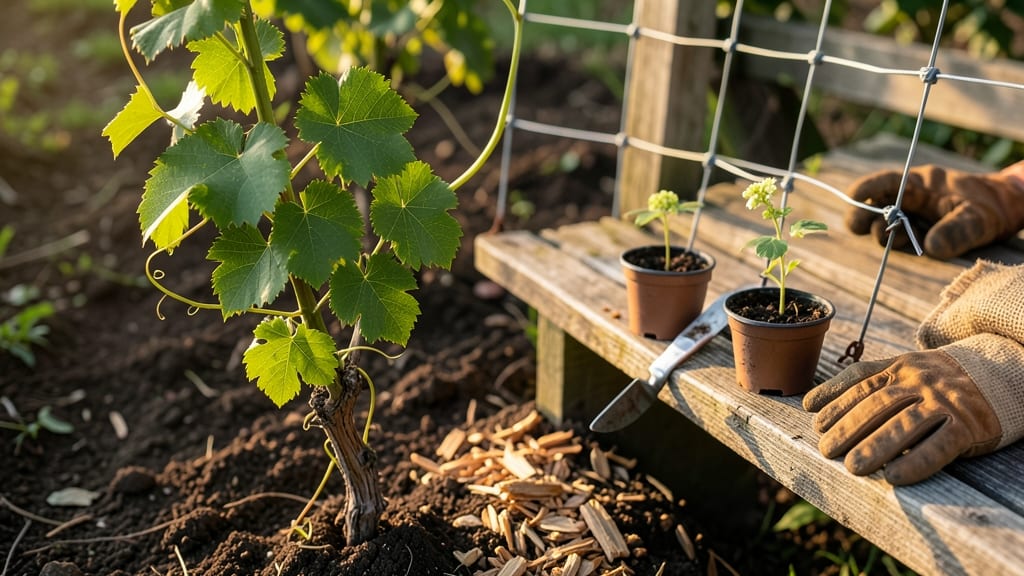
Planting grape vines in Georgia at the wrong time can mean the difference between a thriving 🍇 harvest and struggling vines that never quite take off.
With Georgia's mild winters and hot summers, timing matters more than you might think—especially when choosing between late winter or fall planting for your specific variety.
Most gardeners in zones 7b-8b swear by fall planting (September-October) because it gives young vines time to establish roots before summer heat arrives. But if you're working with heat-sensitive varieties like Muscadines, late winter (February-March) might be your best bet to avoid early spring frost damage.
I'll break down exactly which months work best for each grape type in Georgia, plus how to prep your soil and protect your investment from our unpredictable weather patterns. Whether you're a backyard grower or urban gardener with containers, you'll find the perfect schedule for your setup.
Ready to get started? Let's dive into the best planting windows, soil prep secrets, and variety-specific tips that will have your grape vines growing strong from day one.
Best planting months for grape vines in Georgia by variety
Georgia’s diverse climate—from the humid coastal plains to the cooler mountain regions—means grape vine planting windows vary by variety and location. For muscadine grapes, native to the Southeast, late winter to early spring (February–March) is ideal when soil temperatures reach 55–60°F.
These hardy vines thrive in Georgia’s heat and humidity once established, but early planting gives them time to root before summer’s intensity.
Vinifera grapes, like Cabernet Sauvignon or Chardonnay, prefer cooler climates and do best in Georgia’s Piedmont and mountain regions. Plant them in late winter (February–early March) to avoid late frosts or opt for fall planting (September–October) when soil is still warm but air temperatures drop. Hybrid varieties, like Norton or Cynthiana, bridge the gap—plant them in late winter or early fall for adaptability.
Soil temperature is critical: Bare-root vines should go in when soil is 50–60°F, while container-grown vines can handle slightly cooler soil (45–50°F). Use a soil thermometer to check—planting too early in cold soil delays root growth and invites disease.
In Zone 7b (northern GA), aim for March 15+; in Zone 8b (southern GA), February 15–March 15 is safer.
Fall planting (September–October) is a second best option for container-grown vines, giving roots time to establish before winter dormancy.
Avoid planting in late fall (November+), as new growth can’t harden off before frost. Muscadines handle fall planting best, while vinifera varieties struggle with Georgia’s mild winters if planted too late.
Your microclimate matters: Coastal Georgia’s longer frost-free season (Zone 8b) allows for earlier spring planting (as early as February 1), while the Blue Ridge Mountains (Zone 7a) demand waiting until April 1+ to avoid late frosts.
Always check your last frost date—planting 4–6 weeks before ensures vines aren’t caught off guard.
Here’s how Georgia’s three main grape types align with planting windows and climate zones:
| Variety | Best Planting Window | Ideal Climate Zone | Soil Temp Threshold | Notes |
|---|---|---|---|---|
| Muscadine | Feb–March (spring) or Sept–Oct (fall) | Zones 7b–9a (coastal/Piedmont) | 55–60°F | Heat-tolerant; thrives in humidity |
| Vinifera (e.g., Cabernet) | Feb–early March (spring only) | Zones 7a–7b (mountains/Piedmont) | 50–55°F | Needs cooler summers; frost-sensitive |
| Hybrid (e.g., Norton) | Feb–March (spring) or Sept (fall) | Zones 7a–8b (statewide) | 45–55°F | Adaptable; good for urban gardens |
For urban gardeners, container-grown vines offer flexibility—plant them in late winter or early fall and move pots to south-facing patios for maximum sunlight. Just ensure containers have drainage holes and use well-draining potting mix to prevent root rot.
Smaller varieties like ‘Scuppernong’ muscadines work well in containers, while larger vinifera types need in-ground planting.
Pro tip: If you’re planting in heavy clay soil (common in Piedmont), amend with compost or sand to improve drainage. Sandy soils in coastal areas may need organic matter to retain moisture.
Test your soil’s pH (5.5–6.5 is ideal) and adjust with lime (to raise pH) or sulfur (to lower pH) before planting. Healthy soil = stronger vines ready to face Georgia’s summer heat.
Timing isn’t just about months—it’s about weather patterns. Check your local USDA frost maps and avoid planting when late frosts (below 28°F) are forecasted. In Zone 7b, wait until March 15+; in Zone 8b, February 15–March 15 is safer.
Use frost cloth if planting early in marginal zones to protect young shoots.
How to time grape vine planting for Georgia’s climate zones
Georgia’s diverse climate—from coastal humidity to Piedmont heat—means planting grape vines isn’t a one-size-fits-all task. In Zone 7b (northern GA), last frosts can linger until March 15, while Zone 8b (southern GA) often sees early springs by February 15.
To avoid frost damage, adjust your planting timeline: fall (September-October) works best for most varieties, but late winter (February-March) suits heat-sensitive types like Muscadines.
Soil temperature is critical—wait until ground temps hit 55°F+ for root growth. In coastal areas, plant 2-3 weeks earlier than inland zones to escape humidity-related fungal risks. For mountain regions, delay until after April 15 to dodge late frosts.
I’ve seen firsthand how a 2-week difference can mean the difference between thriving vines and stunted growth.
Here’s how to prep your soil based on Georgia’s microclimates: Clay-heavy soils (common in Piedmont) need sand or compost to improve drainage, while sandy soils (coastal areas) benefit from organic matter to retain moisture.
Test your soil’s pH (5.5–6.5)—grape vines thrive in slightly acidic conditions. If your soil is too alkaline, amend with sulfur or peat moss before planting.
Late Frost Warning
Georgia’s unpredictable late frosts (even in April!) can devastate young grape vines. If planting in early spring, use frost cloths or row covers for the first 2-3 weeks. For fall plantings, choose hardy varieties like muscadines that tolerate cooler temps better.
Pro Tip: Monitor local frost forecasts via NOAA or Georgia Weather Network for real-time alerts.
Drought is another Georgia challenge—especially in Zone 8b’s intense summer heat. Once established, grape vines are drought-tolerant, but newly planted vines need consistent moisture. Water deeply (1-2 gallons per vine) 2-3 times per week during the first 60 days after planting.
Use drip irrigation to keep foliage dry and reduce fungal diseases like black rot, which thrives in Georgia’s humid summers.
For urban gardeners with containers, timing shifts slightly: plant container-grown vines in late spring (April-May) to avoid root-bound stress from summer heat. Choose 5-gallon+ pots with drainage holes and use well-draining potting mix.
Move containers to shaded areas during 100°F+ days to prevent heat shock. I’ve successfully grown ‘Scuppernong’ muscadines in containers on my Atlanta balcony—just be prepared to water daily during heatwaves.
Finally, don’t overlook trellis setup. Install your trellis before planting—grape vines need support from day one. In Georgia’s high humidity, proper airflow from training vines on trellises reduces disease risks.
For vertical growth, use a 4-foot-high post with 12-gauge wire spaced 12 inches apart. This keeps vines off the ground and improves sunlight exposure for even ripening.