
Plants
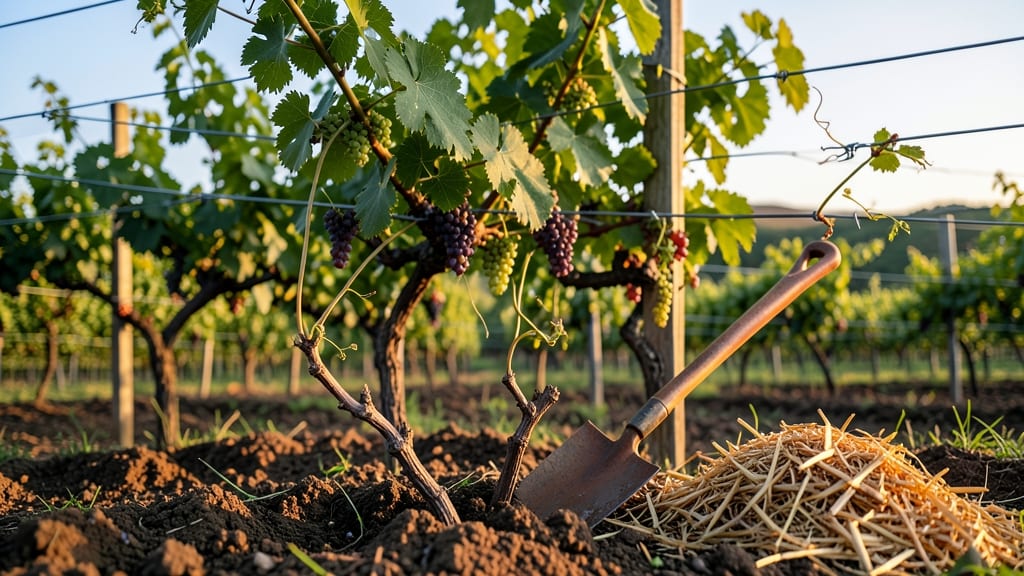
Timing your 🍇 grapes planting in Alabama isn’t just about the calendar—it’s about outsmarting the heat zones that can make or break your harvest. Plant too early, and frost zaps your young vines; too late, and summer’s brutal sun stresses them before they even take root.
Most Alabama gardeners swear by late winter to early spring (February–March) as the sweet spot, but fall (October–November) works too—if you pick the right varieties for your 7a–8b zone. The key? Soil warmth above 50°F and a trellis ready before those roots dig in.
I’ve seen firsthand how a 2-week miscalculation can turn thriving vines into sad, wilted shadows. That’s why I’m breaking down the exact windows, soil prep tricks, and even which Muscadines vs. Vitis vinifera grapes handle Alabama’s extremes best.
Skip the guesswork—let’s get your grapes off to a strong start, so you’re sipping homegrown wine (or snacking on fresh clusters) by August. Ready to plant with confidence?
Alabama heat zones and best planting months for grapes
Alabama’s USDA heat zones 7a-8b create a unique challenge for grape growers. The key to success lies in planting during the optimal soil temperature window—typically between 50°F and 65°F—to avoid both frost damage and heat stress.
In northern Alabama (Zone 7a), your window is narrower due to later spring frosts, while southern regions (Zone 8b) offer a slightly extended season.
Most Alabama gardeners plant grapes in late winter to early spring (February–March) for bare-root vines or fall (October–November) for container-grown varieties. Fall planting gives vines time to establish roots before winter, while spring planting avoids dormancy stress.
The critical deadline? Never plant after the last frost date (typically March 15 in most regions), or your young vines will struggle to recover.
For Muscadine grapes (a popular Alabama native), the ideal window is October–November—their thick skins handle Alabama’s humidity better when established early. Vitis vinifera varieties, like Cabernet Sauvignon, prefer late winter planting (February) to avoid summer heat stress during their first growing season.
Always check your local frost dates using the USDA Plant Hardiness Zone Map for precise timing.
🍇 Alabama Grape Planting Summary
| Zone | Best Planting Month | Soil Temp | Variety Recommendation |
|---|---|---|---|
| 7a (North AL) | February–March | 50°F–60°F | Cynthiana, Scuppernong |
| 7b (Central AL) | January–April | 50°F–65°F | Muscadine, Norton |
| 8a–8b (South AL) | October–November | 60°F–70°F | Cabernet Franc, Chardonnay |
If you’re in Zone 8b, fall planting (October) is your best bet—Alabama’s humidity can stress vines planted in late spring. For container-grown grapes, extend your window to December in warmer microclimates, but avoid planting after January 15 to prevent winter dieback.
Pro tip: Use a soil thermometer to confirm temperatures before planting; below 45°F risks root damage.
Alabama’s summer heat (often exceeding 90°F) demands shade cloth for young vines during the first year. In Zone 7a, prioritize early spring planting (February) to maximize the growing season. For urban gardeners, container planting in October lets you move vines to shaded areas during peak summer heat.
Always choose disease-resistant varieties like Albemarle or Cowart to combat Alabama’s fungal pressures.
One common mistake? Planting too late in Zone 8b (after March) or ignoring microclimates. A north-facing slope in Birmingham (Zone 7b) may frost later than a Mobile (Zone 8b) backyard. Use local weather data from Alabama A&M’s Extension Office to refine your timeline.
For example, Montgomery’s last frost averages March 20, while Huntsville’s is March 10—a 10-day difference that matters for grape survival.
For fall planting, aim to establish vines 6–8 weeks before the first frost (typically November 15). This gives roots time to anchor before dormancy. In Zone 7a, delay fall planting until October 15 to avoid early cold snaps.
Always mulch heavily (4–6 inches of straw) to insulate roots during Alabama’s winter temperature swings (20°F–60°F).
Remember: Grapes are perennial, so planting at the right time ensures decades of harvests. In Alabama, patience pays off—a well-timed vine can produce fruit in 2–3 years with proper care.
Start with 1–2 vines to test your microclimate before expanding. And if you’re near coastal Alabama, account for higher humidity by spacing vines 6–8 feet apart for airflow.
Your grapes’ first year sets the stage for future yields. In Alabama’s climate, timing is everything—whether you’re battling late frosts in Zone 7a or summer heat in Zone 8b.
Use this guide to align your planting with your local conditions, and soon you’ll be harvesting juicy, homegrown grapes that beat the store-bought competition. 🍇
Alabama heat zones and best planting months for grapes
Alabama’s USDA hardiness zones 7a-8b dictate your grapevine’s planting window—getting it wrong can mean frost damage or heat stress. In cooler zones like 7a (North Alabama), plant bare-root vines in late February to early March when soil temps hit 50°F.
Warmer Zone 8b (South Alabama) allows fall planting (October-November) to avoid summer heat.
Native Muscadine grapes thrive in Alabama’s heat, while Vitis vinifera (wine grapes) need cooler microclimates. Always check your last frost date—most of Alabama sees frost until mid-March, so container-grown vines give you flexibility for later starts.
🌱 Key Tip: Soil temperature matters more than air temperature. Use a soil thermometer—plant when soil is 50-60°F for root establishment.
🍇 Alabama Grape Planting Guide by Zone
| Zone | Best Planting Window | Soil Temp Threshold | Recommended Varieties |
|---|---|---|---|
| 7a (North AL) | Late Feb - Early Mar | 50-60°F | Cynthiana, Norton |
| 7b (Central AL) | Mid-Feb - Mid-Mar | 55-65°F | Scuppernong, Black Spanish |
| 8a-8b (South AL) | Oct - Nov or Feb | 60-70°F | Muscadine, Cabernet Sauvignon |
✅ Pro Tip: Fall planting in Zone 8b lets roots establish before summer heat.
For container grapes, extend your window—plant anytime soil is workable (spring or fall). Just ensure your pot has drainage holes and use a lightweight potting mix to prevent root rot. Urban gardeners in Birmingham or Huntsville often opt for containers to avoid soil compaction.
If you miss the spring window, don’t panic—fall planting (September-October) works too, but avoid late fall (after November 15) to prevent winter dieback. Mulch heavily (4-6 inches) after planting to regulate soil temps.
Alabama’s humidity also demands airflow. Space vines 8-10 feet apart and install a trellis or arbor before planting. Without proper support, vines sprawl, inviting disease and reducing fruit quality.
💡 Local Resource: Check the Alabama Cooperative Extension System for your county’s frost dates—some areas (like Montgomery) average 2 weeks earlier than Mobile.