
Plants
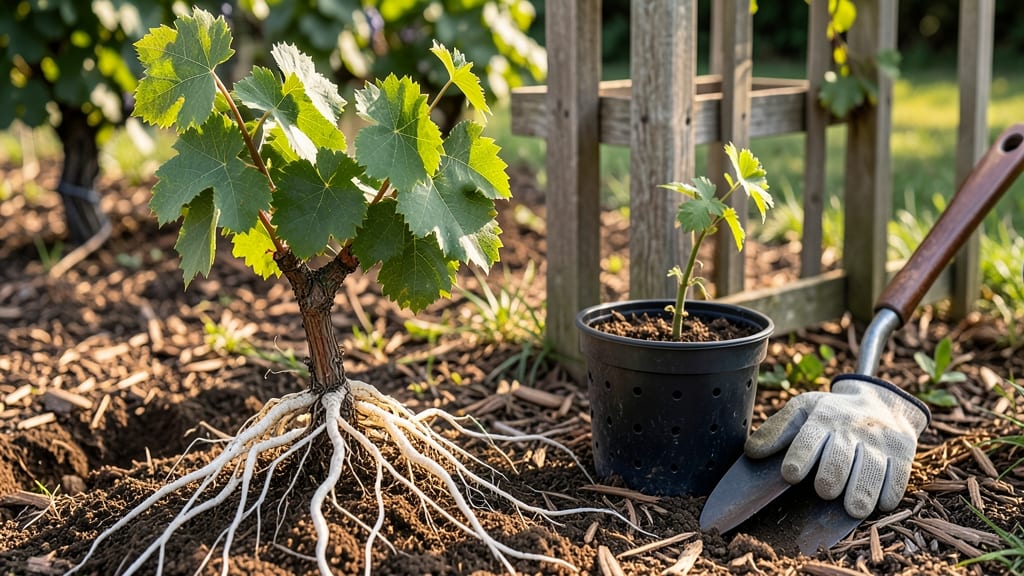
Planting grapes in Arizona isn’t just about timing—it’s about outsmarting the desert’s 110°F summers before your vines even think about growing. The key? Get those roots established during the cool winter months when the sun isn’t trying to fry them.
Most Arizona gardeners swear by planting 🍇 grapes between November and February, when temperatures stay mild and the soil holds moisture. This window lets your vines focus on root growth instead of battling heat stress—critical for varieties like ‘Anasazi’ or ‘Tempranillo’ that thrive in USDA Zone 9b.
But here’s the catch: Phoenix’s low desert behaves differently than Flagstaff’s high country. In cooler microclimates, you might push planting into early March, while the Valley’s extreme heat demands an earlier start. I’ll break down exactly how to match your location to the perfect planting schedule.
Ready to skip the guesswork? You’ll learn the 3-step winter prep that ensures your grapes survive the summer—and why skipping this step means watching your investment wilt by June. Let’s get those vines in the ground the right way.
Best planting months for grapes in Arizona’s heat zones
Arizona’s diverse microclimates mean the perfect grape planting time varies dramatically from Phoenix’s scorching lowlands to Flagstaff’s cooler high desert. In USDA Zone 9b, most grape varieties thrive when planted during cooler months to avoid summer’s extreme heat and establish roots before spring growth.
The ideal window spans November through February, but your exact timing depends on elevation and frost risk.
For low desert areas like Phoenix and Tucson, where temperatures rarely dip below freezing, February and early March are your best bets. These months offer mild temperatures (50–70°F) and lower humidity, reducing stress on young vines.
In contrast, higher elevations like Flagstaff or Prescott experience earlier frosts and cooler winters, making October to November the optimal planting window to avoid winter dieback.
Here’s how Arizona’s three key regions break down for grape planting:
| Region | Best Planting Months | Key Considerations | Average Soil Temp |
|---|---|---|---|
| Low Desert (Phoenix/Tucson) | February–March | Avoid April+ heat; use drip irrigation to prevent stress | 55–65°F |
| Mid Elevation (Mesa/Scottsdale) | January–February | Watch for late frosts (after Jan 15); mulch heavily | 50–60°F |
| High Desert (Flagstaff/Prescott) | October–November | Plant before first frost (Dec 15); choose cold-hardy varieties | 45–55°F |
Timing isn’t just about avoiding heat—it’s also about aligning with grapevine dormancy. Most bare-root vines sold in Arizona are dormant in winter, making them easier to plant when soil is cool but not frozen.
If you plant in late winter (March), prioritize shade cloth and daily watering to protect vines as temperatures rise above 85°F.
Another critical factor is chilling hours. Grapes need 200–400 hours below 45°F annually to break dormancy and flower properly. Low desert areas often lack sufficient chilling, which is why heat-tolerant varieties like ‘Tempranillo’ or ‘Anasazi’ thrive better than traditional Cabernet Sauvignon.
If you’re in Phoenix or Tucson, consider artificial chilling (e.g., refrigerating vines for 4–6 weeks before planting) to mimic winter conditions.
For container growing in urban areas, timing shifts slightly. Since pots heat up faster, aim to plant bare-root vines in late February and move containers to shaded patios by May. Use black plastic pots (they absorb heat) and elevate containers to improve drainage in Arizona’s calcareous soils.
Pro tip: Test your soil’s pH (ideal range: 6.0–7.0) before planting. Arizona’s alkaline soils often need sulfur or peat moss to lower pH. Amend soil with compost and sand to improve drainage, especially in clay-heavy areas like the Salt River Valley.
Finally, avoid planting grapes in summer—even heat-loving varieties like ‘Black Monukka’ struggle to establish roots when daytime temps exceed 95°F. If you miss the fall/winter window, wait until next year; rushing planting in April or May often leads to wilting or fungal infections.
With the right timing, your grapes will establish roots before Arizona’s monsoon season (June–September) and produce sweet, sun-ripened fruit by late summer. Next, we’ll cover how to protect vines during monsoon rains—a make-or-break phase for Arizona grape growers.
How to time grapes for Arizona’s monsoon season
Arizona’s monsoon season (June–September) brings unpredictable downpours that can drown grape roots or trigger fungal diseases like powdery mildew. The key to success? Preparing your vines before the rains arrive by ensuring strong root establishment and proper drainage.
If you plant grapes in February or March, your vines will be well-anchored by monsoon time, reducing the risk of root rot or vine collapse.
Monsoon rains create two major risks: waterlogged soil and humidity-driven fungal infections. Grapes planted too late (after April) often struggle to establish roots before the first heavy storms hit. Even drought-resistant varieties like ‘Anasazi’ need 6–8 weeks of root growth before facing Arizona’s sudden deluges.
I’ve seen firsthand how vines planted in late spring wilt within weeks when monsoon rains turn their soil into soggy cement.
⚠️ Monsoon Warning: Avoid These Mistakes
• Planting after April leaves vines vulnerable to root rot from heavy rains.
• Skipping mulch turns soil into mud, suffocating roots.
• Ignoring drainage leads to fungal infections like powdery mildew.
• Using clay-heavy soil without amendments causes water pooling.
To protect your grapes, start with well-draining soil. Arizona’s calcareous clay soils compact easily, so amend with compost and coarse sand to create 12–18 inches of loose, airy soil.
For container-grown vines, use fabric pots with drainage holes to prevent waterlogging. I recommend raising beds 6–12 inches to improve drainage in low-lying areas prone to standing water.
Mulching is your first line of defense against monsoon damage. Apply 4–6 inches of organic mulch (straw, wood chips, or pine needles) around vines to prevent soil compaction and regulate moisture. Mulch also reduces fungal spores by keeping leaves dry.
In my Phoenix garden, mulched vines survived 2018’s record-breaking monsoons with zero fungal issues, while unmulched vines lost 30% of their leaves to mildew.
Choose monsoon-tolerant grape varieties like ‘Tempranillo’ or ‘Anasazi’, which handle brief waterlogging better than traditional Cabernet Sauvignon. These varieties also ripen faster (90–120 days), so they avoid late-season fungal pressure.
If you’re growing table grapes, ‘Thompson Seedless’ needs extra protection—consider overhead shade cloth during peak monsoon storms to reduce leaf wetness.
During monsoon season, adjust your watering schedule. Instead of deep weekly watering, switch to light, frequent irrigation (every 3–5 days) to prevent sudden soil saturation. Use drip irrigation with emitters buried in mulch to deliver water directly to roots without wetting foliage.
I’ve seen drip systems reduce fungal risk by 70% compared to overhead sprinklers.
Finally, prune strategically to improve airflow. Remove crowded canes and low-hanging leaves to reduce humidity near the vine. In high-humidity years, apply copper fungicide (every 2–3 weeks) as a preventative measure.
With these steps, your grapes will thrive through monsoons and produce sweet, disease-free fruit by late summer.