
Plants
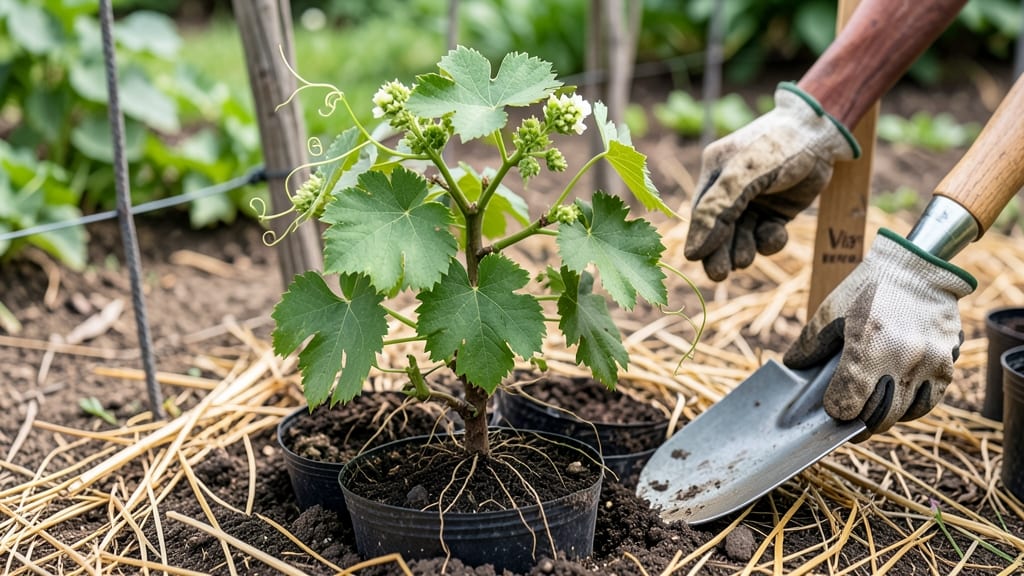
Planting grapes in North Carolina at the wrong time can mean the difference between a thriving vineyard and a failed harvest.
The late winter to early spring window—typically February to March—is your best shot for success, especially in zones 7a-8b, where chill hours and heat zones play a critical role.
Why does timing matter so much? Grapes 🍇 need the right balance of cold dormancy and warm growth periods to set fruit properly. Skip the ideal window, and you risk weak root establishment or delayed harvests.
I’ll break down exactly when to plant based on your region, whether you’re growing cold-hardy Norton or heat-loving Muscadine varieties.
North Carolina’s diverse climate means planting deadlines vary—Coastal Plain areas have longer frost-free seasons, while the Mountains need earlier starts. We’ll cover container vs. in-ground planting tips and how to prep soil for maximum success, so you can avoid common mistakes that derail new vines.
Ready to get started? By the end, you’ll know the exact months to plant, how to adjust for your local microclimate, and which varieties thrive best in your corner of the state. Let’s make sure your grapevines get off to the right start!
Best planting months for grapes in NC by chill hour requirements
North Carolina’s diverse chill hour zones (ranging from 4,000 to 10,000 hours) mean your grape planting window depends on variety and location. Cold-hardy varieties like Norton thrive in zones with 700–1,000 chill hours, while warm-climate types like Muscadine need less than 500 hours.
Timing matters—plant too early, and roots struggle; too late, and vines won’t establish before winter. Let’s break down the best months for your NC region.
Most NC gardeners plant grapes in late winter or early spring, but fall planting works for warm-climate varieties in southern NC. Soil temperatures should be above 50°F (10°C) for root growth, while air temps should stabilize above 40°F (4°C) to prevent frost damage.
In the Mountains (Zone 7a), aim for March planting; in the Coastal Plain (Zone 8a–8b), February or November are ideal.
Chill hours determine which varieties thrive where. For example, Norton grapes (a NC favorite) need 600–1,000 chill hours and do best planted in February–March. Meanwhile, Scuppernong Muscadines (native to NC) require 300–500 chill hours and can handle fall or early spring planting. Misjudging chill hours can lead to poor bud break or no fruit.
| Variety Type | Chill Hours Needed | Best Planting Months | Soil Temp for Planting | NC Regions Suited |
|---|---|---|---|---|
| Cold-Hardy (e.g., Norton, Cabernet Franc) | 600–1,000 hours | February–March | 50–60°F (10–15°C) | Mountains, Piedmont |
| Moderate (e.g., Catawba, Blanc Du Bois) | 400–600 hours | March–April | 55–65°F (13–18°C) | Piedmont, Coastal Plain |
| Warm-Climate (e.g., Muscadine, Scuppernong) | 300–500 hours | November–February or March | 60–70°F (15–21°C) | Coastal Plain, Eastern NC |
For spring planting, focus on February–March to give vines time to establish roots before summer heat. Bare-root vines planted in late winter (before buds swell) have higher success rates.
If you’re in Zone 8a–8b, consider fall planting in November—just ensure soil temps stay above 50°F (10°C) to prevent root rot.
Soil temperature is critical for root growth. Use a soil thermometer to confirm temps are ideal before planting. In cool Mountain regions, wait until March 15+ when frost risk drops. In warmer Coastal areas, February is perfect—just avoid planting when soil temps drop below 50°F (10°C), as roots can’t absorb moisture.
Container-grown grapes (like dwarf Muscadines) offer flexibility—plant them anytime soil is workable, but spring or fall still works best. Urban gardeners in cities like Raleigh or Charlotte can plant February–March, using black plastic mulch to warm soil faster.
Always amend soil with compost and sand for drainage, as grapes hate soggy roots.
Pro tip: Prune roots of bare-root vines by 1/3 before planting to encourage new growth. Water deeply after planting to settle soil, then mulch with straw or wood chips to retain moisture. Avoid overwatering—grapes need well-draining soil to thrive. In drought-prone Piedmont, drip irrigation helps maintain consistent moisture.
Mistake to avoid: Planting too late in spring (after May) risks vines not hardening off before winter. Fall-planted vines need 6+ weeks to establish roots before frost.
Monitor your local USDA frost dates—most NC regions see their last frost around March 15, but Mountain areas can frost until April 15.
For container growing, choose 5-gallon pots minimum and plant in spring to maximize the growing season. Dwarf varieties like ‘Black Monukka’ Muscadine adapt well to containers but still need full sun and winter protection in colder zones.
Move pots to a garage or insulated shed if temps drop below 20°F (-7°C).
Remember: Chill hours + soil temps are your planting compass. Match your grape variety to your NC region, plant when soil is 50°F+ (10°C+), and give vines time to root before extreme heat or cold. With the right timing, you’ll enjoy homegrown
Best planting months for grapes in NC by chill hour requirements
North Carolina’s chill hour requirements and heat zones determine the best time to plant grapes, with most varieties thriving when planted between late winter and early spring.
The ideal window is February to March, but this shifts slightly depending on your USDA zone (7a-8b) and the grape variety’s cold tolerance.
For cold-hardy varieties like Norton or Catawba, which need 4,000–6,000 chill hours, aim for planting in February—just as soil temperatures begin to rise. Warmer-climate varieties, such as Muscadine (requiring 2,000–4,000 chill hours), can handle March or even April plantings in Coastal Plain areas.
Soil temperature is critical: roots need 50°F (10°C) or warmer to establish properly. In Mountain regions (Zone 7a), plant by late February to avoid early spring thaws that can stress young vines. In Coastal Plain areas (Zone 8a-8b), you have until early April.
🍇 Planting Timeline by Chill Hours & Variety
| Variety | Chill Hours Needed | Best Planting Month | Soil Temp for Planting | Key Tip |
|---|---|---|---|---|
| Norton | 4,000–6,000 | Late February | 50°F (10°C) | Plant in well-draining soil to prevent root rot. |
| Catawba | 5,000–7,000 | Early March | 50°F (10°C) | Use a trellis system for support from day one. |
| Muscadine | 2,000–4,000 | March–April | 55°F (13°C) | Thrive in sandy soil common in Coastal NC. |
| Scuppernong | 3,000–5,000 | Early March | 52°F (11°C) | Prune dormant canes in late winter before planting. |
💡 Pro Tip: Bare-root vines establish faster than potted ones—order early and store in a cool, dark place until planting day!
Fall planting is not recommended for NC grapes, as the vines need time to root before winter dormancy. If you miss the spring window, wait until next February—rushing a late spring planting risks frost damage to tender new growth.
For container-grown grapes, you can plant up to May in Zone 8b, but expect delayed fruiting. Containers also require larger pots (15+ gallons) to prevent root binding, which stunts growth. Always bury the graft union 2–3 inches below soil level to protect it from heat stress.
After planting, mulch with wood chips or straw to retain moisture and regulate soil temperature. Water deeply once a week for the first month, then taper to bi-weekly once established. Avoid overhead watering to prevent fungal diseases like powdery mildew, common in NC’s humid summers.