
Plants
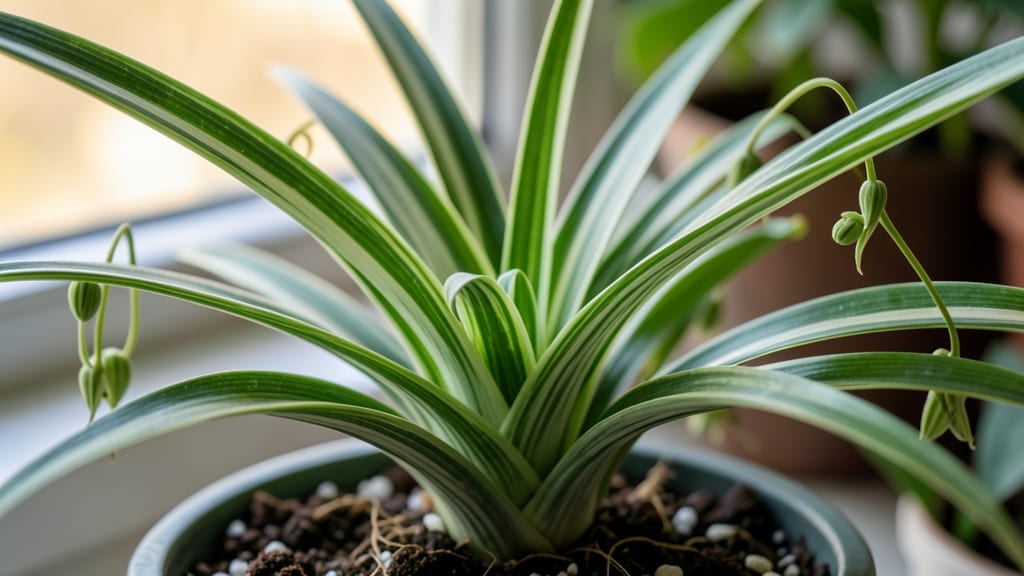
If your 🕷️ Spider Plant looks sad despite your care, the issue might be simpler than you think—it’s probably getting how much light does a spider plant need indoors.
These hardy plants thrive in bright indirect light but can also survive in lower light, making them perfect for almost any indoor space.
Too little light and your plant will stretch out, looking leggy and weak. Too much direct sun, and those pretty variegated leaves might turn yellow or crispy at the edges. The good news? Finding the sweet spot is easier than you’d expect.
In this guide, I’ll break down exactly how much light your Spider Plant needs—whether you’re dealing with a dim corner or a sunny windowsill. You’ll learn how to spot the signs of light stress and where to place your plant for lush, healthy growth all year round.
No more guessing games—just simple, actionable tips to keep your Spider Plant happy and thriving in your home. Let’s get started!
 Best Window Placement
Ideal light requirements for spider plants: low to medium brightness explained
Spider plants (Chlorophytum comosum) are one of the most forgiving houseplants, but they still need the right amount of light to thrive. Unlike sun-loving succulents, these plants prefer bright indirect light—think of it as morning sunlight filtered through a sheer curtain. Too little light, and your plant will stretch and weaken; too much direct sun, and you’ll see brown, crispy edges on the leaves. Let’s break down the perfect balance for your indoor spider plant’s light needs.
The ideal light range for spider plants falls between 1,000 to 2,500 foot-candles of light intensity. This roughly translates to placing your plant 3 to 6 feet away from an east or north-facing window, where sunlight is gentler.
South-facing windows can work too, but you’ll need to filter the light with a sheer curtain or move the plant slightly back to avoid harsh rays during peak afternoon sun.
If you’re unsure about your home’s lighting, here’s a quick test: Hold your hand near the plant’s leaves. If you can read a book comfortably in the same spot, the light is likely too dim.
If the air feels warm and dry near the plant, it’s probably getting too much direct sunlight. Adjusting the position is often the simplest fix!
| Light Condition | Description | Best For | Distance from Window |
|---|---|---|---|
| Bright Indirect Light | East or north-facing windows; filtered sunlight. | Healthy growth, vibrant leaves, frequent spiderettes. | 3-6 feet |
| Low Light | North-facing windows, rooms without windows, or under artificial lights. | Survival mode; slower growth, fewer spiderettes. | N/A (place away from windows) |
| Direct Sunlight | South or west-facing windows without filters; harsh midday sun. | Risk of sunburn; brown, crispy leaf edges. | Avoid; use sheer curtains |
| Artificial Grow Lights | LED or fluorescent grow lights, 12-14 hours/day. | Consistent growth in windowless rooms. | 6-12 inches above plant |
Seasonal changes also affect your spider plant’s light needs. During winter months, when natural light is scarce, you might notice your plant stretching toward the window or producing fewer spiderettes. This is normal!
Consider supplementing with a grow light or rotating your plant every few weeks to ensure even growth. In summer, when sunlight is intense, watch for signs of stress like yellowing or brown tips and adjust the plant’s position accordingly.
Another pro tip: Rotate your spider plant every 2-4 weeks. This ensures all sides of the plant receive equal light exposure, preventing it from leaning or growing unevenly.
Think of it like giving your plant a gentle sunbath on all sides! This simple habit keeps your spider plant compact and bushy rather than lopsided.
If you’re working with artificial lighting, such as fluorescent or LED bulbs, aim for 12-14 hours of light per day. Place the light source about 6-12 inches above the plant and use bulbs with a color temperature of 5000-6500K for optimal growth.
This setup mimics natural daylight and is perfect for bathrooms, offices, or windowless rooms.
For those with north-facing windows, your spider plant will likely thrive year-round, as these windows provide consistent, gentle light. However, if your home is particularly dark, consider placing the plant near a west-facing window during the cooler months, as the afternoon light can be beneficial.
Just remember to filter the light to avoid overheating.
Lastly, don’t forget that spider plants are adaptable. While they prefer bright indirect light, they can tolerate lower light conditions for short periods without permanent damage. If you notice your plant struggling, a simple move to a brighter spot—even temporarily—can often revive its health and encourage new growth. 🌱
Ideal light requirements for spider plants: low to medium brightness explained
Spider plants are famously adaptable, but they thrive best in bright indirect light—think of it as the perfect balance between sunshine and shade. Position your plant near an east-facing window where morning light is gentle, or a north-facing window where light is softer throughout the day.
Avoid harsh afternoon sun, which can scorch those delicate variegated leaves.
If you’re wondering how much light that translates to, aim for 4-6 hours of filtered light daily. This mimics their natural habitat under the dappled shade of taller trees.
Even in low-light conditions (like a dim office corner), spider plants will survive, though they may grow leggier and produce fewer spiderettes (those adorable baby plants).
| Light Condition | Ideal Placement | Growth Impact |
|---|---|---|
| Bright Indirect Light | East or north window, 2-3 ft away | Healthy, compact growth; abundant spiderettes |
| Low Light | Fluorescent-lit rooms or shaded corners | Leggy growth; fewer spiderettes |
| Direct Sunlight | South or west window without filter | Brown tips; leaf burn; stunted growth |
Seasonal adjustments matter too! In winter, when natural light is scarce, supplement with a grow light (12-14 hours/day) to prevent leggy growth.
Conversely, in summer, if your plant starts showing signs of stress near a sunny window, move it back 1-2 feet or use a sheer curtain to diffuse the light.
Pro tip: Rotate your spider plant quarter-turns every 2-3 weeks to ensure even light exposure. This prevents one side from stretching toward the window while the other stays weak. Think of it like giving your plant a mini vacation to explore all sides of its sunny kingdom.
For those with fluorescent lighting (common in offices), spider plants still thrive—just place them within 3 feet of the bulbs. If your home lacks natural light, opt for full-spectrum LED grow lights (10,000-20,000 lux) to mimic sunlight.
Just remember: more light = happier plant, but never at the cost of crispy edges!
If you’re unsure whether your space meets the ideal light conditions, watch your spider plant’s leaves: variegated patterns (white stripes) will fade in low light, while deep green leaves signal it’s getting just enough.
Balance is key—your spider plant will reward you with lush, vibrant growth for years to come. 🌿