
Plants
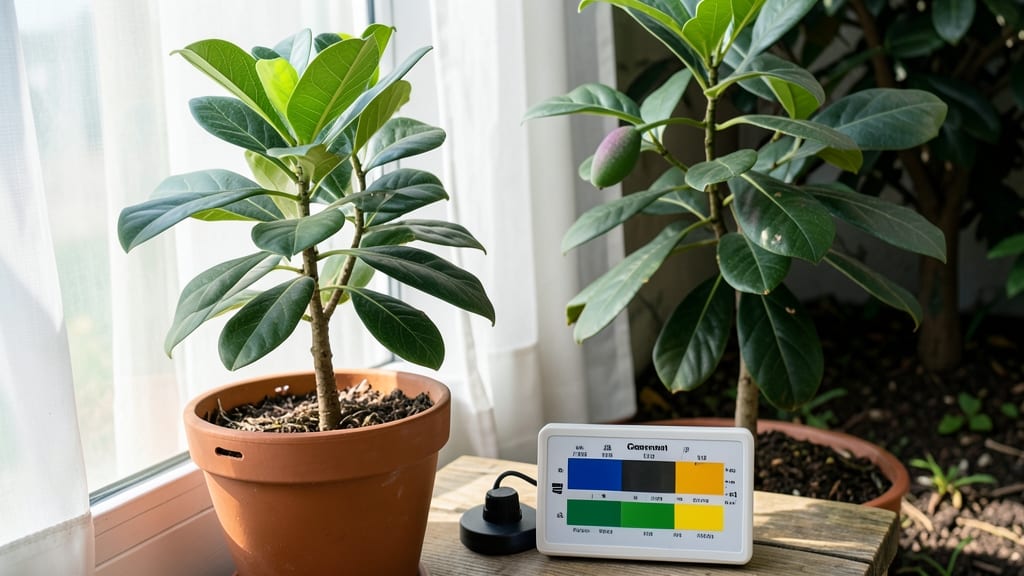
Want to know how much light does an avocado plant need to thrive? The answer lies in light—too little and it stretches pitifully, too much and it burns. Most gardeners guess wrong, but the sweet spot is bright indirect light for 6-8 hours daily, whether indoors or out.
Here’s the game-changer: avocado plants crave sunlight like we crave coffee, but direct rays can scorch their delicate leaves. I’ll show you how to spot the signs of over- or underlighting and fix them fast—no more guesswork, just lush, healthy growth.
From picking the perfect window to hacking grow lights for small spaces, I’ve tested what works (and what doesn’t) for both beginners and seasoned plant parents. Ready to turn your 🥑 avocado from sad to stunning? Let’s dive in.
You’ll learn the exact light conditions your plant needs, how to adjust for seasonal changes, and pro tips to avoid common mistakes that kill avocado plants faster than you’d think. Trust me, your plant will thank you.
 Best Window Placement
Optimal light requirements for avocado plants: sunlight vs. artificial light explained
Avocado plants (Persea americana) are sun-worshippers that crave bright indirect light to thrive. In their natural tropical habitat, they bask under dappled sunlight through dense canopies, which is why mimicking this light environment is key for both indoor and outdoor cultivation.
Without enough light, your plant will stretch toward any available source—a condition called etiolation—while too much direct sun can scorch delicate leaves. Let’s break down the perfect light balance for your leafy green friend.
For outdoor avocado trees, 6-8 hours of direct sunlight is ideal, especially in USDA Zones 10-11 where they grow naturally. If you’re in cooler climates, opt for partial shade during peak afternoon hours (12 PM–4 PM) to prevent sunburn.
In containers, avocados need even more vigilance—rotate pots weekly to ensure even growth and avoid lopsided development. Without proper light, your plant may produce fewer leaves and smaller fruit, if any at all.
| Light Condition | Hours Needed | Ideal For | Signs of Deficiency |
|---|---|---|---|
| Bright Indirect Light | 6-8 hours | Indoor plants, east/west windows | Yellowing leaves, slow growth |
| Direct Sunlight | 6+ hours (with afternoon shade) | Outdoor plants, south-facing | Brown leaf tips, crispy edges |
| Artificial Grow Lights | 12-14 hours/day | Indoor cultivation, winter months | Leggy stems, pale leaves |
If you’re growing avocados indoors, south-facing windows are your best bet, providing the most consistent light. However, if your home lacks natural light, grow lights can save the day. LED grow lights with a full-spectrum output (red and blue wavelengths) are perfect for avocados, mimicking sunlight and promoting healthy foliage.
Place the light 6-12 inches above the plant and keep it on for 12-14 hours daily. Avoid cheap bulbs—low-quality lights can cause stretching or weak growth, leaving your plant looking sad and spindly.
Seasonal adjustments are crucial, too. During winter months when daylight is shorter, supplement with grow lights to maintain the 6-8 hour minimum.
Conversely, in summer, watch for intense afternoon sun—if your outdoor avocado starts showing signs of stress (like brown patches on leaves), move it to a shadier spot or use a light sheer curtain to filter the rays. This gradual acclimation prevents shock and keeps your plant thriving year-round.
One common mistake I see is assuming all sunlight is equal. Morning sun is gentler and ideal for avocados, while afternoon sun can be harsh, especially in hot climates.
If you’re in a Zone 9 or below, consider growing your avocado in a container so you can move it indoors during extreme heat or cold snaps. This flexibility is a game-changer for indoor gardeners who want to keep their avocado happy without compromising on light.
Pro tip: Pay attention to your plant’s leaf color. Healthy avocado leaves are deep green and glossy. If they start turning yellow or pale, it’s a sign of insufficient light.
On the flip side, brown or crispy edges mean your plant is getting too much direct sun. Adjusting the light exposure promptly can prevent permanent damage and keep your avocado on the path to lush, vibrant growth.
For those in apartments or urban settings, a south-facing window paired with a reflective surface (like a white wall or mirror) can maximize light exposure. This trick bounces extra light onto the plant, making the most of limited space.
If you’re still struggling, invest in a smart grow light with adjustable spectra—some even mimic sunrise/sunset cycles to keep your avocado in its natural rhythm.
Remember, avocados are not low-maintenance plants—they demand attention to light, just like their tropical cousins. But with the right setup, you’ll reward yourself with a thriving, leafy avocado tree that could even produce fruit with patience and care.
Start by assessing your light conditions today, and watch your plant transform before your eyes!
How to tell if your avocado plant is getting the right light: leaf patterns and fixes
Avocado plants are master communicators—they’ll tell you exactly when their light needs aren’t met through leaf patterns and growth habits. The key is learning to read these visual cues before they turn into irreversible damage.
I’ve seen yellowing leaves from too little light and crispy brown patches from too much—both are fixable with the right adjustments.
Start by checking your plant’s leaf color and shape. Healthy avocado leaves are deep green and glossy, with a slightly leathery texture. If your leaves look pale or yellow, it’s a cry for more light.
Conversely, brown or white patches mean you’re overdoing it with direct sun. These signs aren’t just cosmetic—they directly impact your plant’s ability to photosynthesize and grow.
🌱 Key Takeaway:
🌿 Light Issues Decoded
🟢 Healthy Leaves: Deep green, glossy, upright growth
⚠️ Underlighting: Pale yellow leaves, slow growth, leggy stems
⚠️ Overlighting: Brown/white patches, crispy edges, sunburnt spots
🔄 Fix It: Rotate plant weekly; adjust window distance; use sheer curtains
If your avocado plant is stretching toward the light (a condition called etiolation), it’s desperate for more bright indirect sunlight. This happens when plants reach for light sources, creating weak, spindly stems and small leaves.
The fix? Move it closer to a south-facing window or supplement with a grow light. I recommend placing potted avocados within 3 feet of the window—any farther and they’ll keep stretching.
On the flip side, sunburnt leaves (those with white or brown patches) mean your plant is getting too much direct sunlight, especially if it’s sudden exposure. Avocado plants need time to acclimate to stronger light.
If you’ve recently moved your plant outdoors or to a west-facing window, gradually increase exposure over 1-2 weeks. Use a sheer curtain to diffuse harsh afternoon sun if needed.
For indoor gardeners, DIY light meters can help gauge light intensity. Place a white piece of paper near your plant—if the shadows are sharp and dark, the light is too harsh. If shadows are faint or nonexistent, your plant needs more brightness.
Another trick? Observe your plant’s growth rate. Healthy avocado plants grow 1-2 inches per month—if yours is barely growing, it’s likely underlit.
Remember, consistency is key. Avocado plants thrive on predictable light cycles, so avoid moving them frequently. If you notice new leaves looking worse than old ones, it’s a sign the light conditions have changed.
Adjust gradually, and your avocado will thank you with lush, vibrant growth—and maybe even a fruit or two someday! 🌿