
How To
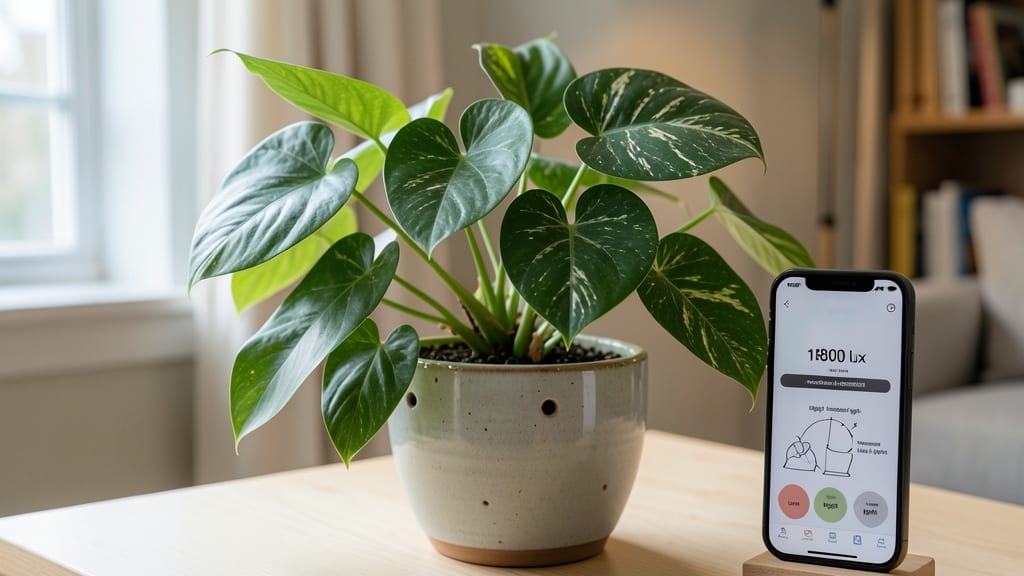
If you’re wondering how much light does an arrowhead plant need, the answer is simple—it thrives in bright indirect light, but too much or too little can leave your plant looking sad: droopy, pale, or growing too fast.
Most gardeners overthink it, but the key is simple: place it near an east or west-facing window where it gets morning sun or filtered afternoon light. Too much direct sun? The leaves will scorch. Too little light? It’ll stretch out and lose its vibrant colors.
I’ll show you exactly how to spot the signs of poor lighting and adjust your plant’s spot for healthier, bushier growth. Whether you’re dealing with leggy stems or crispy edges, these tips will help you keep your Arrowhead Plant happy year-round.
Ready to fix those light-related issues? Let’s dive into the ideal conditions and common mistakes to avoid—so your plant can flourish without guesswork.
 Best Window Placement
Optimal light requirements for arrowhead plant growth by stage
Your arrowhead plant (Syngonium podophyllum) thrives in bright indirect light, but its needs change dramatically from propagation to maturity. Understanding these stages helps prevent common issues like yellowing leaves or stretched growth.
Let’s break down the ideal light conditions for each phase of your plant’s life cycle.
During propagation (from cuttings), your arrowhead plant needs moderate to bright indirect light—about 4-6 hours daily. This encourages root development without stressing the delicate new growth. A north-facing window or grow lights 12 inches away work perfectly for this stage.
Once established, juvenile arrowhead plants (under 12 inches tall) prefer bright indirect light but can tolerate lower light conditions better than mature plants. Place them 3-4 feet from an east or west window to avoid harsh afternoon sun, which can scorch their leaves.
Mature arrowhead plants (over 12 inches) demand consistent bright indirect light to maintain their vibrant foliage and compact growth habit. Without enough light, they’ll stretch toward light sources, a condition called etiolation, leading to weak stems and pale leaves.
Here’s a quick reference for light needs by growth stage:
| Growth Stage | Ideal Light Type | Light Hours/Day | Best Placement |
|---|---|---|---|
| Propagation | Moderate to bright indirect | 4-6 hours | North window or grow lights |
| Juvenile (under 12") | Bright indirect | 4-6 hours | East/west window, 3-4 ft away |
| Mature (over 12") | Bright indirect to medium light | 6-8 hours | East/west window, 2-3 ft away |
If your arrowhead plant starts showing dark green leaves with longer internodes, it’s stretching for more light. Rotate the pot quarter-turns weekly to ensure even growth and prevent leaning.
For variegated varieties, like 'White Butterfly', bright indirect light is even more critical—their white or pink leaf markings need light to stay vibrant.
On the flip side, direct sunlight can cause leaf burn, visible as brown or crispy edges. If your plant is near a south-facing window, move it 6-8 feet back or use a sheer curtain to diffuse the light.
For indoor gardeners without ideal windows, LED grow lights (10,000-12,000K) can supplement light for 12-14 hours daily. Position them 12-18 inches above the plant and adjust height as it grows to avoid light stress or etiolation.
Pro tip: Monitor your plant’s leaf color and growth pattern weekly. A healthy arrowhead plant has glossy, medium-green leaves with compact spacing. Adjust its light exposure based on these visual cues to keep it thriving year-round.
How to adjust light conditions for different arrowhead plant varieties
Not all arrowhead plants thrive equally under the same light conditions. While most varieties prefer bright indirect light, some—like variegated types—demand even more care to maintain their stunning patterns. Understanding these differences will help you position your plant perfectly for vibrant growth and striking foliage.
For solid-leaf varieties (e.g., 'White Butterfly'), they’re more forgiving and can tolerate moderate indirect light for extended periods. However, variegated types like 'Pink Allusion' or 'Silver Arrow' need higher light intensity to prevent their white or silver leaf markings from fading to dull green.
Here’s how to adjust light for your specific arrowhead plant type:
🌿 Variegated vs. Solid Leaf Arrowhead Plants
| Type | Light Needs | Adjustment Tips |
|---|---|---|
| Variegated | Bright indirect light (6+ hours) | Rotate plant weekly for even exposure |
| Solid Leaf | Moderate indirect light (4-5 hours) | Tolerates lower light but may grow slower |
Juvenile arrowhead plants also have different light requirements than mature ones. When your plant is young, it’s best to provide gentler light conditions to avoid stress. Once it reaches 12-18 inches tall, gradually increase light exposure to encourage fuller growth and larger leaves.
If your arrowhead plant is growing leggy or pale, it’s likely not getting enough light. Move it closer to a west-facing window or supplement with a grow light for 6-8 hours daily. For variegated types, ensure the light source is consistent to prevent color loss.
Pro tip: Use a light meter or observe your plant’s leaves. If they’re dark green and compact, it’s likely getting enough light. If they’re light green and stretched, it needs more brightness.