
Size
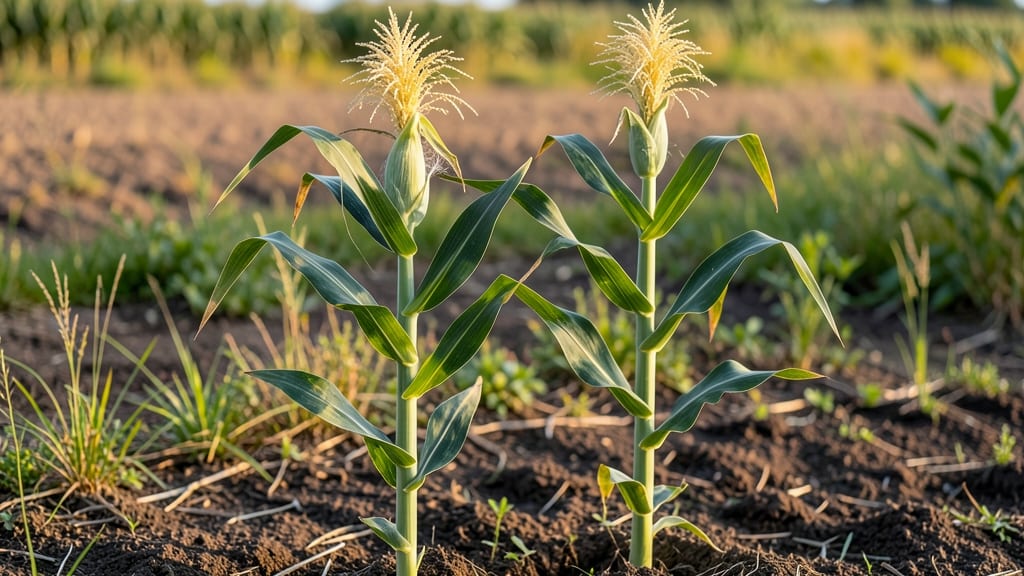
If you’ve ever watched your 🌽 corn plants grow so tall overnight and wondered just how tall they can get, you’re not alone. Some varieties stretch toward the sky like nature’s skyscrapers, while others stay compact enough for small gardens—knowing the difference is the key to planning your plot right.
Most corn plants reach between 6 and 10 feet, but dwarf varieties like 'Sweet Baby' top out at just 3 to 5 feet, making them perfect for containers or tight spaces.
Meanwhile, heirlooms like 'Country Gentleman' can tower over 12 feet, turning your backyard into a golden forest. The height isn’t just about aesthetics—it affects yield, spacing, and even how well the plants pollinate.
Soil nutrients, sunlight, and spacing play huge roles in how tall your corn grows. Too little nitrogen? Your stalks might stay short. Crowded plants? They’ll compete for resources and struggle to reach their full potential.
With the right conditions, though, you can coax even the tallest varieties to thrive—just like we’ve seen in our USDA Zone 6a gardens.
Ready to grow corn that reaches for the clouds—or stays neatly contained? Let’s break down the varieties, tips, and tricks to help you plan your perfect corn patch, whether you’re planting in April or squeezing in a late-May harvest.


Corn plant height by variety: from dwarf to towering giants
When you picture a corn plant, you might imagine towering stalks reaching toward the sky—but not all varieties play by the same rules. Corn heights can vary dramatically, from compact dwarf varieties perfect for containers to giant heirlooms that dwarf even the tallest gardeners.
As someone who's planted everything from 'Golden Bantam' to 'Country Gentleman', I can tell you this range isn't just about aesthetics; it affects your garden layout, pollination success, and even how you harvest those sweet ears.
The height of your corn plants depends on two key factors: genetics (the variety you choose) and growing conditions (sunlight, soil, and care). Some varieties are bred to stay short for urban gardens, while others are cultivated for maximum yield in wide-open fields.
Let's break down what to expect from the shortest to the tallest corn plants you might grow—and how to pick the right one for your space.
| Variety | Height Range | Best For | Days to Maturity |
|---|---|---|---|
| Dwarf Varieties | 3–5 ft | Containers, small gardens, urban farms | 60–75 days |
| 'Baby Blue' (Glass Gem) | 3–4 ft | Decorative, small spaces, heirloom collections | 70–80 days |
| 'Sweet Baby' | 4–5 ft | Early harvests, small families | 65–70 days |
| Semi-Dwarf Varieties | 5–7 ft | Backyard gardens, balanced yield | 75–90 days |
| 'Silver Queen' | 5–6 ft | Sweet corn, home gardens | 80–85 days |
| 'Peaches and Cream' | 6–7 ft | Sweet corn, high yield | 85–90 days |
| Standard Varieties | 7–10 ft | Traditional gardens, large plots | 90–110 days |
| 'Country Gentleman' | 10–14 ft | Heirloom, large gardens, field corn | 110–120 days |
| 'Kandy Korn' | 8–10 ft | Sweet corn, high sugar content | 95–100 days |
| Tall Varieties | 10–14+ ft | Field corn, windbreaks, large-scale farming | 110–140 days |
| 'Mammoth Melting' | 12–14 ft | Heirloom, field corn, historical gardens | 120–130 days |
Note: Heights can vary by 1–2 feet based on growing conditions like sunlight and soil quality.
If you're working with limited space, dwarf varieties like 'Baby Blue' or 'Sweet Baby' are game-changers. These stay under 5 feet and thrive in containers or small raised beds. I’ve grown 'Golden Bantam' in 5-gallon buckets on my balcony—it’s perfect for beginners or those with limited square footage.
The trade-off? You’ll get fewer ears per plant, but the convenience makes up for it.
For traditional backyard gardens, semi-dwarf and standard varieties like 'Silver Queen' or 'Peaches and Cream' strike a balance. These typically reach 6–10 feet, making them ideal for 3–4 foot spacing between rows. This height range also ensures good pollination, as taller plants can better catch wind-borne pollen. My
Corn plant height by variety: from dwarf to towering giants
Corn plants come in a stunning range of heights, from compact dwarf varieties perfect for containers to giant stalks that rival small trees. The height you'll see depends entirely on the variety you choose, with genetics playing the biggest role.
Most commercial sweet corn falls between 6 and 10 feet, while heirloom and specialty types can push well beyond that.
For gardeners with limited space, dwarf corn varieties like 'Baby Blue' or 'Golden Bantam' are excellent choices, reaching just 3 to 5 feet at maturity. These compact plants produce sweet ears while staying manageable for small gardens or even large containers.
Their shorter stature also makes them easier to harvest without bending over for hours!
Here's how corn varieties typically stack up in height categories:
| Height Category | Popular Varieties | Best For | Notes |
|---|---|---|---|
| Dwarf (3-5 ft) | 'Sweet Baby', 'Golden Bantam', 'Baby Blue' | Containers, small gardens, urban plots | Quick maturing, great for beginners |
| Semi-Dwarf (5-7 ft) | 'Silver Queen', 'Peaches and Cream', 'Ambrosia' | Backyard gardens, home harvests | Balanced height, good yield |
| Standard (7-10 ft) | 'Country Gentleman', 'Kandy Korn', 'Honey & Pearl' | Traditional gardens, large plots | Classic sweet corn flavors |
| Tall (10-14+ ft) | 'Mammoth Melting', 'Stowell's Evergreen', 'Country Gold' | Heirloom gardens, large-scale growing | Longer growing season needed |
Taller corn varieties like 'Country Gentleman' can reach 12 to 14 feet, creating dramatic golden stalks that make your garden look like a cornfield. These varieties often have longer growing seasons and produce larger ears, but they require more space and careful planning.
In our USDA Zone 6a gardens, we've found that taller varieties need at least 3 feet between plants to prevent overcrowding and ensure good air circulation.
When selecting corn varieties, consider not just height but also your growing season length and available space. Dwarf varieties mature faster and are ideal for shorter seasons, while taller varieties need more time to reach their full potential.
Remember that corn height affects more than just aesthetics—taller plants often have better pollination success and can produce larger ears when given proper care.
For maximum height potential, choose varieties suited to your climate and give them the right growing conditions. With proper spacing, sunlight, and nutrients, even the tallest corn can reach its full genetic potential—turning your garden into a stunning golden forest by harvest time! 🌽