
Plants
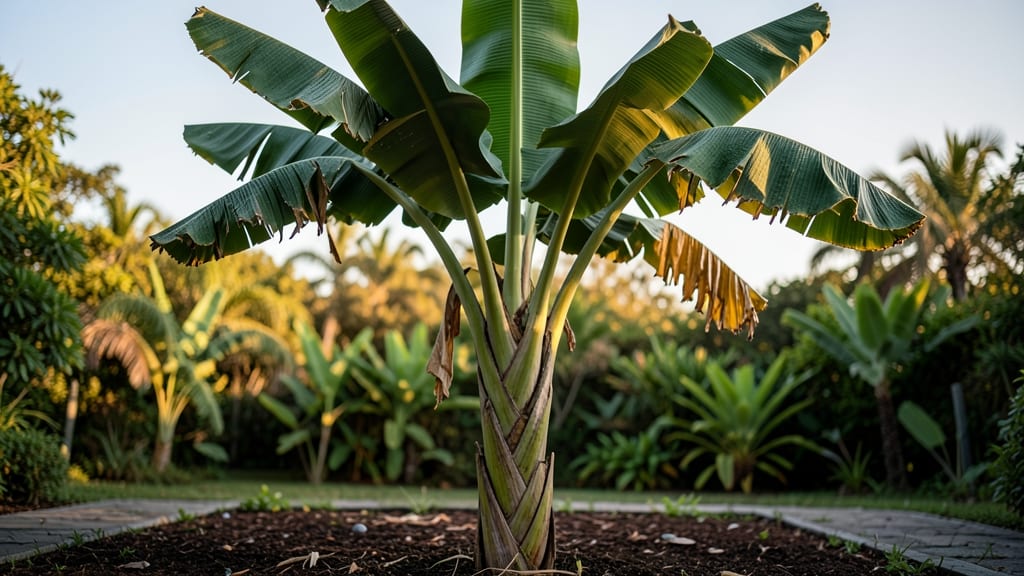
If you’ve ever wondered just how tall a banana plant can grow—think taller than your two-story house—you’re about to get the full picture. These tropical giants, like the 🍌 Musa spp., can stretch anywhere from 10 to 30 feet, depending on the variety and care you provide.
Whether you’re dreaming of a backyard harvest or just curious about their impressive reach, understanding their growth habits is key to cultivating them successfully.
The height of your banana plant isn’t just about luck—it’s a mix of genetics, climate, and the right growing conditions. In General (Tropical/Subtropical) zones 10-12, where they thrive year-round, some varieties shoot up quickly, while others stay more manageable.
But even in cooler zones with protection, you can still grow them—just with a few adjustments. Let’s explore how to predict and control their growth so you can enjoy lush foliage and sweet fruit without any surprises.
One of the biggest misconceptions about banana plants is that they’re all giants waiting to take over your garden. The truth? Some varieties, like the compact 'Lady Finger', stay smaller and are perfect for containers or small spaces.
But even these can still grow 6 to 10 feet in their first year alone. Knowing which type fits your space—and how to care for it—makes all the difference in keeping your banana plant happy and productive.
Ready to dive in? I’ll walk you through the height ranges by variety, tips for managing their size, and even how to troubleshoot if your plant starts growing faster (or slower) than expected.
Whether you’re a first-time grower or a seasoned gardener, these insights will help you grow bananas like a pro—no towering surprises included.


Banana plant height by variety: from dwarf to giant species
Banana plants are famous for their dramatic heights, but not all varieties reach the same towering stature. The Musa genus includes edible and ornamental types, with mature heights ranging from 10 feet to over 30 feet.
Your choice of variety directly impacts how much space you’ll need—and whether your dream of homegrown bananas can fit in your backyard or even a large container.
For example, the Cavendish variety, the most common grocery store banana, typically grows 12-18 feet tall at maturity. Meanwhile, ornamental bananas like the Dwarf Cavendish or Lady Finger stay more compact, reaching 6-10 feet.
These differences matter if you’re working with limited space or want to grow bananas in containers.
Climate plays a huge role too. In tropical zones (USDA 10-12), banana plants grow faster and taller, while cooler climates (USDA 9b+) may stunt growth unless you provide protection or use containers for mobility.
Even within the same variety, a plant in full sun can outgrow one in partial shade by several feet.
Here’s how banana plant heights break down by variety and growth stage:
| Variety | Type | Height Range (ft) | Growth Rate | Notes |
|---|---|---|---|---|
| Cavendish | Edible | 12-18 ft | Fast (3-4 ft/year) | Most common grocery banana; needs space. |
| Lady Finger | Edible (small fruit) | 6-10 ft | Moderate (2-3 ft/year) | Great for containers; compact but still productive. |
| Red Dacca | Edible (ornamental) | 15-20 ft | Fast (4+ ft/year) | Striking red fruit; needs strong support. |
| Ice Cream | Ornamental | 10-15 ft | Moderate (3 ft/year) | Non-edible; colorful pseudostem for landscaping. |
| Blue Java | Edible | 18-25 ft | Very Fast (5+ ft/year) | Tallest edible variety; needs full sun and space. |
Height varies by climate and care; container-grown plants may stay shorter.
The pseudostem (the "trunk" of the banana plant) is actually made of tightly packed leaves. As the plant matures, it produces a flower spike followed by the banana bunch. This growth process can take 9-12 months from planting to harvest, depending on the variety and conditions.
If you’re growing bananas in a cooler climate, expect slower growth. For example, a Cavendish in USDA Zone 9b might only reach 8-12 feet without winter protection, while the same plant in Zone 11 could easily hit 15+ feet.
That’s why choosing the right variety for your zone is critical—some, like the Dwarf Cavendish, are hardier and more adaptable.
Ornamental bananas, like the Ice Cream or Dwarf Blue varieties, are often chosen for their colorful leaves and compact size. These make excellent landscape plants in tropical or subtropical gardens, adding height and texture without overwhelming smaller spaces.
Even in containers, they can reach 6-10 feet if given enough nutrients and sunlight.
One common
Banana plant height by variety: from dwarf to giant species
Banana plants are famous for their dramatic height, but not all varieties reach the same towering stature. The Musa genus includes species that range from 10-foot ornamental types to 30-foot giants capable of dwarfing your home. Understanding these differences helps you choose the right variety for your space and climate.
Most commercial banana varieties—like the Cavendish—grow between 15-25 feet tall, with their iconic pseudostems (the "trunk" made of leaf sheaths) dominating landscapes. However, some tropical climates produce even taller specimens, especially in USDA Zones 10-12, where frost never stunts growth.
🌱 Height varies dramatically by variety: Dwarf varieties (like Musa acuminata 'Lady Finger') max out around 6-10 feet, making them perfect for containers or small gardens. Meanwhile, giant dessert bananas (e.g., Musa velutina) can soar past 25 feet, requiring ample yard space or rural settings.
| Variety | Height Range | Notes |
|---|---|---|
| Lady Finger (Musa acuminata) | 6–10 ft | Dwarf, compact, great for pots |
| Cavendish (Musa acuminata) | 15–25 ft | Most common grocery store type |
| Red Dacca (Musa acuminata) | 18–30 ft | Tall, ornamental, red fruit |
| Musa velutina (Velvet Leaf) | 20–30 ft | Giant, fast-growing, non-edible |
| Ice Cream Banana (Musa acuminata) | 12–20 ft | Sweet, creamy fruit, medium height |
Climate plays a crucial role in height. In tropical zones, banana plants grow faster and taller due to year-round warmth. Even in subtropical zones (9b+), with protection from frost, they can still reach 15-20 feet.
However, in cooler climates, growth slows significantly, often capping at 10-15 feet unless grown in containers for winter mobility.
Ornamental varieties, like Musa basjoo (Japanese banana), often outgrow their edible cousins, reaching 20+ feet while producing non-edible fruit. These are prized for their striking foliage and adaptability to USDA Zone 7 with winter protection.
If you’re growing bananas in containers, expect slightly shorter heights—around 10-15 feet—due to root restriction. However, dwarf varieties like 'Dwarf Cavendish' can thrive in large pots while staying under 10 feet, making them ideal for urban gardeners.
🌿 Remember, the pseudostem (the "trunk") is what gives banana plants their height, but the root system spreads just as wide. Always account for both when planning your garden layout!