
How To
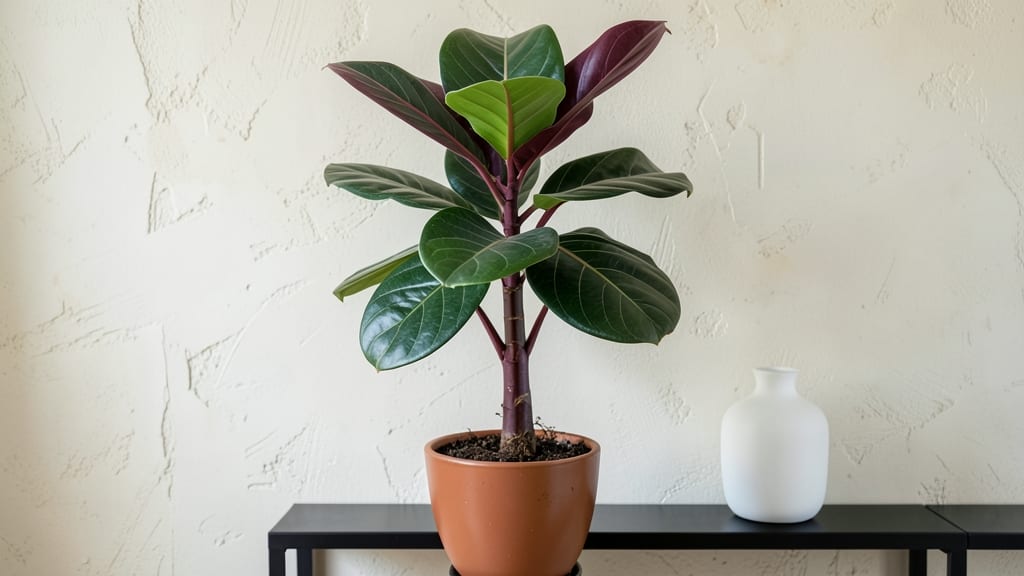
If you’ve ever wondered just how tall your rubber plant 🌿 could grow, the answer might surprise you—these bold, glossy-leaved plants can reach heights that turn them into the crown jewel of your indoor jungle.
Most rubber plants (Ficus elastica) grow between 6 and 10 feet indoors with proper care, but their growth depends on light, pruning, and even the size of their pot.
Whether you’re dreaming of a towering statement plant or want to keep it compact, understanding these factors is key to shaping its future.
In this guide, I’ll break down the science behind rubber plant growth, share tips to control their height, and reveal common mistakes that could stunt their potential.
By the end, you’ll know exactly how to nurture your plant—whether you want it to stretch toward the ceiling or stay at a manageable size.
Let’s dive into the secrets of maximizing (or minimizing) your rubber plant’s height so you can create the perfect fit for your space.


Natural height limits of rubber plants: how tall they can grow indoors
Your rubber plant’s ultimate height depends on its variety, growing conditions, and care routine. Under ideal circumstances, most Ficus elastica varieties can reach 6 to 10 feet indoors, with some dwarf varieties staying under 3 feet.
The key to unlocking this growth potential lies in understanding how light, pot size, and pruning habits influence their vertical expansion.
For example, a standard rubber plant in a sun-drenched room with regular pruning can easily hit 8 feet within 3-5 years. Meanwhile, a dwarf variety like 'Robin Hood' may only reach 2-3 feet unless you encourage upward growth with supports.
The growth rate also varies by season—expect 1-2 feet of new growth per year during spring and summer.
Light exposure is the #1 factor determining height. Rubber plants crave bright indirect light to fuel their vertical growth. Place yours near an east or west-facing window where it gets 4-6 hours of sunlight daily.
Without enough light, your plant will stretch toward the light source, creating a leggy, weak growth habit that’s prone to toppling.
Pot size plays a surprising role too. A root-bound rubber plant in a cramped pot will focus energy on filling its container rather than growing taller. Upgrade to a pot that’s 2-3 inches wider than your plant’s current diameter to encourage upward growth.
Just avoid oversized pots—too much extra soil stays soggy and can stunt growth.
Here’s a quick reference for what to expect at each growth stage:
| Growth Stage | Height Range | Timeframe | Care Tip |
|---|---|---|---|
| Seedling | 3-6 inches | 0-6 months | Use grow lights if natural light is low |
| Juvenile | 1-2 feet | 6-18 months | Rotate pot weekly for even growth |
| Mature | 4-6 feet | 2-3 years | Prune leggy stems to encourage bushiness |
| Tall Standard | 6-10 feet | 3-5 years | Use support stakes for vertical growth |
One common misconception is that rubber plants grow at the same rate year-round. In reality, they enter a dormant phase in fall and winter when growth slows dramatically. During these months, your plant might only gain 1-2 inches of height compared to 12+ inches during peak growing season.
This natural cycle explains why some plants seem to "stall" mid-winter.
To estimate your rubber plant’s potential height, consider these three factors: variety, light conditions, and care consistency. For instance, a 'Black Prince' variety in a bright room with regular pruning will outpace a 'Variegata' kept in low light.
Track your plant’s growth by marking the stem height on the pot with a waterproof marker every few months.
Pro tip: If you want to maximize height, focus on vertical training early. Install a bamboo stake or moss pole when your plant reaches 1-2 feet tall. The plant will naturally climb for support, creating a taller, more stable structure than a free-standing stem.
Just be patient—it takes 1-2 years of consistent training to see dramatic height differences.
Remember that even the tallest rubber plants can be managed with proper care. Whether you’re aiming for a ceiling-high statement piece or a compact tabletop plant, understanding these natural growth limits gives you full control over your rubber plant’s future.
The key is balancing their natural tendencies with your space and aesthetic goals.
How to control rubber plant height: pruning, training & care tips
Want to shape your rubber plant’s height? You’re in control—with the right techniques, you can encourage it to reach ceiling heights or keep it compact for shelves. The key lies in pruning, training, and adjusting care routines to influence growth direction.
Pruning isn’t just about trimming—it’s about redirecting energy. By cutting back leggy stems, you’ll trigger bushier growth and prevent your plant from becoming a top-heavy tower. For vertical growth, use bamboo stakes or moss poles to guide vines upward, mimicking their natural habitat.
Here’s how to master these techniques step by step for the perfect-sized rubber plant:
Cut 1/3 of the stem just above a leaf node. This encourages new side shoots and prevents leggy growth. Use clean, sharp pruning shears to avoid damaging the plant.
Attach a moss pole or bamboo stake near the plant. Gently tie stems to the support with soft jute twine to encourage upward growth. Rotate the pot occasionally for even exposure.
Move your plant closer to a window for taller growth or further away to slow it down. East or west-facing windows provide ideal bright indirect light without scorching leaves.
Use a balanced 10-10-10 fertilizer every 4-6 weeks in spring/summer to fuel growth. Reduce feeding in fall/winter to slow height increases during dormancy.
If roots circle the pot, repot every 2-3 years into a container just 1-2 inches larger. A root-bound plant grows taller faster to escape confinement.
Remember, rubber plants are forgiving. Even if you prune too much or adjust care late, they’ll bounce back with time. The key is consistency—whether you’re aiming for a 6-foot statement plant or a compact tabletop companion, these tips will keep your rubber plant thriving at your desired height.
Pro tip: Propagate your pruned cuttings! Place them in water or soil to grow new plants—it’s a great way to share your rubber plant’s charm without losing height control. 🌿