
Plants
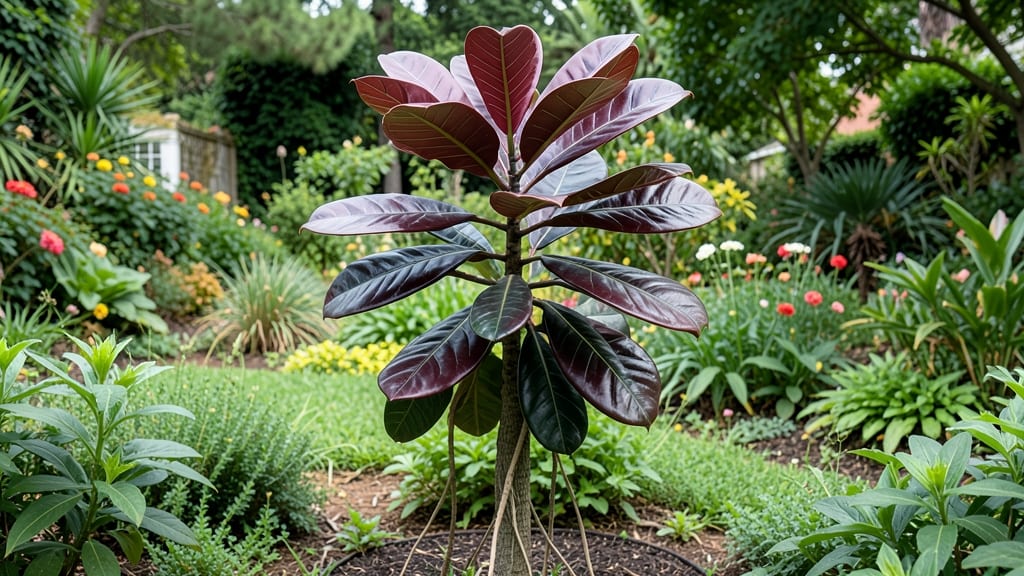
If you’re wondering how tall a rubber plant can grow before it becomes a ceiling-high jungle, you’re asking the right question. These striking houseplants can stretch surprisingly tall—sometimes reaching 6 to 10 feet indoors—but their height depends on far more than just genetics.
Picture this: a Robusta variety stretching toward your light fixture while a Burgundy stays more compact. The difference? Light exposure, pruning habits, and even pot size all play a role.
With the right care, you can guide your plant’s growth—whether you want a towering statement piece or a manageable tabletop companion.
Let’s break down exactly how tall your Rubber Plant might grow based on its variety, how quickly it climbs the height chart, and the simple tricks to keep it at your preferred size.
You’ll learn how to spot early growth patterns and when to intervene before your plant becomes a vertical takeover.
Ready to predict—and control—your plant’s future height? We’ll cover everything from growth timelines to pruning secrets so you can enjoy that lush foliage without the ceiling drama.


Rubber plant height by variety: from compact to towering giants
Rubber plants (Ficus elastica) are famous for their glossy, leathery leaves and dramatic vertical growth, but their mature height varies dramatically by variety. Some stay compact enough for small spaces, while others can become 10-foot indoor giants if left unchecked.
Understanding these differences helps you choose the right plant for your space—and manage its growth effectively.
Most rubber plants reach their mature height indoors between 6–10 feet, but outdoor specimens can grow even taller, sometimes exceeding 15 feet in tropical climates. The key difference lies in genetics, light exposure, and care routines.
For example, the variegated 'Variegata' grows slower than the bold 'Black Prince' due to its energy demands from producing white leaf patterns.
Here’s how popular varieties compare in height and growth habits:
| Variety | Indoor Height (ft) | Outdoor Height (ft) | Growth Rate | Notes |
|---|---|---|---|---|
| 'Decora' | 6–10 | 10–15 | Moderate | Classic dark green; fast grower with proper light. |
| 'Black Prince' | 8–12 | 12–20 | Fast | Deep purple-black leaves; needs bright indirect light. |
| 'Burgundy' | 5–8 | 8–12 | Moderate | Pinkish-red stems; slower growth than green varieties. |
| 'Variegata' | 4–7 | 8–12 | Slow | Cream/yellow variegation; energy-intensive growth. |
| 'Ruby' | 3–6 | 6–10 | Slow-Moderate | Compact; great for small spaces or pruned shapes. |
If you’re worried about your rubber plant outgrowing its space, remember that indoor growth is slower than outdoors due to limited light and space. A 'Decora' might take 5–7 years to reach 6 feet indoors but could double that height outdoors in ideal conditions.
The 'Variegata', with its slower growth, is your best bet for maintaining a manageable height in small apartments.
Light exposure plays a huge role in height control. Rubber plants grown in low-light conditions (like a north-facing window) will stretch toward light, creating leggy, tall growth with sparse leaves.
Conversely, placing your plant near a bright, indirect light source (e.g., an east or south-facing window) encourages bushier, more compact growth. I’ve seen 'Black Prince' plants reach 10 feet in 3 years with optimal light, while identical plants in dim corners stayed under 4 feet after the same time.
Pot size also affects height. Rubber plants in smaller containers (under 10 inches in diameter) will grow taller as they compete for nutrients. Upgrading to a larger pot (12–16 inches) encourages wider, bushier growth instead of vertical stretching.
Pro tip: If your plant is top-heavy, stake it early to prevent tipping—especially for varieties like 'Black Prince', which can become unwieldy.
For those with limited vertical space, consider dwarf varieties or pruning techniques to keep your rubber plant under control. I’ll cover these strategies in detail in the next section, but even standard varieties can be trained to stay under 4 feet with regular pruning and proper light management.
The key is consistency—rubber plants respond well to routine care, so a little effort now saves headaches later.
🌿
How fast do rubber plants grow? Timeline for indoor height milestones
Rubber plants (Ficus elastica) grow at different speeds depending on their variety and care conditions. On average, they add 6 inches per year under ideal indoor conditions, but some fast-growing varieties can reach 2–3 feet annually.
Your plant’s growth rate depends heavily on factors like light exposure, pruning habits, and container size. Let’s break down what you can expect year by year.
In the first year, your rubber plant will likely grow 1–2 feet tall, establishing its main stem and foliage. This is when it focuses on root development, so don’t expect rapid height gains.
Varieties like Ficus elastica 'Decora' tend to grow slightly faster in this stage, while variegated types may grow more slowly due to their energy demands.
By year two, your rubber plant will typically reach 3–4 feet tall, especially if placed near a bright, indirect light source. This is when many plant parents notice their rubber plant starting to outgrow its initial pot.
If you notice leggy growth, it’s a sign your plant is stretching toward light—time to consider pruning or repotting to encourage bushier growth.
🌱 Did You Know? Rubber plants grown outdoors in USDA Zone 10 or warmer can grow 3–4 feet per year, reaching 10+ feet tall in just a few years! Indoors, their growth slows due to limited light and space.
📋 Rubber Plant Growth Timeline
- Year 1: 1–2 ft (focus on root establishment)
- Year 2: 3–4 ft (rapid stem elongation begins)
- Year 3: 5–6 ft (mature height for many varieties)
- Year 4+: 6–10 ft (can reach ceiling height indoors)
After year three, your rubber plant will likely hit its mature height of 5–6 feet, depending on the variety. Some, like Ficus elastica 'Black Prince', may stop growing taller but produce thicker stems and larger leaves.
Others, like Ficus elastica 'Variegata', continue growing slowly but may develop leggy stems if not pruned regularly.
If your rubber plant isn’t growing as expected, check these three critical factors: 1. Light levels – Too little light slows growth; too much direct sun can scorch leaves.
- Pruning – Regular pruning encourages bushier growth and prevents legginess.
- Pot size – Root-bound plants grow faster when repotted into a slightly larger container.
With proper care, your rubber plant can become a stunning vertical feature in your home, adding both height and drama to your indoor garden. Just remember: patience is key—these plants grow steadily, not overnight! ✂️