
How To
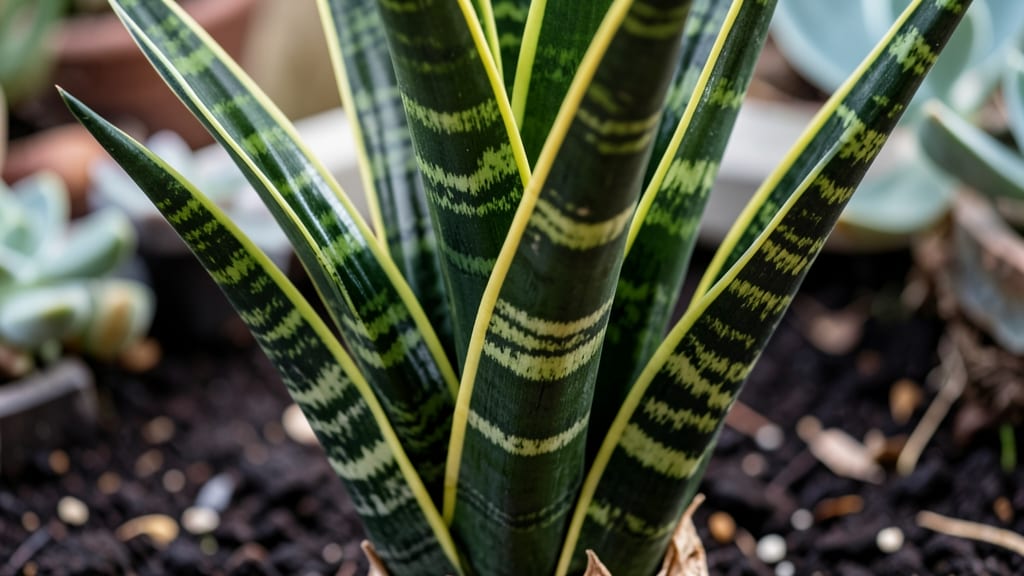
If you’ve ever wondered how tall a snake plant can grow 🌱 and why some varieties seem to reach for the sky while others stay small and sturdy, you’re not alone.
The height of a snake plant isn’t just about luck; it’s tied to its variety, care routine, and even the pot you choose.
Understanding how tall snake plants grow can help you plan your space, whether you’re keeping one as a low-maintenance centerpiece or letting it reach its full towering potential. Some varieties stay under 2 feet, while others can soar to 4 feet or more with the right conditions.
In this guide, I’ll break down the height limits by variety, the factors that control growth, and simple care tips to encourage—or limit—how tall your snake plant becomes. Ready to turn your plant into the perfect size for your home?
From Moonshine’s compact charm to Futura Superba’s dramatic height, we’ll cover everything you need to know to keep your snake plant thriving—no matter how tall you want it to grow.


Snake plant height limits by variety: from compact to towering giants
If you’ve ever wondered why your snake plant (Sansevieria) looks like a tiny shrub in one pot and a sky-scraper in another, the answer lies in its variety-specific genetics. Some types stay under 2 feet tall while others reach ceiling heights—even in your living room!
The key is understanding how each cultivar grows under ideal conditions and what you can do to encourage (or limit) their vertical ambitions.
For example, the ‘Hahnii’ variety—commonly called the "bird’s nest snake plant"—typically stays between 12-18 inches tall, making it perfect for shelves or small tables. Meanwhile, the ‘Futura Superba’ can shoot up to 4 feet or more with proper care, earning it the nickname "towering giant."
Even within the same species, growth habits vary wildly based on light exposure, pot size, and pruning practices.
Here’s the hard truth: most snake plants grow slowly—about 1-2 inches per year—but their final height depends entirely on their genetic potential. Some varieties, like ‘Moonshine’, max out around 2-3 feet, while others, like ‘Laurentii’, can stretch toward 5 feet in ideal conditions.
Let’s break down the height ranges you can expect for popular varieties and what influences their growth trajectory.
| Variety | Mature Height Range | Growth Habit | Best For |
|---|---|---|---|
| ‘Hahnii’ | 12–18 inches | Compact, rosette-forming | Shelves, small spaces |
| ‘Moonshine’ | 2–3 feet | Upright, bushy | Tabletop displays, offices |
| ‘Futura Superba’ | 3–5 feet | Tall, slender leaves | Corners, large rooms |
| ‘Laurentii’ | 2–4 feet | Bold, striped leaves | Statement plants |
| ‘Black Gold’ | 1.5–3 feet | Dark, compact | Low-light areas |
Notice how ‘Hahnii’ and ‘Black Gold’ stay shorter while ‘Futura Superba’ reaches for the sky? That’s not just luck—it’s genetics at work. If you’re growing a snake plant in a small pot, you might see slower vertical growth because the roots are root-bound.
But if you give it bright light and space to stretch, even compact varieties can surprise you with extra height.
For instance, I once had a ‘Moonshine’ snake plant that topped 3 feet after just 3 years because I placed it near a south-facing window and repotted it annually. The same variety in a north-facing room with low light might only reach 1.5 feet.
This proves that while genetics set the baseline, your care routine can push those limits—up or down!
One common misconception is that all snake plants grow equally tall. In reality, some varieties like ‘Golden Hahnii’ (a variegated ‘Hahnii’ hybrid) stay under 1 foot unless you prune aggressively to encourage new shoots.
Meanwhile, ‘Futura Superba’ can double in height if given the right conditions. The takeaway? Know your variety and adjust your care accordingly.
If you’re dealing with a tall-growing variety like ‘Futura Superba’ and want to
Factors that control snake plant height: light, pot size, and pruning secrets
Light exposure is the #1 factor controlling how tall your snake plant grows. In bright indirect light, varieties like Futura Superba can reach their full 4-foot height within 3-5 years.
Move your plant to a south-facing window or under grow lights to encourage vertical growth, but avoid harsh direct sun, which can scorch leaves.
Contrary to popular belief, bigger pots don’t automatically mean taller plants. While root space is important, snake plants grow upward when they’re root-bound but still have enough nutrients.
A pot that’s too large (over 12 inches in diameter) can actually slow growth by encouraging root spread instead of upward development.
Pruning plays a surprising role in height control. If you want to limit height, trim the tallest leaves at the base in early spring.
This redirects energy to lateral growth, creating a bushier plant. For taller varieties, avoid pruning the top leaves, as this can stunt vertical growth entirely.
Pros & Cons of Growth Factors
✅ Faster vertical growth
✅ Stronger stems
❌ Risk of leaf burn
✅ Encourages upward growth
✅ Faster maturity
❌ Needs repotting sooner
✅ Controls height
✅ Promotes bushiness
❌ Can stress plant if overdone
✅ Boosts growth speed
✅ Darker foliage
❌ Over-fertilizing burns roots
Temperature also affects height—snake plants grow 20-30% slower in cool conditions (below 65°F). If your home stays chilly, place your plant near a heat source (like a radiator) to maintain steady growth.
Conversely, high humidity can make leaves softer and slower-growing, so keep humidity between 40-50% for optimal vertical development.
Pro tip: Rotate your snake plant quarter-turns every 2 weeks to ensure even light exposure. This prevents leaning and encourages straight, uniform growth. For tall varieties, consider staking with a bamboo support if leaves start to flop under their own weight.
Remember, patience is key—snake plants grow slowly by nature. With the right care, you’ll see 1-2 feet of growth per year in ideal conditions, making them perfect for both small spaces and grand indoor statements.