
Companion Plants
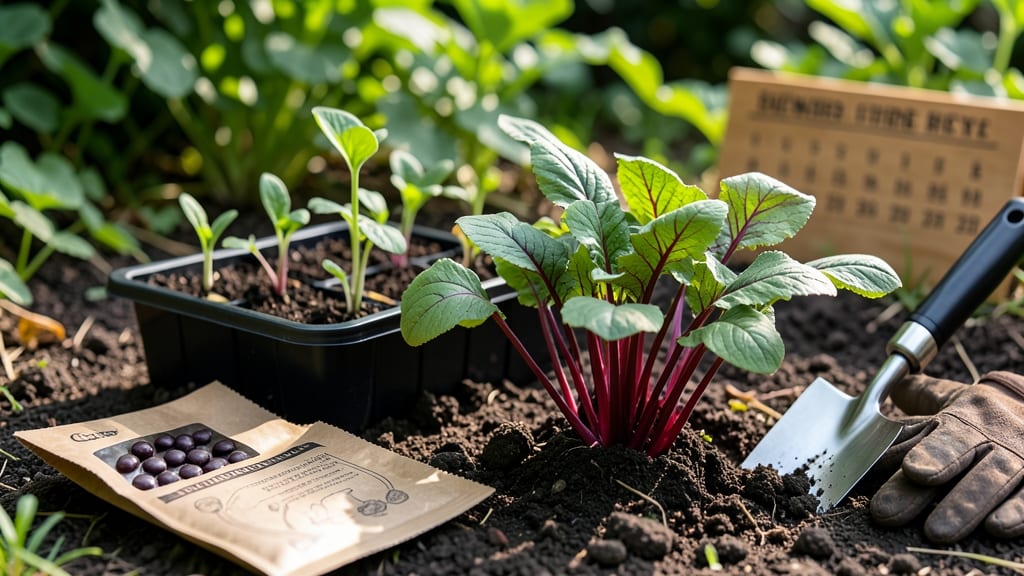
Timing your beet 🍠 planting in Zone 6 can make or break your harvest—get it right, and you’ll enjoy sweet, tender roots; get it wrong, and you might end up with tough, bitter ones.
The key is all about those last frost dates, which in Zone 6 typically land around mid-April, but weather can throw a curveball.
Most gardeners in Zone 6 plant beets in early spring, starting as soon as the soil warms to 50°F—usually around late March or early April. But don’t stop there!
Beets are also cold-hardy, so you can squeeze in a second planting in late summer (July) for a fall harvest before the first frost hits in October.
Why does timing matter so much? Beets thrive in cooler weather, and planting too late in spring can lead to bolting—when they flower and turn woody. By following these exact windows, you’ll avoid that pitfall and enjoy a steady supply of fresh, homegrown beets all season.
Ready to dive in? I’ll walk you through the exact weeks before your last frost to plant for the sweetest, most flavorful roots—plus how to handle Zone 6’s unpredictable spring weather. Let’s get growing!
Zone 6 beet planting calendar: exact weeks before last frost for best results
Timing your beet planting in Zone 6 starts with knowing your last frost date, which typically falls around April 15. Beets are cold-hardy vegetables, but they grow best when soil temperatures reach at least 45°F (7°C).
Planting too early can lead to slow germination, while waiting too long risks bolting—when beets flower prematurely and become woody.
For the sweetest, tender roots, aim to plant your first beet seeds 4-6 weeks before your last frost date. This gives them enough time to establish before warmer weather arrives. In Zone 6, that means sowing seeds between mid-March and early April.
If you miss this window, don’t worry—beets also thrive in late summer, with a second planting in July for a fall harvest.
Here’s a quick reference for your Zone 6 beet planting schedule, including soil temperature guidelines and ideal planting windows to maximize your harvest:
| Planting Window | Weeks Before Last Frost | Soil Temp (°F) | Harvest Window | Notes |
|---|---|---|---|---|
| Early Spring | 4-6 weeks | 45-50°F | June-July | Best for sweetest roots; avoid bolting. |
| Late Summer | N/A (July) | 60-70°F | October-November | Ideal for fall harvest before frost. |
| Succession Planting | Every 2-3 weeks | 45-65°F | June-November | Extend harvest with staggered plantings. |
For early spring plantings, use row covers or cold frames to protect seedlings from late frosts. Beets can tolerate light frosts, but temperatures below 20°F (-7°C) may damage young plants.
If you’re unsure about your exact frost date, check your local USDA Plant Hardiness Zone map or use a frost calendar for your specific area.
In Zone 6, the ideal soil temperature for beet germination is between 45-50°F (7-10°C). You can test your soil temperature with a soil thermometer or use the back-of-hand rule: if the soil feels cool but not freezing, it’s ready.
Planting too early in cold soil can delay germination by 1-2 weeks, so patience is key.
Don’t overlook the late summer planting window in July. This second crop takes advantage of cooler fall temperatures, which help prevent bolting and ensure tender roots.
Beets planted in late summer will be ready to harvest just before the first frost in October, giving you a double harvest in one season.
Pro tip: Use succession planting to keep a steady supply of beets. Sow seeds every 2-3 weeks from early spring through mid-summer. This method ensures you’ll always have young, tender beets ready to harvest, rather than a glut of mature roots all at once.
When planning your beet garden layout, remember that beets need full sun (6+ hours daily) and well-draining soil. Amend your soil with compost before planting to improve fertility and drainage. Beets are also shallow-rooted, so avoid working the soil too deeply when planting.
Finally, keep an eye on your harvest timeline. Most beet varieties take 50-70 days to mature, depending on the type. For example, Detroit Dark Red typically matures in 60 days, while Chioggia (the candy-striped beet) may take 70 days.
Plan your plantings accordingly to avoid missing the sweet spot for harvest.
How to adjust beet planting for Zone 6’s unpredictable spring weather
Zone 6’s spring weather can be a beet grower’s worst nightmare—one day warm enough to plant, the next hit with a surprise late frost that stunts your seedlings. The key to success? Flexibility and knowing how to read your soil and sky.
Beets are cold-hardy but prefer soil temperatures above 45°F for consistent germination. If your soil is still chilly after the last frost date, consider using row covers or a cold frame to protect young plants until the ground warms.
Zone 6’s unpredictable spring can bring late frosts even after the official last frost date. Planting too early risks seedling damage. Wait until soil temperatures consistently stay above 50°F for at least 5 days.
Action Tip: Use a soil thermometer to check daily. If temps dip below 45°F, delay planting or use row covers for protection.
For extra insurance, I recommend succession planting every 2 weeks from late March through early May. This ensures a steady harvest even if one batch gets hit by a late cold snap. Start with a small test batch in early March under protective covers, then expand as conditions improve.
Another trick? Plant beets in raised beds—they warm up faster in spring and drain better, reducing the risk of waterlogged soil, which can cause root rot. If you’re using in-ground beds, amend the soil with compost to improve drainage and warmth retention.
Watch for bolting if temperatures rise too quickly after planting. Beets bolt (send up flowers) when stressed by heat or drought, leading to bitter roots. Mulch with straw or grass clippings to keep soil moisture even and temperatures stable.
Finally, keep an eye on the 10-day forecast before planting. If a cold front is predicted within 3 days of sowing, delay until after the system passes. A little patience now means sweeter, more abundant harvests later.