
Companion Plants
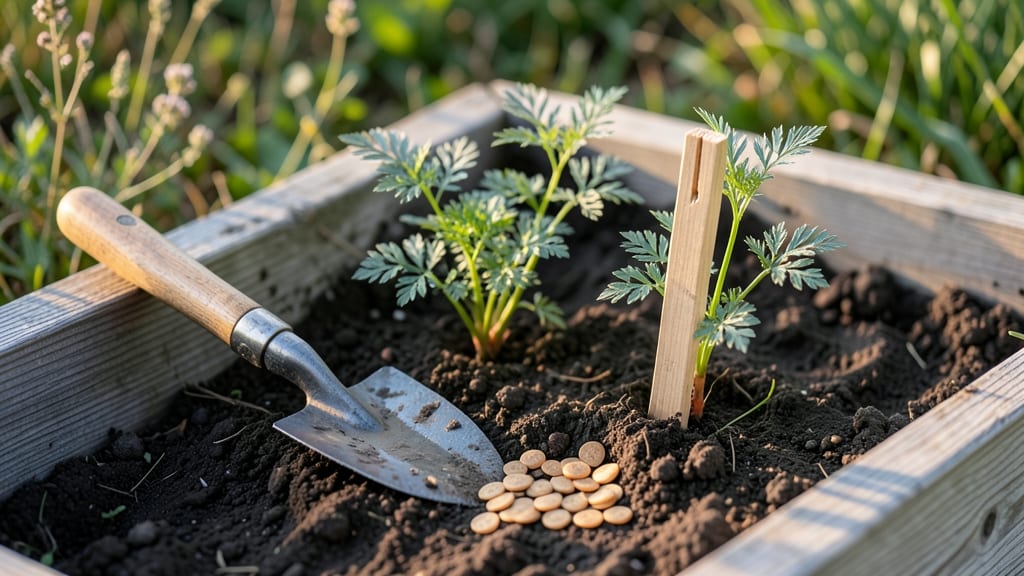
Timing your carrot planting just right in Zone 6 is the secret weapon for sweet, crisp 🥕 harvests—miss the window, and you risk stunted roots or bolted greens.
The ideal moment arrives 4-6 weeks before your last frost date, but with Zone 6’s unpredictable spring, knowing exactly when to plant makes all the difference.
Most gardeners in 6a/6b regions reach for their carrot seeds in early spring, but that’s only half the story. Did you know you can also plant a fall crop?
The key is understanding your local frost patterns—whether you’re in the cooler north or warmer southern stretches of the zone—and how to adjust for soil temperatures that play a bigger role than you might think.
In this guide, I’ll break down the precise planting schedule for both spring and fall crops, including soil prep tricks to ensure your 🥕 seeds germinate reliably. We’ll also cover how to handle late frosts and when to harvest for maximum flavor, so you never waste another growing season.
Ready to grow carrots that rival the grocery store’s best? Let’s get your planting calendar locked in for a bumper crop—no guesswork required.
Best weeks to plant carrots in Zone 6 before last frost
In Zone 6, timing your carrot planting is critical—aim for 4-6 weeks before your last spring frost (typically mid-April in most areas). For my garden in Northern Illinois, I start seeds indoors 3 weeks before the target date, then transplant seedlings outdoors.
This head start helps seedlings outpace late frosts that can linger into May.
Carrots thrive when soil temperatures reach 50-60°F, which usually occurs by late March to early April in Zone 6. Use a soil thermometer to confirm—cold soil slows germination and invites rot. Pro tip: Cover seed beds with row covers if nights dip below 40°F to protect tender seedlings.
For a fall harvest, plant again in late July to early August, giving roots 60-80 days to mature before first frost (typically mid-October).
This second planting extends your harvest window and reduces pressure on spring crops. I’ve found ‘Danvers Half Long’ varieties excel in these shorter fall windows.
Zone 6’s microclimates matter—southern areas (like St. Louis) can plant 2 weeks earlier than northern regions (like Chicago). Check your local frost dates via the USDA Plant Hardiness Zone Map or your cooperative extension service for precision.
Even a 1-2 week shift can mean the difference between thriving carrots and bolted greens.
🌱 Zone 6 Carrot Planting Timeline
| Season | Planting Window | Soil Temp | Days to Harvest | Notes |
|---|---|---|---|---|
| Spring | March 15 - April 15 | 50-60°F | 70-85 days | Use row covers for frost protection |
| Fall | July 15 - August 15 | 55-65°F | 60-70 days | Choose bolt-resistant varieties |
🌡️ Pro Tip: Test soil temps daily—carrots germinate best at 60-65°F.
If you’re new to carrots, succession planting every 2 weeks after your initial date ensures a steady supply. I sow 3-4 batches in spring to stagger harvests—this prevents glutting my kitchen (and my compost pile!).
For container gardening, use wide, shallow pots (at least 12 inches deep) filled with loose, rocky soil to prevent forking.
Watch for soil compaction, which causes forked roots. I loosen soil to 12 inches deep before planting and mix in compost for drainage. Heavy clay soils?
Amend with sand or perlite to create the ideal sandy-loam texture carrots crave. Never plant where potatoes or other nightshades grew last year—they share pests and diseases.
For organic gardeners, avoid fresh manure—it can cause bolt-resistant but bitter-tasting roots. Instead, use aged compost or a low-nitrogen fertilizer (like 5-10-10) at planting. Over-fertilizing leads to leafy tops at the expense of root development.
My go-to is a 1 tbsp of 5-10-10 per 10 sq ft mixed into the top 6 inches of soil.
Remember: Carrots are cool-season crops, so they’ll bolt (go to seed) if exposed to heat over 80°F. In Zone 6’s summer heat, provide afternoon shade with shade cloth or plant in partial shade areas.
Varieties like ‘Rainbow’ or ‘Solar Yellow’ tolerate heat slightly better than traditional orange types.
Finally, mark your calendar for harvest time—carrots left too long in the ground become woody and tough. I pull test roots at 60 days to check size, then harvest the rest before first frost.
Store extras in sandy soil in a cool, dark basement for up to 3 months—or enjoy them fresh while they’re sweetest!
Best weeks to plant carrots in Zone 6 before last frost
In Zone 6, timing your carrot planting is critical—aim for 4-6 weeks before your last spring frost, typically mid-March to early April. Carrots need consistent soil temperatures above 50°F (10°C) to germinate properly, so don’t rush if the ground is still cold.
For a fall harvest, plant again in late July to early August to ensure roots mature before the first frost hits around mid-October.
Zone 6’s frost-free season spans roughly 165 days, giving you two prime planting windows. Early spring plantings should be done as soon as soil is workable, while fall plantings benefit from cooler temperatures that prevent bolting.
Use a soil thermometer to confirm readiness—carrot seeds won’t sprout below 55°F (13°C).
| Planting Window | Soil Temp | Days to Harvest | Notes |
|---|---|---|---|
| Early Spring (March - April) | 50-60°F (10-15°C) | 70-90 days | Best for crisp roots; avoid replanting after weeds sprout |
| Late Summer (July - August) | 60-70°F (15-21°C) | 60-75 days | Cooler temps prevent bolting; harvest before frost |
For Northern Zone 6 (e.g., Chicago, Minneapolis), push spring planting to late March or April to avoid late frosts, while Southern Zone 6 (e.g., Nashville, St. Louis) can start as early as mid-February under row covers.
Always check your local last frost date—planting too early risks seed rot, while waiting too long may lead to small, woody roots.
Pro tip: Use row covers or cold frames to extend your spring planting window by 2-3 weeks. This protects tender seedlings from unexpected late frosts while keeping soil warm enough for germination. Just remove covers once true leaves appear to prevent overheating.
Don’t forget about succession planting! Sow new seeds every 2-3 weeks in spring for a continuous harvest. In fall, a single late planting can yield carrots until hard frost, but prioritize varieties like ‘Danvers Half Long’, which tolerate cooler temps better than others.
If you’re in a dry microclimate within Zone 6, prioritize spring plantings—carrots need consistent moisture to grow straight and sweet. Mulch heavily with straw to retain soil moisture and prevent cracking. For fall crops, focus on well-drained beds to avoid rot during cooler, wetter conditions.