
Companion Plants
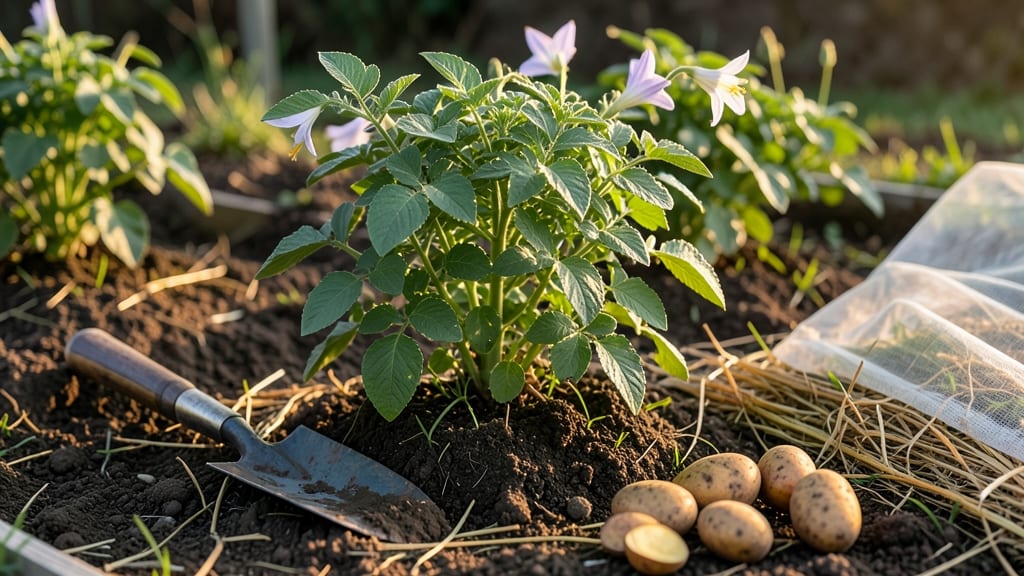
Planting potatoes in Michigan at the wrong time could mean the difference between a bumper crop and a total bust—especially when frost lingers in the Upper Peninsula or heat arrives early in the Lower Peninsula.
The key to success lies in knowing exactly when to get those seed potatoes in the ground, down to the week, so your 🥔 harvest thrives.
Most gardeners in zones 5a-6b wait until the soil warms to 45°F, but Michigan’s unpredictable weather throws a wrench in the plan. Should you plant in early March like the calendar says, or risk waiting until late April when the frost finally retreats?
I’ll break down the science-backed windows—including how to adjust for your specific region—to help you avoid common mistakes.
You’ll also discover how to extend your growing season with simple tricks, like using row covers or choosing the right varieties for your zone.
Whether you’re a first-time gardener or a veteran with a few failed attempts under your belt, these tips will give you the confidence to time your plantings perfectly.
Let’s dive into the exact weeks to plant, soil prep secrets, and frost-proofing strategies that actually work in Michigan’s climate—so you can enjoy homegrown potatoes from July through September without the guesswork.
Michigan potato planting calendar by USDA Zone (with exact weeks to avoid frost)
Michigan’s USDA Zones 5a-6b create a tricky balance for potato growers. The Upper Peninsula (Zone 5a) often waits until late April, while the Lower Peninsula (Zone 6b) can start as early as early March. The key is soil temperature, not air temperature—your potatoes need 45-50°F soil to sprout reliably.
Most gardeners aim for 2-4 weeks after your last average frost date, but Michigan’s weather defies averages. For example, in Detroit (Zone 6a), planting in mid-April is ideal, while in Marquette (Zone 5a), early May is safer.
The table below breaks it down by region and variety type.
| Zone & Region | Ideal Planting Window | Soil Temp Threshold | Variety Recommendation |
|---|---|---|---|
| Zone 5a (UP: Marquette, Iron Mountain) | Late April - Early May | 48-50°F | ‘Kennebec’ (late), ‘Red LaSoda’ (early) |
| Zone 5b (Traverse City, Grand Rapids) | Mid-April - Late April | 45-48°F | ‘Yukon Gold’ (mid), ‘Pontiac’ (early) |
| Zone 6a (Lansing, Kalamazoo) | Early April - Mid-April | 45°F | ‘Russet’ (late), ‘Adirondack Red’ (early) |
| Zone 6b (Detroit, Ann Arbor) | Late March - Early April | 45°F | ‘Goldrush’ (mid), ‘Chieftain’ (early) |
*Adjust 1-2 weeks later if your spring is unusually cold or wet.
For early varieties, you can start seed potatoes indoors in February (under grow lights) to get a head start. Place them in a cool, dark spot until sprouts emerge, then move to a sunny window. This trick adds 3-4 weeks to your growing season—critical in Zone 5a.
If you’re in Zone 6b and itching to plant early, consider a cold frame or row cover to protect young plants. I’ve had success planting ‘Adirondack Red’ in late March under a simple hoop tunnel, then removing the cover after the last frost.
Just monitor for late frosts, which can still hit in early May.
Pro tip: Use the Michigan State University Extension’s Frost Calculator (link in resources) to input your zip code for hyper-local frost dates. It’s saved me from planting too soon in 2022’s late April frost in Grand Rapids.
Timing isn’t just about the calendar—it’s about soil readiness. A 45°F soil thermometer ($10 at garden centers) is your best friend. Stick it in the ground at 6-inch depth for 30 minutes; if it reads below 45°F, wait another week. Cold soil = slow sprouting = missed harvest window.
For fall planting (a lesser-known trick), you can direct-sow seed potatoes in late August for a late-October harvest. Choose early-maturing varieties like ‘Red Norland’ and use black plastic mulch to warm the soil faster. This works best in Zone 6b where frost comes later.
Remember: Blight risk increases with late plantings, especially in Michigan’s humid summers. If you plant after mid-May, prioritize resistant varieties like ‘Katahdin’ or ‘Sebago’ and space plants 14 inches apart for better airflow.
🌱
5 Critical signs your Michigan soil is ready for potatoes (before you plant)
Michigan’s wet springs and cool soil can delay planting by weeks—so don’t rush! The best time to plant potatoes isn’t just about calendar dates but about soil conditions. I’ve planted in early April only to watch frost nip my sprouts because the ground was still too cold.
Here’s how to tell when your soil is truly ready for those spuds.
First, check the soil temperature—it should consistently stay above 45°F at a depth of 4 inches. Use a soil thermometer (they’re cheap!) or press your hand into the ground: if it feels warm like a cozy sweater, not cold like a fridge door, you’re good.
In northern Michigan, this often means waiting until late April or even early May.
Next, look for active weeds. If dandelions and chickweed are sprouting, your soil has warmed enough for potatoes. These weeds are nature’s thermometer—they’ll pop up when conditions are right for your spuds.
In the Upper Peninsula, this might not happen until early May, so don’t panic if your neighbors are planting earlier.
🔍 5 Critical Soil Readiness Signs
- 🌡️ Soil temp ≥45°F (use a thermometer or hand test)
- 🌱 Weeds are actively growing (dandelions, chickweed)
- 💧 Drainage test passes (no standing water after 6 hours)
- 🌿 Moisture level is even (not soggy or bone-dry)
- 🥔 Seed potatoes sprout indoors (test 2-3 weeks before planting)
Don’t skip the drainage test: Dig a 6-inch hole, fill it with water, and wait. If the water drains within 6 hours, your soil is ready. Soggy conditions in southern Michigan (like near Detroit) can delay planting until May—wet soil invites rot.
Pro tip: Amend heavy clay with compost to improve drainage before planting.
Finally, test your seed potatoes indoors 2-3 weeks before planting. Place them in a bright, cool spot (like a sunny windowsill) and watch for sprouts ½-inch long. If they’re not sprouting yet, your soil isn’t ready.
This trick helps you avoid planting too early in Zone 5a (like Traverse City), where frost can still hit in late April.
Remember: Rushing leads to rot, but waiting too long risks late blight. Use these signs to time your planting perfectly—whether you’re in sandy soils of the Thumb or clay-heavy areas of the UP. Your potato harvest will thank you!