
Plants
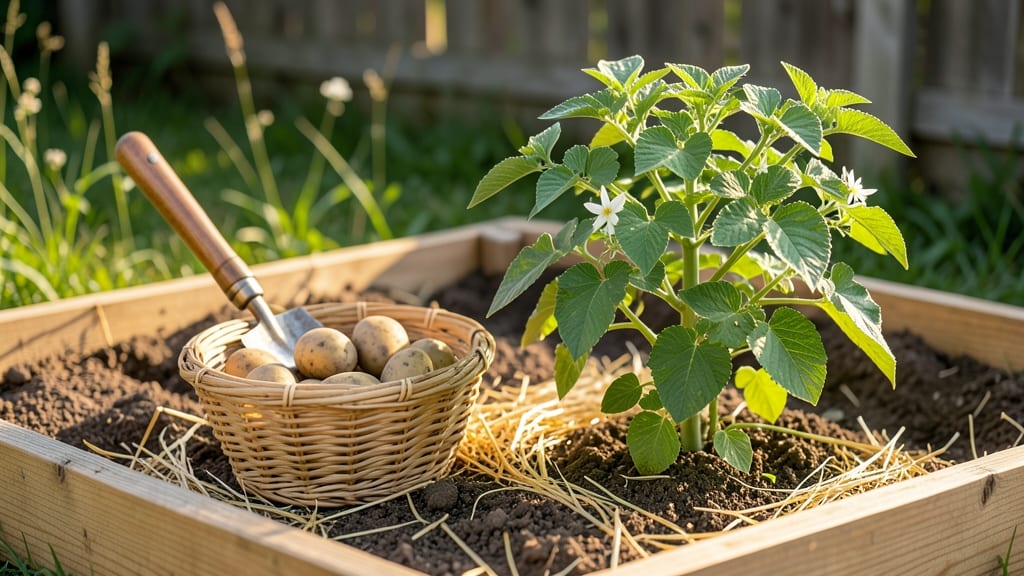
Timing when do you plant potatoes in Pennsylvania isn’t just about following a calendar—it's about outsmarting frost, soil temperatures, and the region's famously variable weather. Plant too early, and a late frost could wipe out your crop; too late, and you’ll miss the 90-day window for a full harvest.
The key lies in understanding your specific zone (most PA gardeners fall in 5-7) and knowing when the ground finally warms to 45°F—a threshold that signals it’s safe to tuck those seed potatoes into the earth.
For most of us in the Keystone State, that sweet spot arrives between March 15 and April 15, but early varieties can even go in as soon as February 15 if you’re willing to protect them with row covers or a cold frame. The goal?
Beat the last average frost date (around April 15 in Zone 6a) while giving your spuds enough time to mature before summer’s heat sets in.
Think of it like a game of timing chess—one wrong move, and you’re left with either stunted tubers or a garden full of flowers instead of food.
Here’s the game-changer: Pennsylvania’s microclimates mean your neighbor’s perfect planting window might not work for you. Urban gardens in Philadelphia’s Zone 7a can often start earlier than rural farms in the Poconos’ Zone 5b, where a late frost is still a real threat.
We’ll break down exactly how to adjust your strategy based on where you live, plus which potato varieties thrive in PA’s short-to-medium growing seasons. Spoiler alert: Yukon Gold and Red Pontiac are local favorites for a reason.
Ready to turn your garden into a potato powerhouse? Let’s dive into the exact dates, soil prep secrets, and variety picks that’ll have you digging up a bumper crop from June through August—no guesswork required. Your future meals (and your neighbors’ jealous glances at your harvest) will thank you.
Pennsylvania potato planting dates by hardiness zones (5-7)
Timing your potato planting in Pennsylvania depends on your USDA hardiness zone (5-7) and average last frost dates. Planting too early risks frost damage, while waiting too long cuts your growing season short. Here’s how to align your planting with Pennsylvania’s climate zones for maximum yield.
Most Pennsylvania gardeners fall into zones 5a-7a, with last frost dates ranging from mid-April in northern areas to early April in southern regions. The golden rule: plant seed potatoes 2-4 weeks before the last frost when soil temperatures hit 45°F (7°C). This ensures tubers sprout without freezing.
For extended harvests, Pennsylvania gardeners often plant two batches: early varieties in late February/March and late varieties in mid-April. This staggered approach ensures potatoes ready from June through August, even in shorter growing seasons.
Pro tip: Use a soil thermometer to confirm 45°F soil temps before planting. Cold soil delays sprouting and increases disease risk. If temps stay below 45°F, consider using black plastic mulch to warm the soil faster.
In Zone 5a, where frosts linger longer, opt for early-maturing varieties like 'Red LaSoda' (60 days) or 'Early Rose' (70 days). These complete their cycle before summer heat sets in. Meanwhile, Zone 7a gardeners can experiment with late-season varieties like 'Russet Burbank' for larger yields.
Remember: Pennsylvania’s microclimates can shift frost dates by weeks. Check your local agricultural extension office for precise last-frost data—it’s the best way to fine-tune your planting schedule for your specific county.
If you’re unsure about your zone, use the USDA Plant Hardiness Zone Map and enter your ZIP code. Most of Pennsylvania falls into zones 5-7, but elevation plays a role—higher areas (like the Poconos) may need to plant 2 weeks later than lowland regions.
For container growing, start seed potatoes indoors 4-6 weeks before your target outdoor planting date. Use well-draining pots and move them outside only after the last frost when nighttime temps stay above
Pennsylvania potato planting dates by hardiness zones (5-7)
Timing your potato planting in Pennsylvania depends on your USDA hardiness zone and the last average frost date in your area. Most of the state falls within zones 5a-7a, with frost dates ranging from early April in the south to late May in the mountains.
Planting too early risks frost damage, while waiting too long can shorten your growing season.
For zone 5a/b, aim to plant seed potatoes 2-4 weeks before your last frost date—typically between March 15 and April 15. Soils must reach at least 45°F (7°C) for optimal sprouting.
In zone 6a/b, you can start as early as February 20 for early varieties or wait until April 1 for slower-growing types.
Zone 7a gardeners enjoy the longest window, planting from March 1 to April 15. However, even in warmer zones, a late frost can still threaten young plants. Always check your local Penn State Extension frost maps for precise dates.
| Zone | Last Frost Date | Planting Window | Soil Temp |
|---|---|---|---|
| 5a | April 20-30 | March 15-April 15 | 45°F+ |
| 5b | April 10-20 | March 1-April 10 | 45°F+ |
| 6a | April 1-15 | February 20-April 1 | 45°F+ |
| 6b | March 25-April 5 | February 15-March 25 | 45°F+ |
| 7a | March 15-25 | March 1-April 15 | 45°F+ |
Early-season varieties like 'Early Red' or 'Yukon Gold' can be planted as soon as soils are workable, even before your last frost. These 60-90 day varieties mature quickly, reducing frost risk. For a longer harvest, plant mid-season types (90-110 days) like 'Kennebec' or 'Russet' 2-3 weeks after your early planting.
In zone 7a, you can even try a fall planting for late-season harvests! Plant seed potatoes in late August for a winter harvest before the first frost. Use row covers to extend the season.
Always chit your seed potatoes (sprout them indoors) 4-6 weeks before planting to jumpstart growth. This gives you a 2-3 week head start on the season, especially critical in colder zones.