
Companion Plants
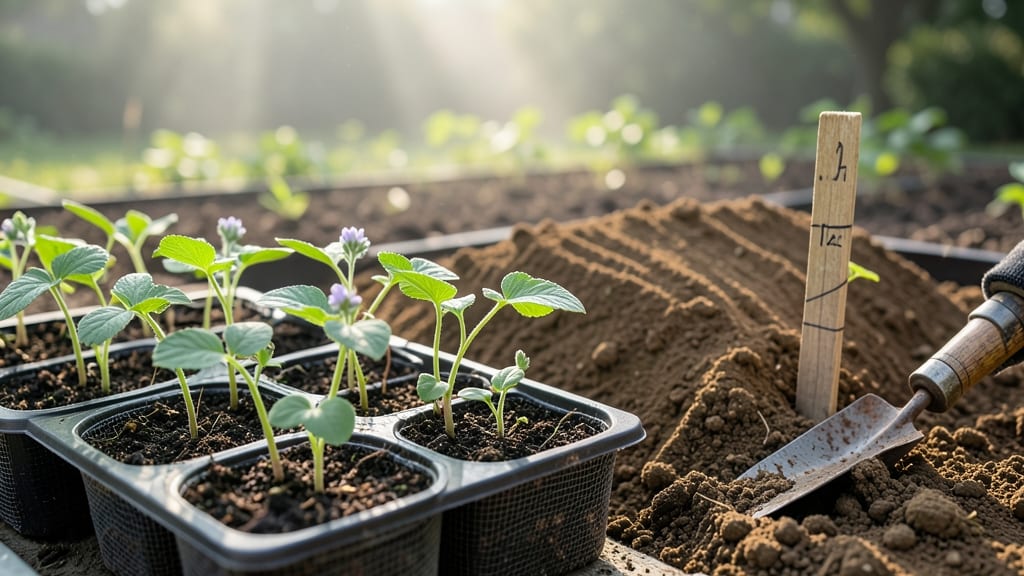
Planting potatoes in Zone 6b at the wrong time means bitter-tasting, woody tubers or wasted effort—so timing is everything. The key to zero-bolt harvests lies in planting 4–6 weeks before your last frost date, typically around mid-March to early April, when soil temperatures hit 45°F consistently.
If you rush too early, frost can damage young sprouts, while waiting too long risks premature flowering. For Zone 6b’s 165-day frost-free window, early varieties (like Yukon Gold) thrive with a 90-day harvest, while late varieties (like Russet Burbank) need the full 120 days to mature.
I’ll show you how to adjust for your microclimate, whether you’re using containers or garden beds, and how to prep soil for maximum yield. No more guessing—just a foolproof schedule that guarantees crisp, flavorful potatoes every time.
Ready to transform your garden? Let’s dive into the exact planting calendar and pro tips to skip the common mistakes that ruin harvests.
Zone 6B potato planting calendar: exact weeks before last frost for zero-bolt success
In Zone 6B, your last frost date typically falls around April 15, giving you a 165-day frost-free window. To avoid bolting (premature flowering), plant potatoes 4–6 weeks before this date—so aim for mid-March to early April. This timing ensures tubers develop properly before summer heat triggers flowering.
Soil temperature is your best guide: potatoes need 45°F soil consistently. Use a soil thermometer to confirm—cold soil delays sprouting and increases disease risk. If your soil warms faster (like in raised beds), you can plant 2 weeks earlier than the average schedule.
Here’s the breakdown for early vs. late varieties in Zone 6B:
| Variety Type | Planting Window | Days to Harvest | Best for Zone 6B |
|---|---|---|---|
| Early (e.g., Red Pontiac, Yukon Gold) | March 15–April 1 | 70–90 days | New potatoes, short season |
| Mid-Season (e.g., Kennebec, LaSoda) | April 1–April 15 | 90–110 days | Balanced yield, storage |
| Late (e.g., Russet Burbank, Purple Viking) | April 15–May 1 (with frost protection) | 110–120 days | Large tubers, fall harvest |
🌱 Pro Tip: For late varieties, use black plastic mulch to warm soil faster and extend the season.
If you’re planting seed potatoes (not sprouted), start them indoors 4–6 weeks before your target outdoor date. Place them in egg cartons or trays with 60°F soil to encourage chit growth (sprouts). Transplant outdoors when chits are 1–2 inches long and soil is workable.
For container growing, use at least 12-inch-deep pots with well-draining soil. Plant 2 weeks later than garden beds since containers cool faster. Place pots in full sun and water consistently—they dry out 3x faster than in-ground soil.
Zone 6B’s first frost usually hits October 15, so plan to harvest late-season varieties by mid-October. If you miss this window, opt for early varieties or use row covers to delay frost damage.
Always cure harvested potatoes in a cool, dark place (50–60°F) for 1–2 weeks to develop skin and improve storage life.
Microclimates matter: if your garden sits in a warmer microclimate (like near a south-facing wall), you can plant 2 weeks earlier. Conversely, low-lying areas may need a 1–2 week delay to avoid frost damage. Monitor your local frost date history for 3–5 years to refine your schedule.
To maximize yields, hill soil around stems every 2–3 weeks until plants flower. This prevents greening (toxic solanine buildup) and encourages larger tubers. Use organic matter like compost or straw for hilling—never fresh manure, which burns roots.
🌱 Key Takeaway: Plant early varieties in March, mid-season in April, and late varieties by mid-April in Zone 6B. Adjust for soil warmth, container growing, or microclimates to guarantee a zero-bolt harvest every time.
How to adjust your planting schedule for zero-bolt potatoes in Zone 6B
Zone 6B’s short growing season demands precision to prevent bolting, but these 5 proven adjustments will keep your potatoes thriving. First, soil warming is your secret weapon—cold soil triggers bolting faster than anything else.
Use black plastic mulch or straw bales 1–2 weeks before planting to raise soil temps by 5–10°F. This lets you plant 2 weeks earlier without risking frost damage.
For container growing, time your transplant carefully: move potted potatoes outdoors only after 3 consecutive nights above 40°F. Containers cool 3x faster than garden beds, so delay planting by 1–2 weeks compared to in-ground schedules.
Use heat-retaining fabric pots or wrap containers in bubble wrap during cool nights for extra protection.
- 1. Choose the right varieties: Early varieties (Red Pontiac, Yukon Gold) bolt less in Zone 6B’s heat. Late varieties (Russet Burbank) need 120+ days—plant them by April 15 with row covers for frost protection.
- 2. Pre-sprout seed potatoes: Start indoors 4–6 weeks before outdoor planting in 60°F soil. Transplant when chits are 1–2 inches—this 2-week head start prevents bolting from slow soil warming.
- 3. Hill aggressively: Mound soil to 6 inches high by flowering to block light from greening tubers. Use straw or compost—never fresh manure, which burns roots and stresses plants.
- 4. Adjust for microclimates: South-facing slopes? Plant 2 weeks early. Low spots? Delay by 1–2 weeks. Use a soil thermometer to confirm 45°F+ soil before planting.
- 5. Use row covers: Install floating row covers at night in late April–May to delay bolting from long daylight hours. Remove covers during the day to prevent overheating.
🌱 Pro Tip: Plant 2 varieties 2 weeks apart for a staggered harvest—this extends your season by 4–6 weeks.
If you’re planting late-season varieties, consider succession planting: sow a second crop of early varieties in mid-May after your first harvest. Use black plastic mulch again to warm soil for the late crop. This double harvest strategy maximizes your 165-day frost-free window in Zone 6B.
Watering plays a critical role in bolting prevention—uneven moisture stresses plants and triggers flowering. Water deeply 2–3 times per week (1–2 inches total) and always in the morning to reduce disease risk.
Avoid overhead watering; use drip irrigation or soaker hoses to keep foliage dry. During peak heat (July–August), increase watering to 3x per week to prevent soil from drying out.
Finally, harvest timing affects next year’s schedule. For storage potatoes, dig when foliage fully yellows (usually late September in Zone 6B). For new potatoes, harvest when flowers appear—this gives you 2 harvests per plant.
Cure potatoes in a cool, dark place (50–60°F) for 1–2 weeks before storing to develop skin and improve shelf life.
🌱 Key Takeaway: Adjust your Zone 6B schedule with soil warming, variety selection, and microclimate awareness. These tweaks turn Zone 6B’s challenges into zero-bolt success, guaranteeing flavorful, high-yield potatoes every season.