
Plants
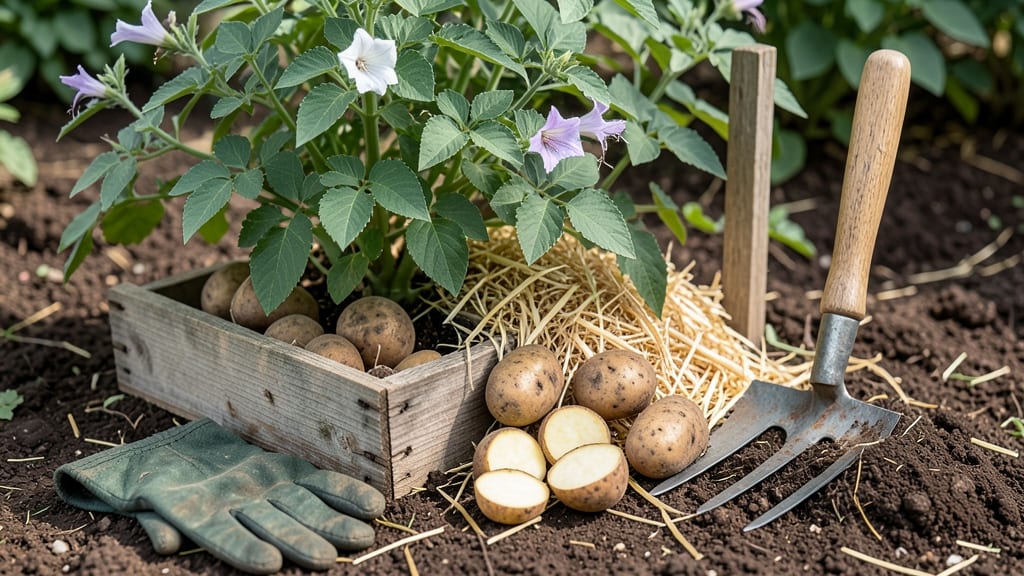
Planting potatoes in Louisiana might seem straightforward, but getting the timing right is the key to avoiding blight and maximizing your harvest.
With USDA zones 8a-9b offering a long growing season, you can actually plant potatoes twice a year—but most gardeners miss the sweet spot between frost risk and peak harvest.
The ideal window for most varieties is February to March, giving you April to June harvests before summer heat sets in. However, late-season varieties can stretch into July, and with Louisiana’s mild winters, some gardeners even experiment with fall plantings.
The trick is balancing soil warmth, humidity, and blight risks.
Whether you're growing Yukon Golds for their buttery texture or Russets for baking, the right timing ensures your 🥔 plants thrive. I’ll break down exactly when to plant based on your specific heat zone, plus pro tips to avoid common pitfalls like early blight or stunted growth.
Ready to grow potatoes that actually yield? Let’s dive into the perfect planting schedule for Louisiana’s climate—so you can enjoy homegrown spuds without the guesswork.
Louisiana potato planting calendar by heat Zone (Zone 8a-9b)
Louisiana’s warm climate lets you grow potatoes year-round, but timing matters to avoid early blight and maximize yields. The state spans USDA Zones 8a-9b, with coastal areas (like New Orleans) in Zone 9a and northern regions (like Shreveport) in Zone 8a.
Each zone has its own optimal planting window to balance heat and humidity.
In Zone 8a (northern LA), plant early varieties like 'Yukon Gold' in late January to early February, while late varieties like 'Russet' go in March to early April. For Zone 9a/9b (southern LA), shift planting to February to March to avoid summer heat stress.
Here’s how to align your planting with Louisiana’s microclimates and heat zones for zero-frost success:
For Zone 8a, aim to harvest before summer humidity peaks (June–July), as this is when early blight thrives. In Zone 9a/9b, prioritize spring planting to escape the oppressive heat of August–September, which can stunt tuber growth.
Pro tip: Use black plastic mulch in southern zones to raise soil temps and suppress weeds. This extends the growing season by 2–3 weeks in humid coastal areas.
If you’re in Zone 9b (like Houma), try a fall planting of early varieties in August–September for a winter harvest. Just ensure tubers mature before the first frost (usually December 1).
For organic gardeners, consider sprouted seed potatoes (chit them indoors 4–6 weeks before planting) to jumpstart growth in Louisiana’s warm soil. This is especially helpful in Zone 9a/9b, where soil temps can exceed 80°F by April.
Always test your soil pH—Louisiana’s native soils are often acidic (pH 5.0–6.0). Aim for pH 5.8–6.5 by amending with lime or wood ash to prevent scab disease, a common issue in humid climates.
🌱
How to adjust planting timing for Louisiana’s microclimates
Louisiana’s climate isn’t one-size-fits-all—coastal areas like New Orleans face higher humidity and warmer soils earlier than inland regions near Shreveport. These microclimates mean your planting window could shift by 2-4 weeks depending on where you garden.
For example, Zone 9a gardeners in the south can start as early as January, while Zone 8a growers in the north should wait until late February.
Humidity is your biggest challenge—too much moisture accelerates potato blight, so adjust your schedule to avoid spring rains (March-April). Coastal gardeners should prioritize disease-resistant varieties like 'Red LaSoda' or 'Kennebec', while inland areas can handle longer-season types like 'Russet Burbank' with better success.
Here’s how to fine-tune your timing based on your location:
- 📅 Start planting: January-February
- 🌡️ Soil temp: 60°F+ (test with a thermometer)
- ⚠️ Blight risk: High—use mulch and fungicides
- 📅 Start planting: February-March
- 🌡️ Soil temp: 55°F+ (warmer soils = faster sprouting)
- ⚠️ Blight risk: Moderate—space plants wider
For fall harvests, aim to plant late summer (August-September) for a November-December crop—just be prepared to cover plants with row covers if frost threatens. Louisiana’s mild winters often allow this, but monitor first frost dates (typically December 1 in most zones).
Soil prep is just as critical as timing. Louisiana’s clay-heavy soils need amendments like compost or sand to improve drainage—especially in low-lying coastal areas where water pools. Test your soil’s pH (aim for 5.0-6.0) and add lime if needed, as Louisiana’s natural acidity can stunt tuber growth.
Mulching is non-negotiable in Louisiana’s heat. Use straw or grass clippings to keep soil temps stable and reduce evaporation. In Zone 9a, mulch heavily in April-May to protect tubers from heat stress, while Zone 8a gardeners should mulch in March to warm the soil faster.
Finally, rotate your planting spot every 3-4 years to prevent soil-borne diseases. Louisiana’s humid climate makes this especially important—avoid planting potatoes where tomatoes, peppers, or eggplants grew the previous year, as they share diseases.