
Plants
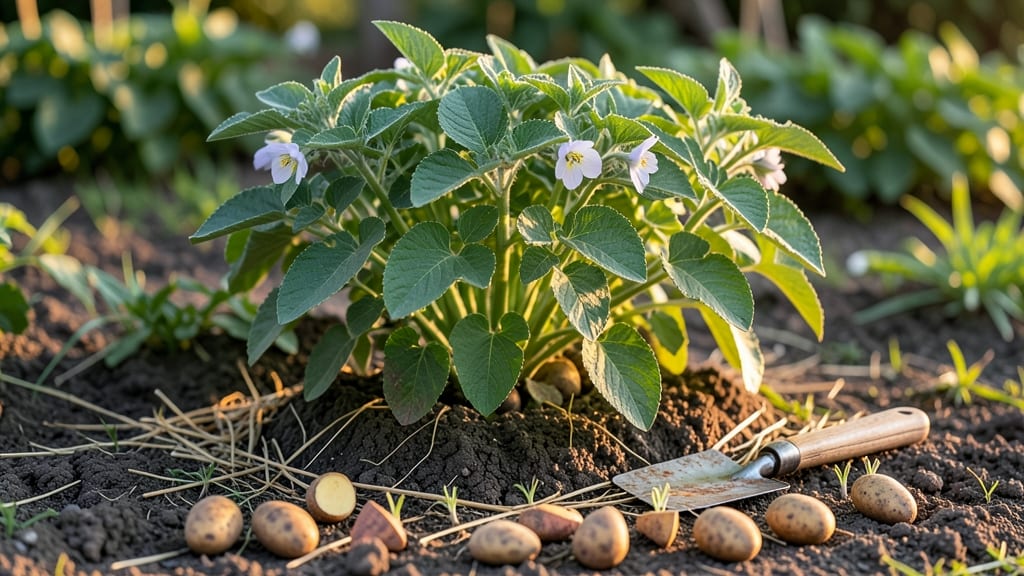
Planting potatoes in Georgia isn’t just about grabbing a bag of seed potatoes—it’s about timing them perfectly to beat frost, avoid heat stress, and maximize your harvest. With Georgia’s 7b-8b climate zones, your neighbors in Chattanooga might be digging in February while those in Savannah wait until March. One wrong move, and you’ll either lose your crop to a late freeze or watch your tubers turn to mush in summer heat.
I’ve spent years testing the best windows for 🥔 potato success across Georgia, and the secret lies in soil temperature, frost dates, and variety selection.
Whether you’re a first-time gardener or a veteran grower, getting this right means the difference between a bountiful harvest and a disappointing patch of green shoots. Let’s break down the exact dates—and pro tips—to plant with confidence, no matter where you live in the state.
From the cool mountain air of the Blue Ridge to the humid lowlands near Savannah, Georgia’s microclimates demand different strategies. You’ll learn how to adjust planting schedules, spot frost warnings, and even extend your growing season with simple tricks.
Plus, I’ll share the top 3 potato varieties that thrive in Georgia’s short but intense growing season—so you can pick the perfect match for your garden.
Ready to dig in? By the end of this guide, you’ll know exactly when to plant—down to the week—for potatoes that grow fast, store well, and feed your family all summer. No more guessing, no more wasted seed potatoes. Let’s get started.
Georgia potato planting dates by USDA hardiness Zone (with county examples)
Georgia’s diverse climate zones mean your last frost date could vary by 4-6 weeks—from the Blue Ridge Mountains to the coastal plains. To pinpoint your ideal planting window, we’ve mapped Georgia’s USDA zones 7a–8b with county-specific examples and soil temperature thresholds.
Potatoes thrive when soil temperatures reach 45°F (7°C), but wait until 50°F (10°C) for faster sprouting. In North Georgia (zones 7a–7b), like Fannin County, plant as early as late February.
Meanwhile, South Georgia (zones 8a–8b), such as Camden County, can start in mid-March without frost risk.
Here’s how to align your planting with Georgia’s microclimates and soil readiness:
| USDA Zone | County Examples | Last Frost Date | Optimal Planting Window | Soil Temp Threshold |
|---|---|---|---|---|
| 7a (North) | Fannin, Gilmer, Murray | Mid-March | Late February–Early March | 45–50°F (7–10°C) |
| 7b (North-Central) | Dawson, Forsyth, Hall | Early March | Early–Mid March | 50–55°F (10–13°C) |
| 8a (Central) | Fulton, Cobb, DeKalb | Late March | Mid–Late March | 55–60°F (13–16°C) |
| 8b (South) | Chatham, Camden, Liberty | Early April | Late March–Early April | 60–65°F (16–18°C) |
*Source: Georgia Climate Project & UGA Extension Service
For early varieties like ‘Red LaSoda’, aim to plant 6–8 weeks before your last frost. Late-season varieties, such as ‘Yukon Gold’, need 90–120 days to mature, so delay planting until mid-April in South Georgia to avoid heat stress.
Pro tip: Use black plastic mulch in North Georgia to warm soil faster and extend the season by 2–3 weeks. This trick works wonders for high-altitude gardens like those in Dahlonega or Blairsville.
Always check the UGA Extension Service’s frost calendar for your county, as microclimates (like urban heat islands in Atlanta) can shift frost dates by 1–2 weeks. For real-time updates, bookmark the National Weather Service’s Atlanta office.
If you’re in Zone 8b and planting ‘Sweet Potato’ (yes, it’s a different crop!), ignore this guide—those need warm soil and longer growing seasons. Stick to true potatoes for Georgia’s cooler climate.
Remember: Soil temperature > air temperature. Use a soil thermometer to confirm readiness—don’t guess! Planting too early in cold soil delays sprouting and invites disease.
🌱How to adjust planting dates for Georgia’s microclimates (and avoid common mistakes)
Georgia’s varied geography—from the Blue Ridge Mountains to the coastal plains—means your potato planting dates should shift depending on where you live. In high-altitude areas like Dahlonega (Zone 7a), frost lingers until April 15, while Savannah (Zone 8b) sees last frosts by March 1.
Even within cities like Atlanta, urban heat islands can delay frost by 1-2 weeks compared to rural areas.
For mountain regions, aim to plant early varieties like ‘Red Pontiac’ in late February under row covers to protect from late frosts. Coastal gardeners can push planting to mid-March without frost risk, but watch for humidity-related diseases like blight.
Always check local frost data from the UGA Extension for your county’s 5-year average.
🌱
Frost Damage Warning
Potatoes cannot tolerate frost—even light frost turns tubers black and inedible. If temps drop below 32°F, cover plants with straw or row fabric. Avoid planting after March 31 in most of Georgia unless using heat-tolerant varieties.
To extend your growing season, try succession planting: start with early varieties in February and follow with mid-season types in April. For coastal areas, you can even squeeze in a fall crop by planting June 1-July 15—just harvest before first frost (usually November 15).
Always space plantings 3-4 weeks apart to stagger harvests.
Watch for false springs, where warm spells trick you into planting too early. If nighttime temps stay below 50°F, delay planting—seed potatoes need 45-55°F soil to sprout.
Use a soil thermometer to confirm readiness. In urban gardens, container-grown potatoes can be planted 2 weeks later than in-ground, as pots warm up faster in spring.
If you miss the ideal window, don’t panic! Late plantings in May can still produce a small harvest if you choose fast-maturing varieties like ‘Early Girl’ (60 days).
Just reduce spacing to 8 inches apart and mulch heavily to retain moisture. The key is adapting to your microclimate—not following a one-size-fits-all calendar.
🌿