
Plants
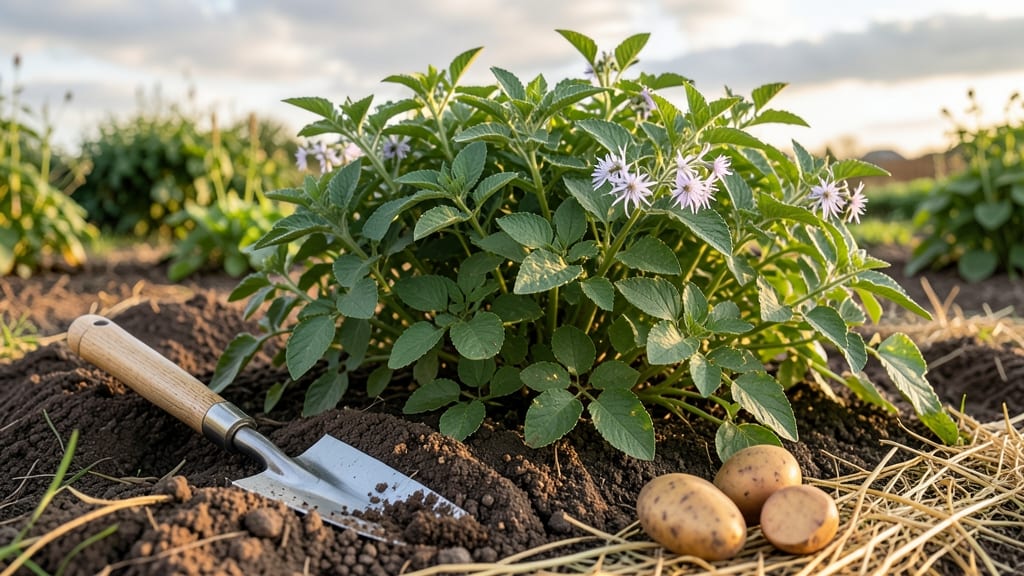
Planting fall potatoes in Louisiana isn't just about tossing seed potatoes into the dirt and hoping for the best—it’s about nailing the timing to beat the heat and avoid frost. Miss the window, and you’ll either bake your crop in summer’s lingering warmth or watch it wither before harvest.
The key? Starting between late August and early October when soil temps dip just enough to encourage growth without inviting disease.
Why does this matter so much? Louisiana’s 8a-9b zones give you a longer growing season than most places, but even here, a few weeks can mean the difference between a bumper harvest and wasted effort.
I’ve seen gardeners plant too early and lose tubers to rot, or too late and get frost-nipped sprouts. The good news? With the right schedule and a few local tweaks, you can grow 🥔 potatoes that thrive through winter—even in humid conditions.
In this guide, I’ll walk you through the exact planting windows for Louisiana’s climate, including how to adjust for coastal heat vs. inland chill. You’ll learn which varieties handle late-season planting best, how to prep soil for maximum yield, and what to watch for when the first frost sneaks up.
No more guesswork—just a foolproof plan to turn your garden into a potato powerhouse.
Ready to dig in? Let’s break down the steps so you can plant with confidence and harvest like a pro—no matter where you are in the state.
Louisiana heat Zone deadlines for fall potato planting (by variety)
Louisiana’s USDA Zones 8b-9a give you a 6-week window for fall potato planting, but missing the mark means rot or frost damage. The key? Planting 4-6 weeks before your first frost—typically late August to early October—while ensuring tubers mature before mid-December’s last frost.
Not all potato varieties thrive in Louisiana’s humid heat. Early varieties like ‘Yukon Gold’ or ‘Red LaSoda’ mature in 90-100 days, while late varieties like ‘Russet Burbank’ need 120+ days. Choose wisely to avoid overripe tubers before winter sets in.
Soil temperature matters too. Potatoes sprout best when soil reaches 45°F (7°C)—waiting for cooler temps prevents scorch but risks late-season pests. Test your soil with a thermometer before planting.
Here’s your timeline by variety to guarantee a harvest before frost:
Pro tip: Use black plastic mulch to warm soil faster in cooler inland zones. This buys you 10-14 extra days of growing time before frost.
For coastal Louisiana, where humidity spikes in fall, opt for disease-resistant varieties like ‘Sweetheart’ or ‘Katahdin’. Their waxy skins resist late-season blight, a common issue in New Orleans’ Zone 9a.
If you’re in northern Louisiana (e.g., Shreveport), prioritize earlier varieties like ‘Dakota Pearl’. These mature in 85 days, giving you a December harvest before hard frosts hit.
Always chit your seed potatoes (sprout them indoors) 4-6 weeks before planting. This ensures faster emergence in Louisiana’s short fall window.
Miss the deadline? Don’t panic. Row covers or low tunnels can extend your harvest by 2-3 weeks—just remove them during the day to prevent heat stress.
How to adjust planting dates for Louisiana’s microclimates (coastal vs. north)
Louisiana’s diverse climate—from New Orleans’ coastal humidity to Shreveport’s inland dryness—means your fall potato planting dates should shift based on location. Coastal areas like Zone 9a (e.g., Baton Rouge) can plant potatoes 2-3 weeks later than northern regions like Zone 8b (e.g., Monroe), where cooler nights arrive sooner.
This adjustment prevents heat stress in early plantings or frost damage in late ones.
For coastal Louisiana, aim to plant late September to early October to avoid hurricane season’s late rains (June-November) and still harvest before mid-December’s average first frost.
Inland areas should plant mid-August to late September to give tubers enough time to mature before earlier frosts creep in by early November.
Soil temperatures are your best guide: Wait until soil cools to 60-65°F (use a soil thermometer) before planting. Coastal soils stay warmer longer, while inland soils may drop below this threshold by mid-September. Planting too early in cooler zones risks stunted growth from slow soil warming.
| Region | USDA Zone | Planting Window | Soil Temp Goal | Key Risk |
|---|---|---|---|---|
| Coastal (New Orleans, Baton Rouge) | 9a | Late Sept–Early Oct | 60–65°F | Hurricane flooding |
| North (Shreveport, Monroe) | 8b | Mid-Aug–Late Sept | 60–65°F | Early frost |
Soil prep also varies by region: Coastal gardeners should amend clay-heavy soils with sand and compost to improve drainage, while northern growers focus on adding organic matter to retain moisture in drier conditions. Test your soil’s pH (5.8–6.5)—acidic soils in coastal areas may need lime, while alkaline northern soils might need sulfur.
If you’re in a transition zone (e.g., Lafayette), split your planting: 50% early (mid-August) for a November harvest and 50% late (early October) for a January harvest.
This staggered approach spreads risk and ensures a steady supply of new potatoes and storage varieties like Yukon Gold or Red Pontiac.
For late plantings, use row covers or black plastic mulch to extend the season by 2–3 weeks. These tools trap heat and protect tubers from light frosts (28–32°F), letting you harvest into early January in most of Louisiana.
Just remove covers 1–2 weeks before harvest to harden off the plants and prevent green skin from sunlight exposure.