
Companion Plants
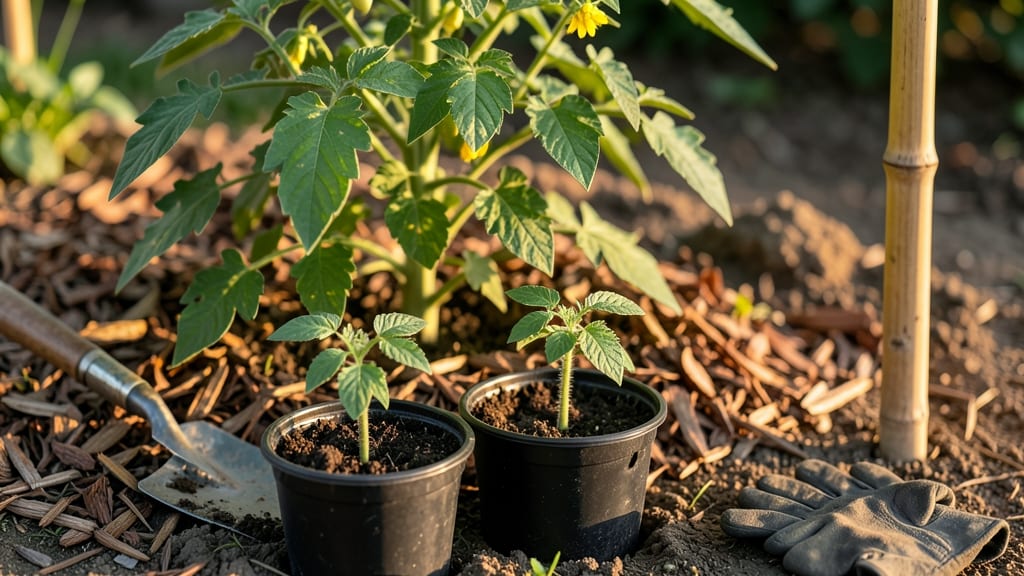
Planting tomatoes in Florida isn't just about grabbing a seed packet and sticking it in the dirt—getting the timing right means the difference between a thriving 🍅 harvest and a sad, wilted disappointment.
With Florida's frost-free growing seasons stretching from January to December, you might think you can plant anytime. But heat zones, summer humidity, and seasonal pests all play a role.
Whether you're in chilly Zone 8a or balmy Zone 11, knowing the best months to start seeds indoors, transplant outdoors, and avoid common mistakes will set you up for success.
I’ve grown tomatoes across Florida’s heat zones, and what I’ve learned could save you from wasted effort. From February-March for spring plantings to July-August for fall harvests, we’ll break down the ideal windows for your specific location—plus how to extend your growing season for year-round tomatoes.
Ready to skip the guesswork? Let’s dive into the exact planting schedule that’ll have your tomatoes flourishing, no matter where you are in the Sunshine State.
Florida heat zones explained: the best months to plant tomatoes
Florida’s unique climate means you can grow tomatoes almost year-round, but your heat zone determines the best planting windows. The state spans from Zone 8a (North Florida) to Zone 11 (South Florida), with each zone offering different frost risks and heat tolerance thresholds.
Understanding your zone helps you avoid heat stress in summer or disease pressure in humid months.
For example, gardeners in Zone 8a (like Jacksonville) can start seeds indoors as early as January, while those in Zone 11 (like Miami) can plant outdoors in January or February without frost concerns.
The key is aligning your planting with soil temperatures and seasonal pests—like fungal diseases that peak in summer humidity.
Here’s a breakdown of Florida’s 11 heat zones and the ideal planting windows for each, including soil temperature requirements and seasonal considerations:
| Zone | Best Planting Months | Soil Temp Requirement | Key Considerations |
|---|---|---|---|
| 8a (North FL) | Indoors: Jan-Feb Outdoors: Mar-Apr |
60°F+ | Risk of late frost; use row covers. |
| 8b (Central FL) | Indoors: Feb-Mar Outdoors: Mar-Apr |
60°F+ | Humidity rises in summer; opt for disease-resistant varieties. |
| 9a (North-Central FL) | Indoors: Feb-Mar Outdoors: Feb-Apr |
60°F+ | Longer growing season; succession plant for fall harvests. |
| 9b (Central FL) | Outdoors: Jan-Apr, Aug-Sep | 60°F+ | Summer heat stress; use shade cloth for young plants. |
| 10a (South-Central FL) | Outdoors: Jan-Apr, Jul-Aug | 60°F+ | Year-round planting possible; avoid peak summer (June-July). |
| 10b (South FL) | Outdoors: Jan-Apr, Jul-Aug, Oct-Nov | 60°F+ | Humidity is high; prioritize airflow and fungicide sprays. |
| 11 (South FL) | Outdoors: Jan-Apr, Jul-Aug, Oct-Nov | 60°F+ | No frost risk; focus on heat-tolerant varieties like 'Solar Fire'. |
In Zones 8a-8b, where frost is a risk, start seeds indoors 8-10 weeks before your last frost date (typically mid-February). Transplant outdoors only after soil temperatures hit 60°F—use a soil thermometer to check.
In Zones 9a-11, you can plant directly outdoors year-round, but avoid peak summer months (June-July) when heat stress and pests surge.
Pro tip: Use black plastic mulch in spring to warm the soil faster and retain moisture during Florida’s dry spells. This is especially helpful in Zone 8a, where cooler nights slow germination.
For fall harvests, aim to plant in July-August in most zones. In Zone 11, you can even plant a winter crop in October-November for harvests in late winter or early spring. The key is choosing heat-tolerant varieties like 'Celebrity' or 'Heatmaster' for summer plantings.
Remember, Florida’s humidity can lead to fungal diseases like early blight or powdery mildew. Always space plants 18-24 inches apart for airflow and remove lower leaves to prevent soil-borne pathogens from splashing onto foliage.
Succession planting strategies for year-round tomato harvests in Florida
Succession planting is your secret weapon for year-round tomato harvests in Florida. Instead of one big planting, stagger your efforts to keep fresh fruit on the vine from spring through fall.
This method works by planting new batches every 4-6 weeks, ensuring a continuous supply of ripe tomatoes without overwhelming your garden at once.
In Florida’s climate, you’ll focus on two main planting windows: spring (February-March) and fall (July-August). Spring varieties thrive in cooler months, while fall plantings take advantage of the slightly milder temperatures before summer heat peaks.
For North Florida gardeners in Zones 8a-9a, you might even squeeze in a winter harvest with cold-hardy varieties like ‘Florida 47’ or ‘Celebrity’.
Here’s how to plan your succession plantings for maximum success:
- Start indoor seeds in January (6-8 weeks before last frost). Use grow lights for 14-16 hours/day.
- Transplant seedlings outdoors in February after soil warms to 60°F. Choose heat-tolerant varieties like ‘Sunny’ or ‘Heatmaster’.
- Make a second planting in early March for a late-spring harvest. Use black plastic mulch to retain heat.
- Harvest begins in April-May, with peak production in June before summer heat slows growth.
For fall plantings, shift your focus to July-August to avoid the brutal summer heat. Start seeds indoors in June and transplant in early July. Choose varieties like ‘Better Boy’ or ‘Early Girl’, which handle Florida’s humidity well.
Your second fall planting should go in mid-August for a harvest in September-October, just before cooler weather arrives.
Pro tip: Use shade cloth during peak summer months to protect seedlings from intense sun. A 30-50% shade cloth can drop soil temperatures by 10-15°F, making it easier for young plants to establish roots.
Pair this with drip irrigation to keep moisture consistent without wetting the foliage, which reduces disease risk.
To avoid overlapping harvests that lead to poor fruit quality, space your plantings 4-6 weeks apart. For example, if your first spring batch goes in February 1st, your second should be March 15th, and your fall batch July 1st.
This spacing ensures you’re always harvesting from one batch while the next is maturing.
Don’t forget to rotate your planting locations each season to prevent soil-borne diseases like verticillium or fusarium wilt. Florida’s warm, humid climate is a breeding ground for these issues, so crop rotation is non-negotiable. If space is limited, consider container gardening with fresh potting mix each season.
With this strategy, you’ll enjoy homegrown tomatoes year-round, from sweet cherry varieties in spring to juicy beefsteaks in fall. The key is adapting to your zone—North Florida gardeners will focus on cooler-season varieties, while South Florida can push for year-round production with minimal breaks.