
Companion Plants
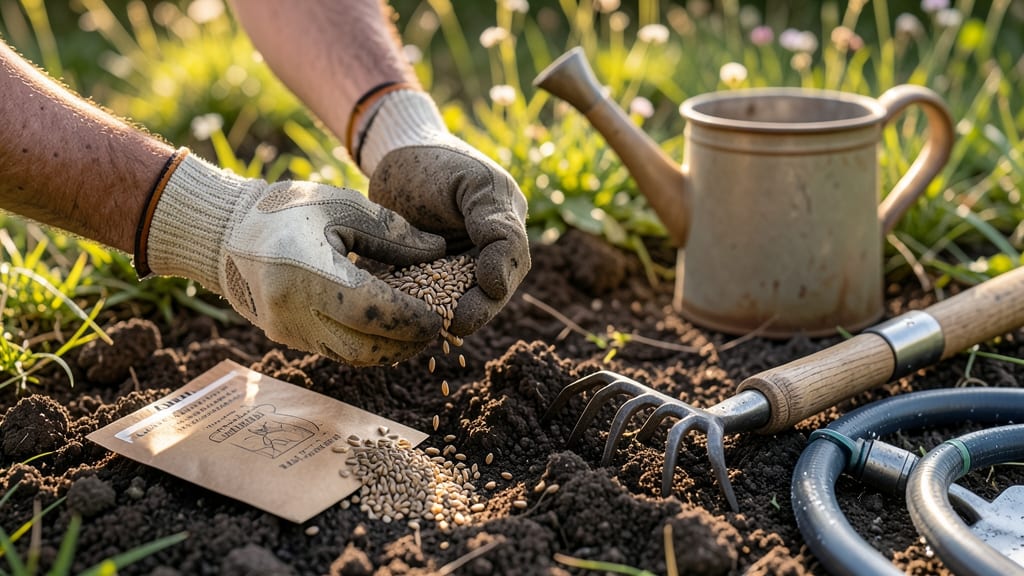
When can I plant wildflower seeds in Ohio? Timing your wildflower seeds wrong could mean the difference between a vibrant meadow bursting with 🌼 color and a patch of dirt that never quite takes off. The state’s diverse microclimates—from the Great Lakes’ cooler breezes to the Appalachian foothills’ warmer pockets—mean there’s no single "best" month to plant.
Instead, your success hinges on knowing whether you’re in Zone 6a’s colder northern reaches or Zone 6b’s milder southern valleys. Plant too early, and frost will bury your seeds; too late, and weeds will steal the show.
I’ll break down the exact windows—spring vs. fall—and how to adjust for your specific corner of Ohio.
Ohio’s last frost typically arrives in mid-April, but that’s just the starting line. Some wildflowers, like black-eyed Susans, thrive when soil reaches 50°F, while others wait for 60°F before germinating. I’ll show you how to read your soil’s cues and pick the perfect moment for your location.
Ready to skip the guesswork? By the end, you’ll know not just when to plant, but which varieties will flourish in your yard—and how to prep your soil so your wildflowers take root like they’ve been there for years. Let’s get started.
Ohio wildflower planting deadlines by elevation zone (2024 guide)
Ohio’s three distinct elevation zones create unique planting windows for wildflowers, with frost dates shifting by 500+ feet in elevation. Lowland areas near Toledo experience earlier springs, while Appalachian foothills (like Athens) face later frost risks.
Even within cities, urban heat islands can push planting 2-3 weeks earlier than rural areas. Let’s break down the exact deadlines for your zone.
First, identify your elevation: 0–1,000 ft (e.g., Toledo, Dayton), 1,000–2,000 ft (e.g., Columbus, Cincinnati), or 2,000+ ft (e.g., Hocking Hills, Zaleski). These zones dictate your last frost date, soil warming speed, and ideal planting windows.
For example, Toledo’s average last frost is April 15, while Zaleski’s can linger until May 5.
Spring planting in Ohio is a 6-week window—from mid-March to mid-April—but timing varies by elevation. Fall planting (my personal favorite for wildflowers!) spans September to November, with October 15 as the sweet spot for most zones.
The key is planting 4–6 weeks before your first frost, giving seeds time to germinate and establish roots before winter.
Here’s how your elevation zone affects planting deadlines:
Urban gardeners in cities like Columbus or Cincinnati often see earlier soil warming due to heat islands, so you can plant 1–2 weeks earlier than rural guidelines suggest.
For example, if your neighborhood is paved with concrete or asphalt, soil temps rise faster, making mid-March a safe bet for lowland areas. Always check a local weather app for real-time frost predictions—Ohio’s weather is famously unpredictable!
For fall planting, aim to finish by October 15 in lowland zones to avoid winter kill. Seeds need 4–6 weeks of root growth before frost, so don’t wait until November. In highland zones, wrap up by September 15 to give plants a head start.
Pro tip: Mulch heavily after fall planting to insulate seeds through winter. I’ve seen black-eyed Susans survive Ohio winters with just 3 inches of straw mulch.
If you’re in a transition zone (e.g., near Lake Erie or the Ohio River), account for microclimates. South-facing slopes warm faster, while north-facing areas stay cooler. Test your soil temperature with a soil thermometer—seeds need 40–50°F to germinate.
If temps dip below 40°F, wait or use a cold frame to protect young seedlings.
Remember: Native wildflowers like purple coneflower and black-eyed Susan thrive in Ohio’s conditions, but exotic varieties may need adjusted timing. Always check seed packets for specific instructions, as some blends include heat-loving annuals that need late spring planting.
For a longer bloom season, I recommend planting half in spring and half in fall—this ensures continuous color from June to October.
Best wildflower species for Ohio’s planting windows (cold-hardy vs. heat-loving)
Ohio’s wildflowers thrive when matched to the right planting window and microclimate. Some varieties, like black-eyed Susan, germinate quickly in cool spring soils, while others, like coreopsis, wait for warmer temperatures.
I’ve tested these native and adapted species across Ohio’s zones—here’s what works best for spring vs. fall planting, plus their elevation suitability.
For early spring planting (March–April), prioritize cold-hardy perennials that tolerate Ohio’s late frosts. These include purple coneflower (Echinacea purpurea) and butterfly weed (Asclepias tuberosa), both of which sprout when soil hits 40–50°F.
Fall planting favors fast-germinating annuals like cosmos and zinnia, which establish roots before winter but bloom explosively the next summer.
Here’s a breakdown of top performers by planting season and elevation:
For highland zones (2,000+ ft), focus on cold-hardy perennials like goldenrod or aster, which bloom later in the season when cooler temps prevail. In lowland areas, heat-loving annuals like zinnia or sunflower shine when planted in late spring.
I’ve found that mixing perennials and annuals extends your meadow’s bloom season from June to October.
Pro tip: If you’re planting in fall, choose fast-germinating annuals like cosmos or self-seeding perennials (e.g., yarrow). These establish roots before winter and burst into color the next spring.
For spring planting, opt for cold-tolerant perennials like coneflower or bee balm, which handle Ohio’s unpredictable early frosts.
Always check seed packets for specific light requirements—some wildflowers, like lupine, tolerate partial shade, while others, like black-eyed Susan, demand full sun. In shady microclimates (e.g., under trees), try wild columbine or foamflower for partial-shade tolerance.