
Plants
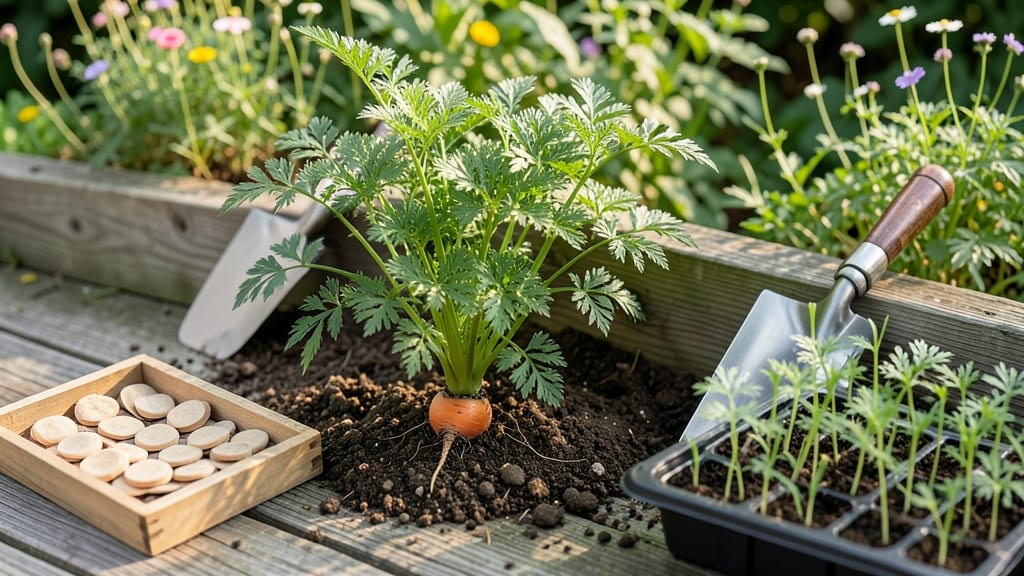
Planting carrots in Zone 6 isn’t just about checking the calendar—it’s about unlocking the secret to fast germination when soil temperatures finally cooperate.
Those tiny seeds need warmth to break dormancy, and in Zone 6’s fickle climate, waiting too long can mean slow starts or worse, giving up before your 🥕 even sprout.
Most gardeners assume early spring is the only window, but the truth is more nuanced. You’ve got a 60-day race against frost to get seeds in the ground when soil hits 45°F or warmer, and missing that mark can leave you scrambling.
The key isn’t just timing—it’s prepping your soil the right way so those seeds don’t sit in cold, stubborn earth waiting for a miracle.
What if I told you there’s a way to cheat the system? With a few simple tricks—like using black plastic mulch or starting seeds indoors—you can shave weeks off the germination timeline and extend your harvest window.
I’ll show you exactly how to turn Zone 6’s unpredictable growing season into your advantage, so you’re not left with empty rows by summer’s end.
Ready to ditch the guesswork? Let’s break down the exact months to plant, the soil temperature hacks that work in 6a, and the common mistakes that turn your carrots into a gamble instead of a guaranteed harvest. Your next crunchy, sweet victory starts here.
Zone 6 carrot planting calendar: best months by soil temperature
Zone 6 gardeners face a unique challenge with carrots: cold soil that can delay germination for weeks or even months. Unlike heat-loving plants, carrots need soil temperatures of at least 45°F to sprout, but they thrive best between 60°F–75°F.
Missing this window means slow starts or no growth at all. I’ve planted carrots here for years, and I’ve learned the exact timing that separates success from frustration.
Your last frost date in Zone 6 typically falls around April 15, but soil warms weeks after air temperatures rise. That’s why I always check soil temps with a soil thermometer—it’s the only way to know for sure when it’s safe to plant.
Skipping this step is a common mistake that leads to rotten seeds or stunted growth.
For spring planting, aim for March to early May when soil reaches 50°F+. This gives you a 60–80 day harvest window before summer heat stresses the plants. Fall planting is trickier but possible—late August to early September works if you want a winter harvest before frost.
Here’s the key: Early varieties like ‘Paris Market’ or ‘Little Finger’ germinate faster in cool soil, while late varieties like ‘Danvers’ need warmer temps. I always plant a mix to hedge my bets against Zone 6’s unpredictable spring.
| Planting Window | Soil Temp Requirement | Zone 6 Timing | Harvest Window |
|---|---|---|---|
| Early Spring | 45°F–55°F | Mid-March to April | Late June to August |
| Late Spring | 55°F–65°F | May to early June | August to September |
| Fall | 50°F–60°F | Late August to early Sept | October to November |
If you’re planting in February, use seedling trays indoors under grow lights—carrots need 12–14 hours of light to germinate properly. I’ve had success with this method, but it requires patience since seedlings are delicate and transplant poorly. For outdoor planting, March is your safest bet in Zone 6.
One trick I swear by? Black plastic mulch laid down 1–2 weeks before planting. It warms the soil 5–10°F faster than bare earth, giving you an earlier start. Just remove it once sprouts appear to avoid overheating. This method has cut my germination time in half!
For fall planting, focus on short-day varieties like ‘Nantes’ or ‘Chantenay’ to avoid bolting (flowering) before frost. Plant 8–10 weeks before your first frost—for Zone 6, that’s late August. Use row covers in early fall to extend the season if nights dip below 40°F.
Remember: Carrots hate competition. Thin seedlings to 2–3 inches apart once they’re 2 inches tall—crowding leads to forked, twisted roots. I always mark rows with stakes to avoid disturbing the soil later.
Pro tip: Plant in blocks, not rows. This confuses pests like carrot rust flies and gives you a more even harvest. I’ve seen 30% fewer pests using this method in my Zone 6 garden.
Soil temperature tricks to speed up carrot germination in Zone 6
Zone 6’s cool springs can leave carrot seeds sitting in the soil for weeks without sprouting. The secret to faster germination? Warming the soil before planting.
Carrot seeds need consistent soil temperatures of 45°F or higher to break dormancy. If your soil is colder, even the hardiest varieties will struggle.
I’ve found that black plastic mulch raises soil temperatures by 10–15°F within days. Lay it down 2–3 weeks before planting to create a microclimate that mimics summer warmth. This trick works especially well for early spring plantings when frost is still a risk.
🌱 Did You Know? Carrot seeds germinate best when soil temps hover around 60–70°F. Use a soil thermometer ($10 at garden centers) to track progress—aim for 50°F+ for 5+ days before sowing.
🔥 Top 5 Tricks to Warm Soil Faster
- Black plastic mulch: Covers soil to absorb sunlight and raise temps by 10–15°F in 3–5 days.
- Seedling trays: Start seeds indoors under grow lights (60°F+ soil) for 2–3 weeks before transplanting.
- Companion planting: Grow radishes or beets nearby—their deep roots break up compacted soil, improving warmth retention.
- Clear plastic tunnels: Use hoop houses to trap heat; ideal for late-winter plantings (Feb–March).
- Compost blankets: Spread 2–3 inches of compost over planting beds to insulate and warm soil organically.
For organic gardeners, try straw mulch or leaf litter—they’re less effective than plastic but still raise temps by 5–10°F. Pair this with row covers after planting to protect tender seedlings from late frosts (common in Zone 6 until May).
Pro tip: If your soil is too cold, delay planting until after the last frost (typically mid-April in Zone 6).
But if you’re eager to start early, pre-warm beds with hot water (pour 170°F water over soil 24 hours before sowing)—this mimics summer heat and speeds up germination by 3–5 days.
Remember, consistency is key. Carrot seeds need moist, warm soil to germinate—don’t let the bed dry out once you’ve warmed it. Keep soil evenly moist (not soggy) until sprouts appear (2–3 weeks in ideal conditions).